
My very first major home upgrade project, a seemingly straightforward deck build, quickly became a masterclass in frustration. I had opted for budget tools, convinced I was saving money. Instead, I stripped countless screws, battled dull saw blades, and cursed a drill that consistently ran out of juice. That experience cemented a crucial lesson: the tools you use profoundly impact the outcome and enjoyment of any project. This realization underpins any professional grade tools comparison for home upgrade projects, highlighting why investing in quality isn’t just a luxury, but a necessity for truly satisfying results.
Choosing the Right Power Drill
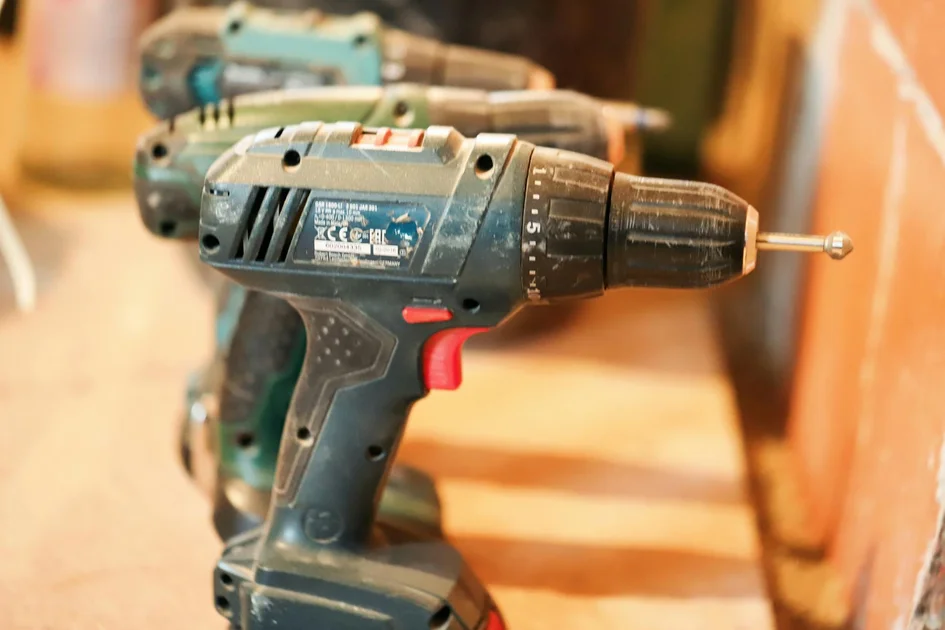
When it comes to the heart of most home renovation tasks, the power drill and its close cousin, the impact driver, are indispensable. For general drilling and driving screws into softer materials, a high-quality drill/driver with a brushless motor offers excellent control and battery efficiency. However, for heavier-duty tasks like fastening long lag bolts, working with dense hardwoods, or driving screws through multiple layers of material, an impact driver’s rotational impacts deliver significantly more torque without putting strain on your wrist. Brands like DeWalt and Milwaukee dominate this space, offering robust options that truly stand up to repeated use.
- Budget vs. Premium Tools: Performance & Durability Deep Dive
- Basic electrical appliance repair: Simple DIY fixes for broken cords, fuses, and switches
- Tool Comparison Guide for Popular Home Improvement Projects
- Advanced home repair tools: A complete guide to expert usage, safety, and techniques
- Energy-efficient home appliances: A homeowner's guide to lowering monthly utility bills
Beyond raw power, consider the ergonomics and weight distribution of the tool. A well-balanced drill reduces fatigue during extended use, a critical factor for larger projects. Look for comfortable, rubberized grips and easily accessible controls. Furthermore, the chuck quality on a drill is often overlooked; a durable, all-metal chuck will securely hold bits and withstand the rigors of heavy-duty applications far better than a plastic equivalent. Investing in a professional-grade model ensures precision and longevity, minimizing frustrating stripped screws or wobbling drill bits.
The Crucial Battery Ecosystem
The decision on which brand of cordless power tools to commit to often revolves around their battery ecosystem. Most major manufacturers, such as Makita, Bosch, and Ridgid, offer a single battery platform that powers a wide range of tools, from drills and saws to grinders and lights. Opting for a robust 18V or 20V system means you can interchange batteries, saving money on future tool purchases and ensuring you always have a charged pack ready. Consider the availability of higher ampere-hour (Ah) batteries for longer runtimes and fast chargers to minimize downtime on big projects in 2026 and beyond.
Saws for Precision and Efficiency
A quality saw is paramount for clean cuts and efficient material processing. For straight, rip, and cross-cuts on sheet goods or dimensional lumber, a professional-grade circular saw is your best friend. Look for models with a strong motor, a durable shoe, and a good blade brake. When precision is non-negotiable, particularly for trim work, crown molding, or intricate framing, a compound miter saw is an absolute game-changer. These tools, though larger, offer unparalleled accuracy and repeatability, making them a cornerstone of any serious DIYer’s workshop. Reputable brands often feature laser guides and easy bevel adjustments for enhanced accuracy.
For curved cuts, intricate shapes, or cutting holes in various materials, a robust jigsaw is indispensable. Prioritize models with orbital action, variable speed control, and a quick-change blade system for versatility. Furthermore, for those tackling larger projects like built-ins or cabinet making, a track saw provides incredibly precise, splinter-free cuts on sheet goods, rivaling the accuracy of a table saw in a more portable format. Investing in quality blades for all your saws is equally important; a premium blade transforms even an average saw into a more capable tool, delivering cleaner cuts and extending the life of your equipment.
Advanced Measurement Tools
The old adage “measure twice, cut once” holds true, and professional-grade measurement tools elevate this principle. While a good tape measure and spirit level are foundational, modern home upgrade projects benefit immensely from digital and laser alternatives. A high-quality laser distance measurer (LDM) can quickly and accurately calculate distances, areas, and even volumes, making it invaluable for material estimates and layout tasks. Brands like Leica and Bosch offer LDMs with impressive range and accuracy that far surpass traditional methods, saving considerable time and reducing errors.
For leveling and alignment tasks, a self-leveling cross-line laser level is a revelation. It projects bright, accurate horizontal and vertical lines onto your work surface, ideal for hanging shelves, installing tile, or aligning cabinets. This eliminates the guesswork and constant adjustments associated with bubble levels, ensuring perfectly plumb and level results every time. Even for simpler tasks, investing in a high-quality, durable tape measure with clear markings and a strong lock mechanism makes a surprising difference in daily use, preventing frustrating measurement discrepancies that can derail a project.
Durable and Ergonomic Hand Tools
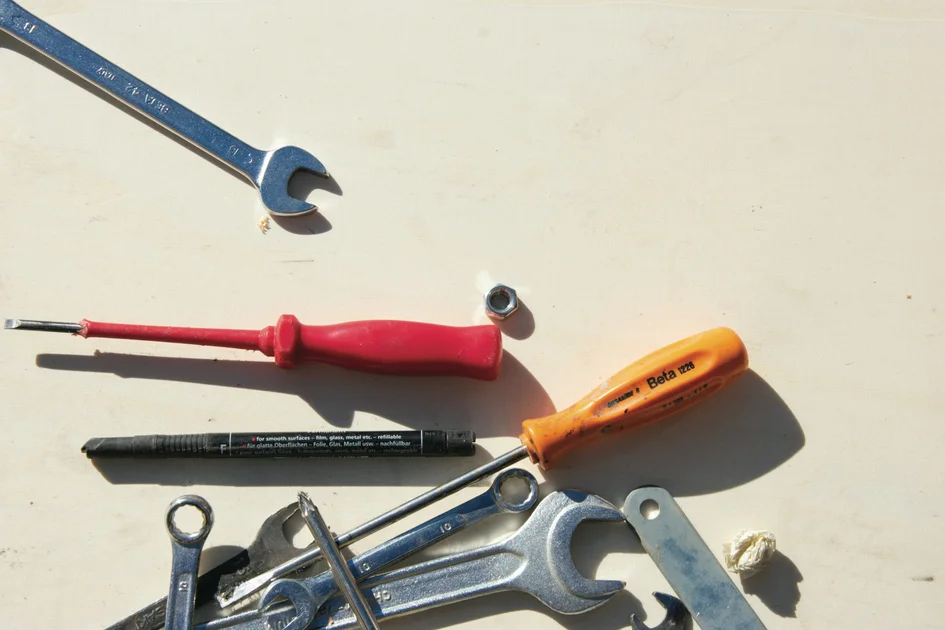
While power tools grab the headlines, the backbone of any successful home upgrade project lies in a collection of durable, ergonomic hand tools. A set of screwdrivers made from high-grade chrome vanadium steel with comfortable, non-slip handles prevents cam-out and reduces hand fatigue. Similarly, quality wrenches and pliers, particularly those with strong, precise jaws and comfortable grips, are essential for tightening, loosening, and manipulating various fasteners without stripping them or damaging your hands. Consider adjustable wrenches from Knipex or Crescent for their reliability and versatility.
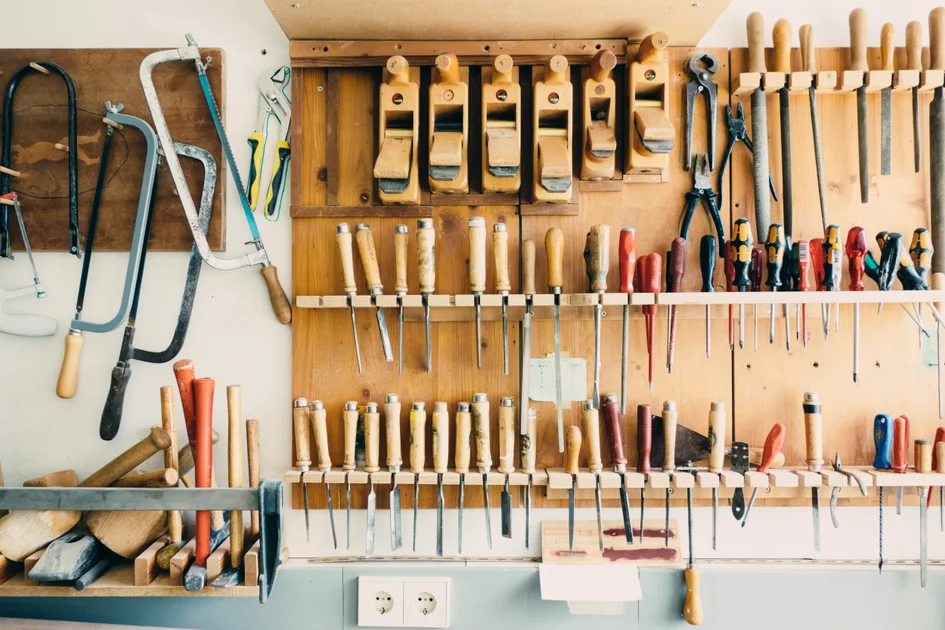
Beyond the basics, specialized hand tools can significantly streamline specific tasks. A professional-grade utility knife with a robust blade locking mechanism and comfortable grip is safer and more efficient than flimsy alternatives. A good set of chisels, properly sharpened, can make precise wood joinery or material removal tasks manageable. Even a sturdy pry bar or a quality hammer with good balance and shock absorption can prevent damage to materials and reduce strain on your body. These tools are often passed down through generations precisely because their quality ensures they last a lifetime, performing reliably project after project. You can find excellent reviews and comparisons of hand tools on sites like Pro Tool Reviews.
Investing in Essential Safety Gear
Perhaps the most critical, yet often overlooked, aspect of any home upgrade project is safety. Professional-grade safety gear isn’t just about compliance; it’s about protecting your long-term health and preventing immediate injury. High-quality ANSI-rated safety glasses or goggles are non-negotiable for any task involving power tools, flying debris, or chemicals. Similarly, effective hearing protection, whether earmuffs with a high Noise Reduction Rating (NRR) or custom-fit earplugs, is crucial to prevent permanent hearing damage from prolonged exposure to loud machinery.
Beyond eye and ear protection, consider investing in robust work gloves that offer protection against cuts, abrasions, and impacts, while still allowing for dexterity. For dusty work, such as sanding drywall or cutting wood, a P100 respirator is vital for protecting your lungs from fine particulate matter. Don’t forget proper footwear: steel-toe boots with good ankle support can prevent serious injuries from falling objects or dropped tools. Prioritizing safety gear from reputable manufacturers ensures it meets stringent protection standards, making your workspace safer and enabling you to work with confidence. For more on safety standards, check resources like OSHA’s official website.
Key Takeaways
- Investment, Not Expense: Professional-grade tools are a long-term investment that pays dividends in precision, durability, and project satisfaction, often saving money in the long run by avoiding rework and tool replacement.
- Ergonomics and Safety First: Prioritize tools with good ergonomics to reduce fatigue and always invest in high-quality safety gear to protect your health and prevent costly injuries.
- Battery Ecosystem is King: For cordless tools, commit to a single, robust battery platform to maximize efficiency, reduce costs, and ensure future compatibility with new tools you acquire in 2026 and beyond.
- The Right Tool for Every Task: While versatile tools are great, having specialized professional-grade tools for specific tasks (e.g., impact driver for fastening, miter saw for precision cuts) significantly improves quality and efficiency.
Frequently Asked Questions
Are professional tools really worth it for occasional DIY projects?
Absolutely. While the initial outlay might seem higher, professional-grade tools are built to last, perform more efficiently, and deliver superior results. This means less frustration, fewer project delays due to tool failure, and a higher quality finish for your home. Even for occasional use, the improved experience and longevity make them a worthwhile investment that outlasts cheaper alternatives.
What’s the most important tool to upgrade first if I’m on a budget?
If you’re upgrading on a budget, prioritize a high-quality cordless drill/driver and a versatile circular saw. These two tools form the backbone of most home improvement projects, and investing in professional-grade versions will immediately impact the efficiency and quality of your work across a wide range of tasks, from framing to furniture assembly.
Should I choose corded or cordless tools for home upgrades?
For most home upgrade projects, cordless tools offer unmatched convenience and portability, especially with advancements in battery technology providing comparable power to many corded options. However, for stationary tools like a table saw or a planer, or for tools requiring continuous, high-power output without interruption, corded versions might still be preferable for their consistent power delivery and lack of battery limitations.
How do I properly maintain my professional tools to ensure their longevity?
Proper maintenance is key. Regularly clean your tools, especially after dusty work, and ensure blades and bits are sharp. Check cords and batteries for damage. For power tools, consult the manufacturer’s manual for specific lubrication or service recommendations. Storing tools in a dry, protected environment also prevents rust and extends their lifespan, making them reliable for years to come.
Conclusion
Navigating the world of professional grade tools comparison for home upgrade projects might seem daunting, but it’s a journey well worth taking. By understanding the nuances of quality, ergonomics, and specific tool applications, you empower yourself to tackle any renovation with confidence and competence. Remember, the true cost of a tool isn’t just its price tag, but its impact on your time, effort, and the final quality of your work. Invest wisely, prioritize safety, and enjoy the satisfaction of a job well done with tools that are truly up to the task.