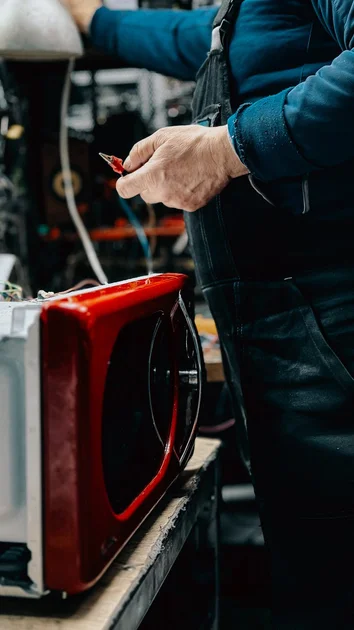
Mastering DIY appliance repair safety tips for beginners in 2026 requires a balanced approach between technical curiosity and extreme caution. As household machinery becomes increasingly sophisticated with integrated smart sensors and high-voltage power electronics, the threshold for amateur maintenance has evolved. Modern appliances, such as induction cooktops and connected washing machines, pose unique hazards that traditional mechanical devices did not. Understanding the fundamental principles of electrical isolation, mechanical stability, and chemical safety is no longer optional for the modern homeowner. By adopting a professional mindset and respecting the limits of your expertise, you can extend the lifecycle of your home equipment while maintaining a secure environment for your family. This guide explores the essential protocols to ensure that your repair journey remains productive, efficient, and, above all, safe.
Establishing a Professional Workspace
The foundation of any successful repair project is a clean, well-lit, and organized environment. Before attempting to open any appliance casing, you must ensure that your workbench is free of debris and that you have adequate illumination to see small components and wire connections clearly. In 2026, many DIY enthusiasts utilize portable LED work lights that offer high-CRI output, which is essential for identifying color-coded wiring accurately. A cluttered workspace is not just an inconvenience; it represents a significant safety risk where tools may slip, and small parts can be easily misplaced, leading to improper reassembly that could cause future electrical shorts or mechanical failures.
- Washing Machine Drum Malfunction: Diagnosis & Repair Solutions
- DIY Repair Tips for Fixing Everyday Home Equipment
- Product Buying Guide for Reliable Home Repair Equipment
- Equipment Performance Monitoring: Early Issue Detection for Proactive Maintenance
- How to Maintain Household Appliances for Better Performance
Furthermore, establishing a clear separation between your workspace and high-traffic areas of the home is vital, especially if you have children or pets. By cordoning off your repair zone, you prevent accidental interruptions that could lead to physical injury or damage to the appliance. Utilizing an anti-static mat is also highly recommended when working with modern circuit boards, as electrostatic discharge can destroy sensitive microprocessors instantly. Always keep a fire extinguisher rated for electrical fires nearby, just in case a component fails unexpectedly during testing. Professionalism in your setup reflects a mindset that prioritizes long-term safety over the convenience of a quick, haphazard fix.
The Critical Importance of De-energization

The most dangerous oversight a beginner can make is assuming an appliance is safe because it is turned off. Many devices, such as microwaves and large-capacity dryers, contain capacitors that can hold a lethal electrical charge long after the power cord has been disconnected from the wall. You must always use a non-contact voltage tester to verify that no current is flowing through the internal components before touching any internal circuitry. Developing a habit of verifying power status with a secondary tool serves as a critical fail-safe that protects you from life-threatening shocks. Never rely solely on the power switch or the control panel of the appliance to guarantee that the unit is truly de-energized.
For those working on gas-powered appliances, the safety requirements shift toward leak prevention and proper ventilation. Always shut off the gas supply at the source valve before starting any work, and use a dedicated gas leak detection solution to verify that no connections have been compromised during your repairs. If you detect any odor of gas, vacate the area immediately and contact a professional technician. Safety is non-negotiable, and the ability to recognize when a task exceeds your current toolset or knowledge base is the hallmark of a truly experienced DIY practitioner. Engaging with resources like the Consumer Product Safety Commission ensures that you are aware of current recalls and safety warnings for your specific models.
Comparison Table / Specifications Table
| Feature | Basic Repair Kit | Advanced Diagnostic Kit | Professional Setup |
|---|---|---|---|
| Voltage Testing | Non-contact pen | Digital Multimeter | Oscilloscope |
| Protective Gear | Safety glasses | Insulated gloves | Full PPE suit |
| ESD Protection | None | Wrist strap | Anti-static mat |
| Lighting | Flashlight | Headlamp | Overhead LED array |
| Tool Quality | Standard steel | Hardened chrome | VDE insulated |
| Knowledge Base | Manuals only | Service software | Diagnostic database |
Pros and Cons Analysis
The primary advantage of performing your own repairs is the significant cost savings compared to hiring professional service technicians, which can be expensive in the current economic landscape. Additionally, by taking the time to disassemble and troubleshoot, you gain a deep, intrinsic understanding of how your home systems function, which empowers you to perform routine maintenance more effectively. However, the drawbacks are equally notable. A botched repair can void your manufacturer’s warranty, potentially leading to much higher repair costs or the need for a full unit replacement if critical components are damaged during the process.
Another major disadvantage is the risk of personal injury or property damage. Electrical fires and water leaks caused by improper reassembly can lead to catastrophic consequences that far outweigh the initial savings. Furthermore, modern appliances are increasingly complex, often requiring proprietary software or specialized diagnostic tools to reset fault codes after a mechanical fix. Without access to these authorized tools, you may find yourself in a situation where the appliance is physically repaired but still non-functional. Balancing these pros and cons requires an honest assessment of your technical proficiency and the specific risks associated with the appliance in question.
Evaluating Your Skill Level
Before committing to a complex repair, ask yourself if you have the patience to document the disassembly process. Taking photographs of every stage of the teardown ensures that you can retrace your steps, which is invaluable when dealing with dozens of screws and wiring harnesses. If the repair requires soldering on delicate circuit boards or handling pressurized refrigerant lines, it is usually best to defer to certified professionals who possess the specialized equipment and environmental certifications required for these tasks. Recognizing your limitations is not a sign of failure but a core component of professional safety management.
Essential PPE and Tool Selection
Personal Protective Equipment (PPE) is your last line of defense when things go wrong during a repair. In 2026, we emphasize the use of high-quality, impact-resistant safety glasses that protect against debris, but also against potential chemical splashes or sparks. When working with older appliances that might contain fiberglass insulation, wearing a mask or respirator is essential to protect your respiratory system. Furthermore, wearing gloves that offer both grip and protection against sharp sheet metal edges is a simple yet effective way to prevent minor injuries that could lead to infections or prevent you from finishing the job.
Your choice of tools should also be professional grade. Using the correct size of screwdriver prevents stripping screw heads, which can turn a five-minute fix into a frustrating, hour-long ordeal. Insulated screwdrivers are highly recommended for any work involving electrical components to provide an extra layer of protection against accidental contact with live terminals. Investing in a high-quality digital multimeter will allow you to diagnose electrical issues with precision, moving beyond guesswork. By maintaining your tools in top condition, you reduce the likelihood of equipment failure during the repair process, which keeps your focus entirely on the appliance itself.
Managing Mechanical and Chemical Hazards
Beyond electrical risks, appliances present mechanical hazards such as heavy components, sharp edges, and pinch points. Large appliances like refrigerators and washing machines are heavy and can cause severe injury if they tip over. Always use proper lifting techniques and, if possible, enlist the help of a second person to stabilize the unit. Sharp metal edges inside the chassis of dishwashers and ovens are common; keep your movements slow and deliberate to avoid deep lacerations. Being aware of the physical weight of components helps you plan for a stable environment where you do not need to hold heavy parts while trying to fasten them.
Chemical hazards are often overlooked by beginners, particularly regarding refrigerants and cleaning agents used in appliance maintenance. If you are servicing a cooling system, understand that refrigerants can be hazardous if inhaled or if they come into contact with your skin. Modern appliances also use various lubricants and sealants that require proper handling and disposal. Always follow the manufacturer’s recommendations for material safety data sheets (MSDS) if you are unsure about the chemicals involved. Maintaining a clean workspace also involves the proper disposal of hazardous materials, ensuring that you do not contaminate your household environment or the local water supply.
Key Takeaways
- Always disconnect power and verify with a multimeter before touching components.
- Use organized trays or photograph the disassembly to keep track of hardware.
- Prioritize PPE including safety glasses, gloves, and appropriate footwear.
- Know your limits and consult professional services for complex electrical or gas work.
- Regularly check for manufacturer recalls and official service manuals online.
- Keep a fire extinguisher nearby and ensure your workspace is well-ventilated.
Frequently Asked Questions
Is it safe to repair appliances myself?
DIY repair is safe if you follow strict de-energization protocols and understand the specific risks of the appliance, though some tasks require professional certification.
What tools do I absolutely need?
A high-quality digital multimeter, a set of insulated screwdrivers, needle-nose pliers, and a reliable non-contact voltage tester are essential for beginners.
How do I handle internal capacitors?
Capacitors must be safely discharged using a specialized tool or a resistor, as they can retain a dangerous electrical charge even when power is disconnected.
Should I use online video tutorials?
Video tutorials are excellent supplements, but always verify the information with official service manuals provided by the appliance manufacturer.
What if I break something during the repair?
If you cause damage, stop immediately, document the issue, and contact a certified professional to assess whether a safe repair is still possible.
Conclusion
Achieving proficiency in DIY appliance repair in 2026 is a journey of continuous learning and rigorous safety adherence. By respecting the power and complexity of modern home machinery, you can effectively manage the risks associated with maintenance while reaping the rewards of a functional and well-maintained home. Remember that every repair is an opportunity to improve your skills, but that success is ultimately measured by your ability to complete tasks without compromising your safety or the integrity of the device. Stay informed, remain cautious, and prioritize the long-term well-being of your household above all else.