Implementing effective DIY repair tips for fixing everyday home equipment represents a significant shift toward sustainable household management in 2026. As modern appliances become increasingly integrated with smart technology and complex circuitry, the ability to perform basic diagnostics and component replacements is no longer just a hobbyist pursuit but a vital economic strategy. By understanding the mechanical and electrical foundations of your home assets, you extend their operational lifespan, reduce unnecessary landfill contributions, and maintain a high standard of living without the premium costs associated with professional service calls. This guide evaluates the methodologies required to tackle common malfunctions, ensuring you possess the technical confidence to navigate repairs safely and efficiently.
Strategic Assessment of Home Repairs
Before attempting any intervention, you must conduct a thorough diagnostic assessment to determine the root cause of the failure. In 2026, many appliances feature onboard diagnostic displays that provide error codes, which act as a roadmap for your repair process. Utilizing resources such as the iFixit platform allows you to access verified service manuals and component-level schematics that were previously restricted to authorized technicians. By isolating the problem to either a mechanical obstruction, a faulty sensor, or a blown thermal fuse, you transform a mysterious appliance failure into a manageable task. This methodical approach minimizes the risk of collateral damage to sensitive internal systems.
- How to Compare Tool Features Before Making a Purchase
- How to fix a refrigerator that won't cool: Step-by-step diagnostic and repair guide
- Product Buying Guide for Reliable Home Repair Equipment
- Smart Home Maintenance Strategies for Long Term Savings
- Common Appliance Failures: Troubleshoot & Fix Them Fast
Safety remains the primary concern during any technical maintenance procedure. Always ensure the device is fully disconnected from its power source, and if dealing with large capacitors, verify that residual charge has been safely discharged. Many modern home systems utilize modular components, which significantly simplifies the repair process compared to older soldered-in configurations. When you prioritize safety, you protect both the equipment and yourself, allowing for a methodical disassembly process. Documenting each step with photographs or keeping a magnetic tray for fasteners ensures that the reassembly process remains intuitive and accurate, preventing the common issue of having leftover parts after completion.
Cost & Pricing Breakdown

Understanding the financial implications of DIY versus professional repair is essential for modern homeowners. While professional services provide a warranty, they often charge high labor premiums that can exceed the value of the appliance itself. Below is a breakdown of typical costs associated with common household repairs in 2026, assuming the user handles the labor independently.
| Repair Category | DIY Component Cost | Pro Service Cost | Average Savings | Difficulty Level | Time Investment | Tool Requirement |
|---|---|---|---|---|---|---|
| Dishwasher Pump | $80 | $350 | $270 | Moderate | 90 Minutes | Basic Wrench Set |
| Refrigerator Thermistor | $25 | $200 | $175 | Easy | 30 Minutes | Screwdriver |
| Washing Machine Belt | $35 | $250 | $215 | Moderate | 60 Minutes | Socket Set |
| Dryer Thermal Fuse | $15 | $180 | $165 | Easy | 20 Minutes | Multimeter |
| Smart Oven Igniter | $60 | $300 | $240 | Hard | 120 Minutes | Specialized Bits |
| HVAC Capacitor | $40 | $280 | $240 | Hard | 45 Minutes | Safety Gloves |
Pros and Cons Analysis
The decision to engage in DIY home repair involves weighing the immediate financial benefits against the commitment of personal time and the inherent risks of equipment damage. The primary advantage is the substantial cost savings, as evidenced in the pricing table above, combined with the profound sense of accomplishment derived from mastering technical challenges. Furthermore, performing your own repairs provides an immediate resolution to household disruptions, bypassing the often-lengthy scheduling delays of third-party repair services. This autonomy is particularly valuable for essential equipment like refrigerators or climate control systems where downtime impacts quality of life.
Conversely, there are notable drawbacks that must be acknowledged by any amateur technician. The most significant risk is the potential for voiding manufacturer warranties if the repair process involves breaking tamper-evident seals or improper disassembly. Additionally, there is a risk of physical injury if safety protocols are ignored, particularly when handling heavy components or electrical currents. Lack of specialized experience can sometimes lead to incomplete repairs, which may necessitate a professional intervention anyway, potentially increasing the total cost if components were damaged during the botched attempt. Balancing these factors requires an honest evaluation of your mechanical aptitude and the complexity of the specific device.
Tooling Requirements for 2026
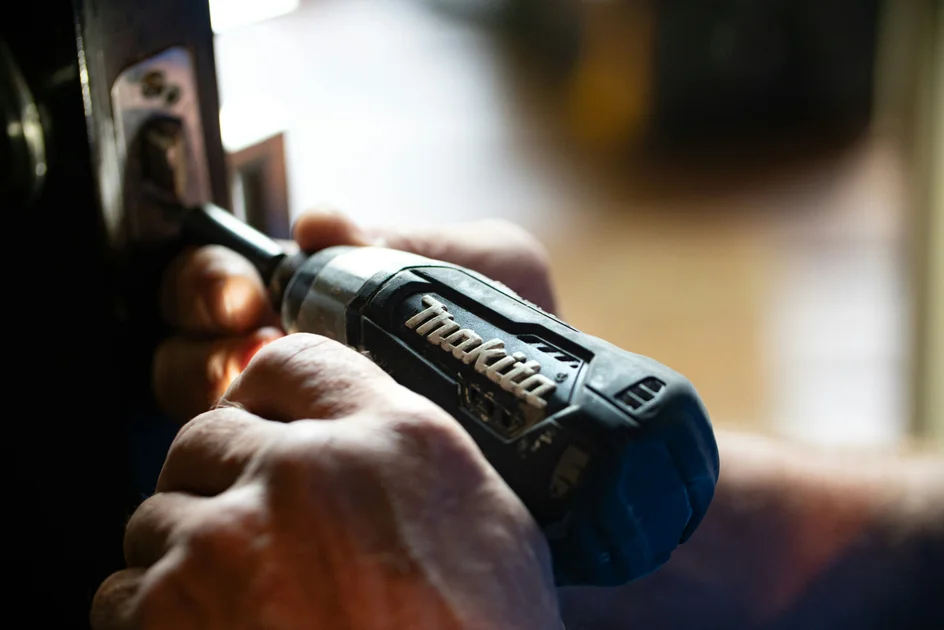
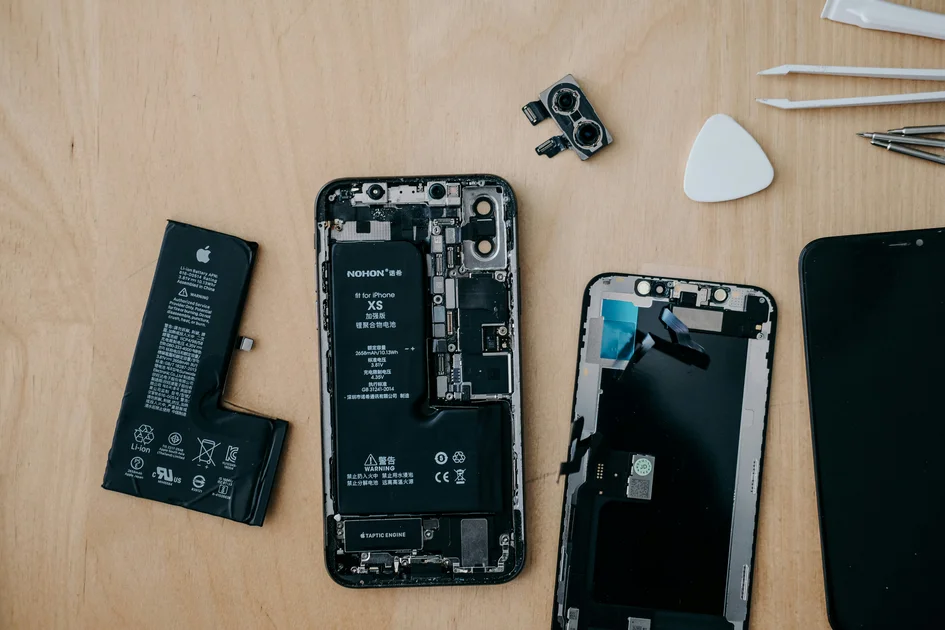
To perform modern repairs effectively, you must maintain a well-curated toolkit. In 2026, the standard toolkit has evolved to include precision drivers for electronics, non-marring pry tools, and digital multimeters capable of measuring advanced electrical resistance. Investing in high-quality tools is a one-time expense that pays dividends over the lifespan of your household equipment. Avoid the temptation to use improvised tools, as they frequently damage screw heads or delicate plastic casings, leading to a much more difficult repair process. A reliable set of magnetic nut drivers and a flexible shaft extension will prove invaluable when navigating the cramped interior spaces of modern appliances.
Essential Diagnostic Instrumentation
The digital multimeter is arguably the most critical tool in your arsenal. This device allows you to test for continuity, which is the primary method for identifying failed thermal fuses, heating elements, or faulty door switches. By learning to interpret the readings on a multimeter, you move from guesswork to precision engineering. Refer to the National Institute of Standards and Technology guidelines regarding safe electrical measurement practices to ensure your testing procedures align with industry safety standards. With this device, you can confirm whether a component has truly failed before ordering expensive replacement parts, saving both time and financial resources.
Advanced Troubleshooting Techniques
Moving beyond basic repairs requires a deeper understanding of how integrated circuits interact with mechanical actuators. Many 2026-era appliances use sensors that report back to a central control board. If your device is displaying a persistent error, it is often a communication failure between the sensor and the logic board rather than a mechanical breakdown. By checking the wiring harnesses for loose connections or corrosion, you can often resolve complex issues without replacing expensive modules. This level of troubleshooting requires patience and a systematic approach to verifying every point of failure in the signal chain, ensuring that you do not overlook a simple electrical connection error.
When dealing with persistent issues, consider the role of firmware updates in modern home equipment. Similar to computers, smart appliances often receive over-the-air updates that optimize performance or correct logic flaws. Before concluding that a hardware component is defective, verify that your appliance is running the latest software version provided by the manufacturer. This simple step can sometimes rectify operational quirks that would otherwise be misidentified as mechanical malfunctions. Always document the current software version before initiating any updates, providing a baseline for your troubleshooting efforts should the update process encounter any unexpected interruptions during the installation phase.
Key Takeaways
- Always prioritize safety by disconnecting all power sources before opening appliance casings.
- Use high-quality tools to prevent damage to sensitive screws and internal components.
- Leverage online schematic databases to understand the internal architecture of your equipment.
- Conduct a thorough diagnostic check before purchasing replacement parts to avoid unnecessary expenses.
- Document the disassembly process with photos to ensure accurate and complete reassembly.
- Verify if software updates can resolve operational issues before attempting physical hardware repairs.
Frequently Asked Questions
Is it safe to repair appliances with high-voltage capacitors?
While possible, it requires extreme caution and specific safety gear. You must discharge the capacitor using a resistor tool before touching any internal circuitry to avoid a dangerous electrical shock.
Will DIY repairs void my manufacturer warranty?
Often, yes. Check your specific warranty terms. In many cases, simply opening the chassis can void the protection, so weigh the remaining warranty period against the cost of the repair.
How do I identify the correct replacement part?
Use the model and serial number located on the manufacturer’s identification plate. Search these on official parts websites to ensure complete compatibility with your specific production batch.
What if I cannot find a repair manual for my device?
Look for manuals of similar models within the same brand family. Manufacturers often share internal architectures across different product tiers, allowing you to extrapolate the necessary repair steps.
When should I call a professional?
If the repair involves sealed gas systems, complex logic board soldering, or high-pressure water lines, it is usually safer and more cost-effective to hire a certified professional to handle the work.
Conclusion
Mastering DIY repair tips for home equipment is a rewarding endeavor that fosters self-sufficiency and financial prudence. By adopting a professional mindset, utilizing the right diagnostic tools, and adhering to strict safety protocols, you can maintain your household infrastructure with confidence. As we navigate the technological landscape of 2026, the ability to troubleshoot and resolve mechanical issues will continue to be a valuable skill set for any homeowner. Whether you are replacing a simple fuse or diagnosing a complex sensor failure, your commitment to learning and careful execution ensures that your home remains functional, efficient, and well-maintained for years to come.