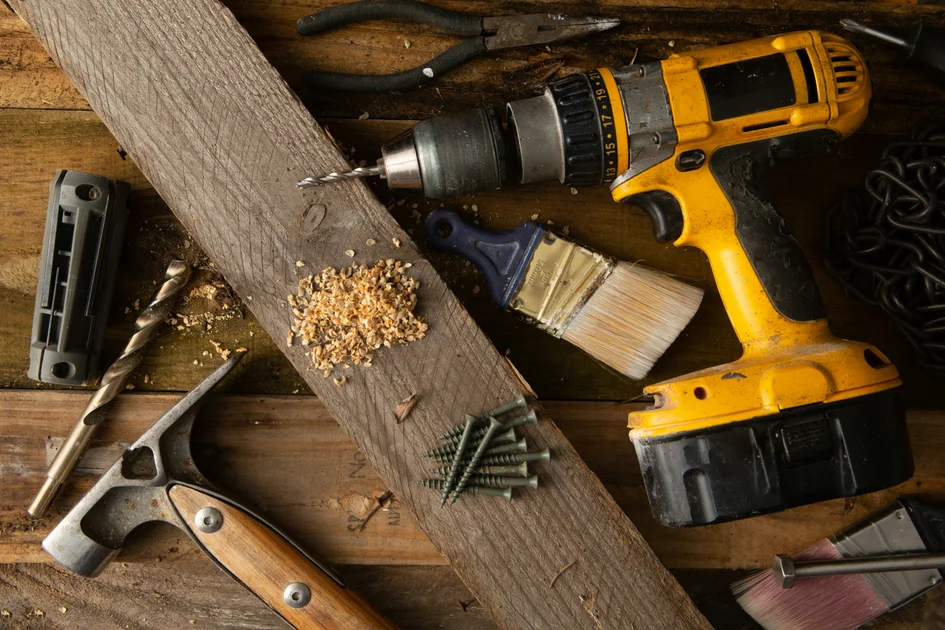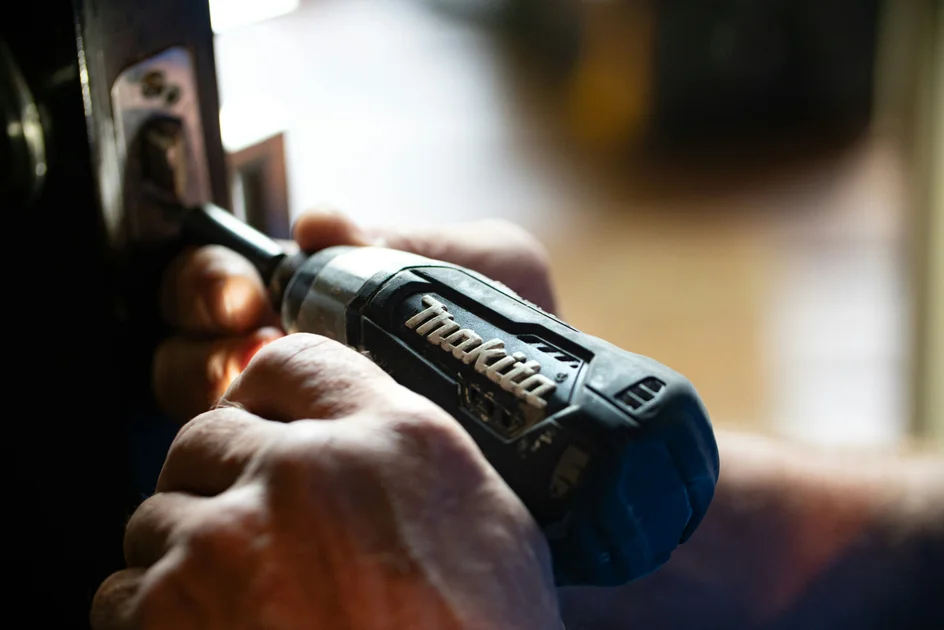
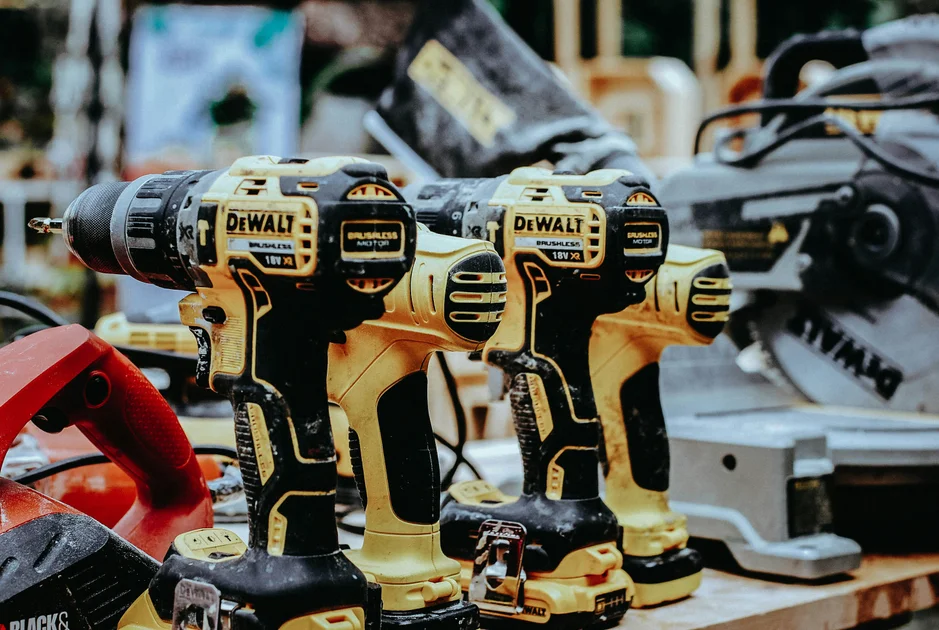
Selecting the optimal power tools for home use has become an increasingly complex decision for homeowners as we navigate through 2026. The debate between cordless versus corded power tools centers on the fundamental trade-off between absolute mobility and consistent, high-output performance. As a senior product analyst, I have evaluated the latest advancements in lithium-ion battery density and brushless motor efficiency to help you determine which ecosystem best serves your residential repair and renovation projects. While corded tools remain the gold standard for heavy-duty, continuous operation, the rapid evolution of cordless technology has effectively bridged the gap for most DIY enthusiasts and residential contractors. Understanding your specific workload requirements—whether it is occasional furniture assembly or intensive deck restoration—is the first step toward making a sound investment in your workshop infrastructure.
The Evolution of Tool Power Systems
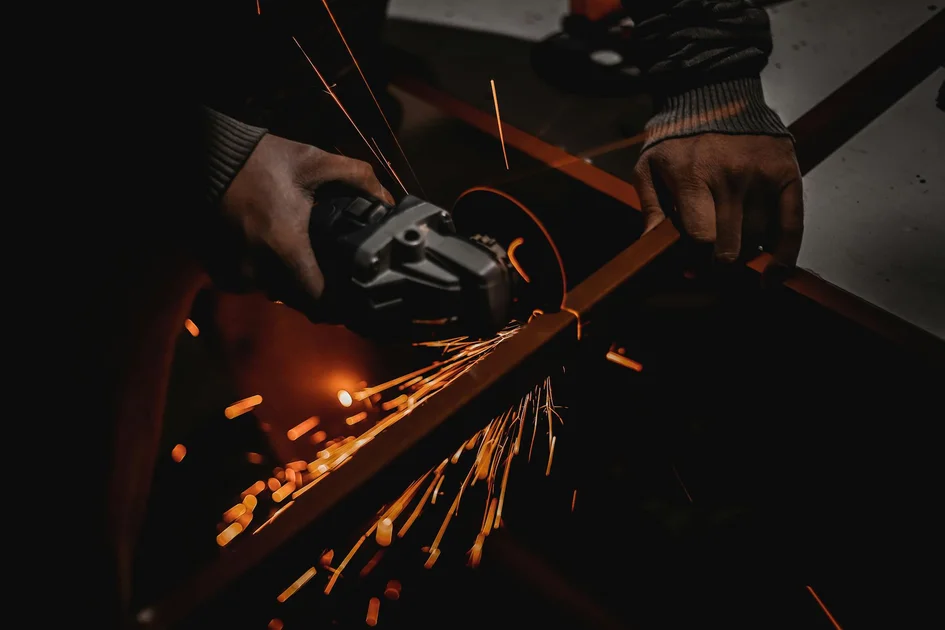
In 2026, the landscape of power tool manufacturing has shifted dramatically toward smart battery management systems. These integrated circuits regulate energy flow to prevent overheating and optimize motor torque, a feature that was once exclusive to industrial-grade equipment. Modern cordless platforms now offer cross-compatibility, allowing a single battery pack to power everything from an impact driver to a portable work light. This modularity reduces the long-term cost of ownership, as new tools can be purchased as bare units without the need for redundant charging hardware.
- Appliance Feature Comparison: Make Informed Buying Decisions
- Best Home Maintenance Practices to Prevent Major Repairs
- Basic electrical appliance repair: Simple DIY fixes for broken cords, fuses, and switches
- How to check hand tool quality standards to ensure lifetime durability and safety
- Dishwasher not draining? How to clear clogs and repair drainage pump faults
Conversely, corded tools have maintained their relevance by focusing on ergonomics and power-to-weight ratios that batteries simply cannot replicate. Because they draw power directly from the electrical grid, they are immune to the capacity degradation that affects rechargeable cells over time. For tasks that require sustained high torque, such as mixing heavy mortar or cutting dense hardwoods for extended periods, the traditional corded motor remains the reliable workhorse. Professionals and hobbyists alike appreciate the simplicity of a tool that never needs to be charged, ensuring that downtime is limited strictly to the physical limits of the operator.
Comparison Table / Specifications Table
| Feature | Cordless Tools | Corded Tools | Verdict |
|---|---|---|---|
| Power Consistency | Variable based on charge | Constant maximum output | Corded wins |
| Mobility | Unlimited range | Limited by cable length | Cordless wins |
| Weight | Heavier due to battery | Lighter and balanced | Corded wins |
| Maintenance | Battery replacement needed | Motor brushes occasionally | Corded wins |
| Total Cost | Higher initial investment | Lower unit cost | Corded wins |
| Versatility | High due to portability | Low due to tethering | Cordless wins |
Operational Efficiency and Workflow
When analyzing operational efficiency, the primary differentiator is the setup time required for any given task. Cordless tools excel in environments where agility is paramount; climbing a ladder or working in a crawlspace becomes significantly safer and faster without the constraint of an extension cord. In 2026, high-voltage platforms have reached a point where their output is virtually indistinguishable from their corded counterparts during standard drilling and fastening applications. This convenience factor often results in higher project completion rates for home users who may only have short windows of time to work on their home improvement goals.
However, corded tools offer a distinct advantage in high-demand settings where the tool must run for hours at a time. Using an orbital sander or a miter saw often involves long, repetitive motions where the weight of a heavy battery pack could induce fatigue. Furthermore, professional-grade corded tools are typically built with higher-tolerance components designed to withstand years of daily use. For the serious woodworker or the homeowner engaged in a major home renovation, having a dedicated station with corded tools eliminates the logistical headache of tracking state-of-charge levels for a fleet of batteries.
Quick Facts & Statistical Insights
Industry data from 2026 indicates that over 75 percent of residential tool sales are now attributed to cordless platforms, driven by advancements in battery chemistry. Expert analysis confirms that modern brushless motors in cordless tools are approximately 30 percent more energy-efficient than the brushed motors prevalent five years ago. Furthermore, research shows that corded tools maintain a 15-year average lifespan compared to the 7-10 year cycle for battery-dependent systems, making corded options the superior choice for long-term value retention in a static workshop environment.
Ergonomics and Safety Considerations
Ergonomics play a critical role in the selection of power tools, particularly for users with limited grip strength or those working in awkward positions. Corded tools are generally lighter because they do not require an onboard energy storage cell, which allows for better weight distribution and balance. This balance is crucial for precision tasks like finish carpentry, where the tool’s weight can dictate the quality of the cut or the finish of the material. By reducing the overall mass, manufacturers can create more refined handles and trigger mechanisms that improve user comfort over prolonged sessions.
Safety is another vital aspect of the corded versus cordless debate. Cordless tools eliminate the tripping hazard associated with power cables, which is a significant safety upgrade for busy residential workshops. However, corded tools provide an inherent safety feature by stopping immediately when unplugged, whereas some high-torque cordless tools require more complex electronic braking systems to achieve the same level of control. Choosing between these systems often comes down to the environment in which you are working; a well-lit, organized garage might be perfect for corded tools, while a chaotic remodeling site calls for the freedom of cordless.
Battery Longevity and Environmental Impact
The environmental impact of lithium-ion batteries is a growing concern in 2026, as the demand for rare earth metals continues to rise. While cordless tools are undeniably convenient, they necessitate the eventual disposal or recycling of heavy-duty battery packs. Homeowners who prioritize sustainability may find that keeping a corded tool for two decades is more environmentally responsible than cycling through multiple generations of battery packs. As battery recycling technology improves, this gap may narrow, but for the current year, the longevity of corded components remains a strong argument for the eco-conscious consumer.
Maintenance and Long-Term Value
Maintaining a tool collection requires an understanding of how components age and fail. Cordless tools are subject to the chemical degradation of their lithium-ion cells, which typically lose their capacity to hold a charge after several hundred cycles. While modern smart chargers extend this lifespan, the battery remains a consumable part that will eventually require replacement. In contrast, a well-maintained corded tool, particularly those with induction motors or high-quality brushed motors, can last for decades with only minimal service, such as occasional lubrication or brush replacement, if applicable.
From a financial perspective, investing in a corded tool is often the more economical choice if you are building a tool library on a budget. You can acquire higher-performance corded saws and drills for a fraction of the cost of their cordless equivalents, leaving more room in your budget for high-quality blades, bits, and safety equipment. For the homeowner who does not require mobility, the cost savings are substantial. You can find detailed information on motor maintenance at Tool Education Resources or consult manufacturer guides for specific service intervals.
Key Takeaways
- Cordless tools offer superior mobility and are ideal for quick, intermittent household tasks.
- Corded tools provide constant, uninterrupted power for heavy-duty, high-torque applications.
- Battery technology in 2026 has made cordless tools viable for almost all common DIY projects.
- Corded equipment typically offers a longer service life and better long-term value retention.
- Choosing between the two depends primarily on your workspace layout and the intensity of your projects.
- Ergonomics favor corded tools due to the lack of heavy battery packs, improving balance and control.
Frequently Asked Questions
Can I use cordless tools for heavy-duty construction?
Yes, in 2026, professional-grade cordless platforms provide sufficient torque for framing and heavy construction, provided you use high-capacity batteries and brushless motors.
How often do cordless batteries need replacing?
Under moderate use, a high-quality lithium-ion battery will typically last between three to five years before experiencing a noticeable decline in capacity.
Are corded tools safer than cordless tools?
Corded tools remove tripping hazards associated with cables, but they also require careful management of power cords to prevent entanglement or accidental cutting of the cord.
Do I need to own both types of tools?
Many homeowners find a hybrid approach best, using cordless tools for convenience and mobility while keeping a few high-power corded tools for heavy, stationary work.
Is it cheaper to start a cordless tool ecosystem?
Initial costs are higher for cordless tools due to battery and charger requirements, but costs even out over time as you purchase additional bare tools for the same platform.
Conclusion
The choice between cordless and corded power tools in 2026 is no longer about which technology is superior, but rather which is more appropriate for your specific lifestyle and project needs. If your priority is the freedom to work anywhere without searching for an outlet, the modern cordless ecosystem is an unparalleled asset for your home. However, if you are a dedicated craftsman who values long-term reliability and the consistent, high-performance output required for heavy-duty renovation, the traditional corded tool remains an essential, cost-effective pillar of a well-equipped workshop. By balancing these factors, you can build a collection that serves you for years to come.