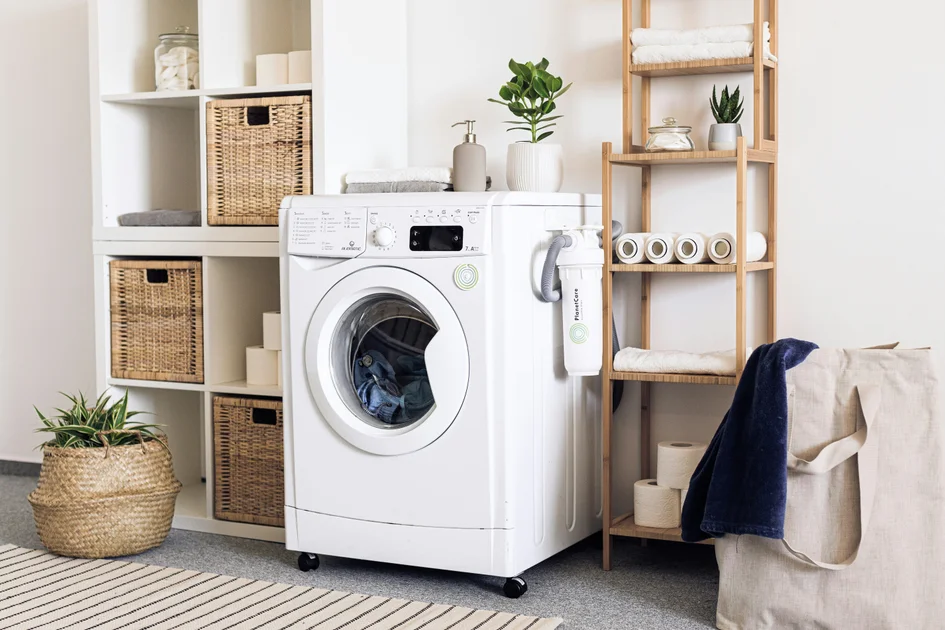
Washing machine troubleshooting tips for common issues serve as the first line of defense for homeowners seeking to extend the lifespan of their laundry appliances in 2026. As a senior product analyst, I have observed that most service calls stem from preventable operational errors rather than catastrophic mechanical failure. Understanding the internal diagnostics of your machine is not merely about saving on repair costs; it is about maintaining the efficiency and sanitation standards required for modern households. Whether you are dealing with persistent drainage failures, unbalanced loads, or electronic sensor errors, a methodical approach to identifying the root cause will save you significant time and frustration. This guide provides an authoritative overview of how to diagnose and resolve the most frequent laundry appliance malfunctions encountered by consumers today.
Diagnostic Procedures for Drainage Failures
The most frequent issue reported by users in 2026 involves the machine failing to drain water after a cycle, which often leads to error codes appearing on the digital display. This typically indicates an obstruction in the drain pump filter or a kinked discharge hose behind the unit. Before calling a technician, you must safely disconnect the power and carefully unscrew the access panel located at the bottom front of the machine. Most modern units feature a small drain tube that allows you to evacuate residual water into a shallow pan before fully removing the filter housing, which prevents messy spills on your laundry room floor.
- Microwave Not Heating Efficiently? Technical Repair & Troubleshooting Guide
- How to Troubleshoot Common Household Appliance Problems
- The ultimate preventative maintenance checklist to double your home appliance lifespan
- Product Buying Guide for Reliable Home Repair Equipment
- Appliance Feature Comparison: Make Informed Buying Decisions
Once you have cleared the water, inspect the pump impeller for debris such as coins, hairpins, or hardened lint that may have bypassed the drum filtration system. If the impeller does not spin freely when rotated manually, the pump motor may have seized, necessitating a replacement component. Furthermore, verify that the drain hose is not positioned higher than the manufacturer’s recommended height, as this creates backpressure that prevents the pump from effectively evacuating the water. Proper hose elevation is critical for the siphon effect to function correctly, ensuring that your laundry remains dry and free of stagnant water deposits.
Addressing Excessive Vibration and Noise
Excessive vibration during the spin cycle is a pervasive problem that often stems from an uneven floor surface or an improperly balanced laundry load. When a washing machine is not perfectly level, the internal suspension system undergoes undue stress, leading to premature wear of the shock absorbers and drum bearings. In 2026, we recommend using a professional-grade spirit level across both the front-to-back and side-to-side axes of the unit. Adjusting the leveling legs individually is essential, and ensure that each leg is locked firmly into position with the provided jam nuts to prevent creeping during high-speed rotations.
Advanced Suspension Diagnostics
If the machine remains noisy despite being level, the issue may reside within the internal suspension springs or the counterbalance weights. Over time, these components can become loose or damaged due to overloaded cycles that exceed the drum capacity. Always refer to your specific model’s weight limits, as overloading is the primary cause of suspension failure in high-efficiency front-load designs. If you hear a grinding metallic sound, this often signals that the tub bearings are failing and require immediate professional attention to avoid damage to the motor assembly.
Comparison Table / Specifications Table
| Feature | Mechanical Failure | Operational Error | Recommended Action |
|---|---|---|---|
| Drainage Delay | Pump Motor Burnout | Clogged Filter | Clean filter monthly |
| Excessive Vibration | Worn Shock Absorbers | Uneven Leveling | Adjust leveling legs |
| Cycle Interruption | Control Board Fault | Door Latch Sensor | Inspect latch alignment |
| Water Leakage | Tub Seal Perforation | Detergent Overload | Use HE detergent only |
| Electronic Error | Sensor Malfunction | Voltage Fluctuation | Hard power reset |
| Spin Failure | Drive Belt Snapped | Load Imbalance | Redistribute laundry |
Pros and Cons Analysis
When troubleshooting your appliance, there is a clear distinction between DIY repairs and professional interventions. The primary benefit of self-diagnosis is the immediate cost savings and the acquisition of technical knowledge that empowers the homeowner. Many minor issues, such as cleaning a filter or resetting a sensor, can be handled in under fifteen minutes without specialized tools. However, the drawbacks include the risk of voiding your manufacturer’s warranty if you attempt to disassemble internal mechanical components or tamper with the main control board, which is a common concern for owners of high-end, intelligent appliances.
Professional repair services offer the benefit of certified expertise and guaranteed parts, which is essential for complex electrical faults or internal bearing replacements. While these services come at a higher price point, they provide long-term peace of mind and safety compliance that is difficult to replicate through amateur repair attempts. Balancing the urgency of the repair with the complexity of the machine’s design is key. For those who prioritize safety and equipment longevity, consulting the official manufacturer manual before attempting any repair remains the most prudent path forward in 2026.
Electronic Control Board Resetting
Modern washing machines are essentially complex computers, and occasionally the firmware may encounter a glitch that causes the unit to hang during a cycle. A hard power reset is the standard first step for resolving mysterious control board errors. Simply unplug the unit from the wall outlet and leave it disconnected for at least ten minutes to allow the capacitors on the main circuit board to discharge completely. This process often clears temporary memory errors and allows the machine to recalibrate its sensors, including the weight-sensing systems that determine water levels and cycle duration.
If the control board continues to throw error codes after a hard reset, check the wiring harnesses leading to the door lock and the inlet valves. Often, vibrations can cause electrical connectors to loosen over time, resulting in intermittent signals that the control board interprets as hardware failures. Ensure that all visible connections are seated firmly and free of corrosion. If the error persists, it may indicate a failure of the main logic board, which usually requires a proprietary diagnostic tool provided by the manufacturer to identify which specific component is failing to report data correctly.
Maintaining Optimal Detergent Usage
One of the most overlooked aspects of washing machine maintenance is the impact of detergent over-usage on the internal components. In 2026, the shift toward highly concentrated HE detergents means that even a small amount of excess soap can lead to residue buildup, which attracts dirt and encourages mold growth within the outer tub. This residue eventually hardens, creating a barrier that interferes with the machine’s ability to sense water levels and spin efficiently. We recommend running a monthly maintenance cycle using specialized cleaner tablets to dissolve these hidden deposits and sanitize the internal plumbing.
Furthermore, ensure that you are not using standard detergents in machines designed for high-efficiency operation, as this creates an excessive amount of suds that can overflow into the electronics. This suds-lock condition often triggers an error code or leads to the machine prematurely ending the cycle to prevent water damage. By adhering to the manufacturer’s recommended dosage and strictly using HE-rated products, you significantly reduce the likelihood of sensor failure and extend the life of your pump and drainage system. Proper chemical management is the most effective way to prevent the vast majority of common laundry appliance issues.
Key Takeaways
- Perform monthly drain pump filter cleaning to prevent water stagnation.
- Ensure the washing machine is perfectly level to protect suspension components.
- Use only HE-rated detergents to avoid excessive suds and sensor errors.
- Conduct a hard power reset by unplugging the unit for ten minutes.
- Verify that drain hoses are positioned correctly to facilitate proper siphoning.
- Consult the manufacturer’s service manual before attempting internal mechanical repairs.
Frequently Asked Questions
Why does my washer display a door lock error?
This is usually caused by a misaligned door latch or a failed sensor. Check for any debris in the strike plate and ensure the door closes firmly.
How often should I clean the drain filter?
For average household usage, cleaning the drain pump filter once every month is sufficient to prevent blockages and maintain optimal drainage performance.
Is it safe to move a washing machine by myself?
Moving a washer requires extreme caution, as the internal tub assembly can shift. Always use shipping bolts to secure the drum before moving the unit.
What causes the smell of mold in my front-loader?
Mold growth is typically caused by moisture trapped in the door gasket. Always leave the door slightly ajar between cycles to allow the drum to dry.
Does a power surge damage my washing machine?
Yes, voltage fluctuations can disrupt the sensitive control board. Using a surge protector is a highly recommended investment for modern smart appliances.
Conclusion
Troubleshooting your washing machine in 2026 requires a blend of mechanical intuition and adherence to manufacturer guidelines. By systematically addressing common issues such as drainage obstructions, leveling requirements, and proper detergent usage, you can maintain your appliance’s performance and avoid costly service calls. Remember that while many fixes are straightforward, knowing when to request professional assistance is vital for safety and long-term equipment reliability. Consistent maintenance routines serve as the cornerstone of a functional laundry room, ensuring that your machine continues to operate with the efficiency and precision you expect from your household investments.