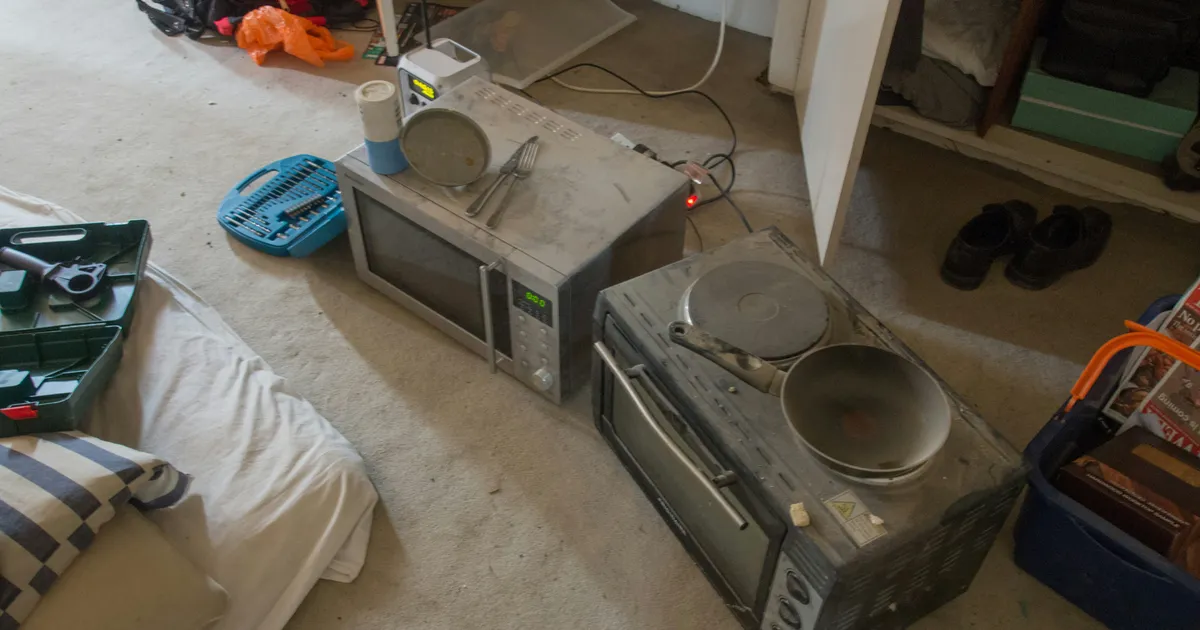
I remember a particular Sunday morning, brewing coffee and planning to quickly warm a croissant in the microwave. I pressed start, heard the familiar hum, but after a minute, the croissant was still stone cold. No heat. Just a spinning plate and a sense of growing frustration. This wasn’t a sudden death; it had been gradually losing its zest, struggling with what I now recognize as classic microwave heating efficiency issues. Many of us take these kitchen workhorses for granted until they start underperforming, turning a quick snack into a drawn-out waiting game. Understanding the technical underpinnings of why a microwave loses its heating prowess is crucial, not just for repair but for appreciating the complex interplay of components that make our lives easier.
The Unseen Culprits Behind Poor Performance
Often, the primary suspect behind a microwave’s diminishing heating power is the magnetron. This vacuum tube is the heart of the microwave, responsible for generating the electromagnetic waves that cook your food. Over time, like any electronic component subjected to high power and heat cycles, the magnetron can degrade. Its internal filament can weaken, or the emission capabilities can wane, leading to a significant reduction in microwave output. This isn’t usually a sudden failure but a slow, insidious decline where heating times increase, and food remains stubbornly lukewarm.
- Cordless vs Corded Power Tools Comparison for Home Use
- Practical DIY Repair Guide for Small Household Appliances
- Budget vs. premium power tools: A real-world durability and performance deep dive
- Cordless tool battery comparison: Which brands offer the longest life and optimal power?
- The ultimate beginner's guide to safely repairing small household appliances at home
Beyond the magnetron, the high-voltage diode and capacitor form a critical part of the power supply circuit, transforming standard household current into the incredibly high voltage (often 2000V or more) required to energize the magnetron. A failing diode might only allow current to flow in one direction effectively, or a dying capacitor might lose its ability to store and discharge energy efficiently. When either of these components falters, the magnetron receives insufficient power, directly impacting its ability to generate microwaves and resulting in pronounced microwave heating efficiency issues that frustrate users.
Diagnosing the Silent Killer – Waveguide & Arcing
The waveguide is a metallic conduit that channels the microwaves from the magnetron into the cooking cavity. It’s designed to be a clean, unobstructed path. However, food splatters, grease, and even minute metallic particles can accumulate inside or near its opening. Over time, these deposits can carbonize due to the intense microwave energy, creating a conductive path that causes arcing. This arcing manifests as crackling sounds, flashes of light, and sometimes a burning smell, often accompanied by dark scorch marks inside the microwave cavity, near the waveguide cover.
Arcing is not just a sign of inefficiency; it’s a serious safety concern and a clear indicator of significant damage. When arcing occurs, microwave energy is being wasted by jumping across the carbonized deposits rather than being directed into your food. This can further damage the waveguide, the magnetron, and even the microwave’s interior finish. Ignoring arcing accelerates wear and tear, exacerbating heating problems and potentially leading to component failure. Regular cleaning can mitigate this, but once arcing starts, careful inspection and often replacement of the waveguide cover are necessary.
The Subtle Signs of Waveguide Damage
Identifying waveguide damage often requires a keen eye and attention to detail. Beyond the obvious arcing, look for discoloration or blistering on the mica sheet (the waveguide cover) inside the microwave. Sometimes, there might be a faint, acrid smell even without visible arcing, indicating early stages of carbonization or overheating. If you notice food taking longer to heat, combined with any of these visual or olfactory clues, the waveguide should be among your first suspects. A pristine waveguide ensures maximum energy transfer, directly correlating with optimal heating efficiency.
Safety First: Door Interlocks and Control Board Glitches
The door interlock switches are a crucial safety mechanism, ensuring the microwave only operates when the door is securely closed. There are typically two or three such switches. If even one of these fails or becomes misaligned, the microwave’s safety circuit will prevent the magnetron from powering on, or it might allow partial operation without heating. While this prevents dangerous microwave leakage, it’s a common cause of a “dead” or non-heating microwave. Diagnosing these requires careful testing with a multimeter, often revealing an open circuit when it should be closed, or vice-versa.
Modern microwaves, especially those with advanced features available in 2026, rely heavily on sophisticated control boards. These electronic brains manage everything from cooking times and power levels to sensor functions. A faulty control board can manifest in myriad ways: intermittent heating, incorrect power output, buttons not responding, or even the microwave starting on its own. While less common than magnetron or diode failures, a failing control board can be one of the trickiest and most expensive issues to diagnose and resolve, often requiring professional intervention due to its complexity.
The Art of Component Testing and Replacement
For the technically inclined, diagnosing microwave heating efficiency issues often involves careful testing of individual components. A multimeter is indispensable for checking the high-voltage diode (for continuity in one direction), the capacitor (for shorts or opens after safely discharging it!), and the door interlock switches (for proper opening and closing). Always remember to unplug the unit and discharge the high-voltage capacitor using a properly insulated screwdriver before touching any internal components, as it can store a lethal charge even when unplugged. Resources like iFixit’s microwave repair guides offer invaluable step-by-step instructions for safe diagnostics.
Replacing a magnetron or high-voltage components is a more involved task and should ideally be performed by a qualified technician due to the inherent dangers of high voltage. While a new magnetron can restore a microwave to its former glory, the cost-benefit analysis is critical. If your microwave is an older model, the repair cost might approach or even exceed the price of a new, more energy-efficient unit. For those considering DIY, always consult the specific service manual for your model and prioritize safety above all else. Understanding these nuances helps make informed repair versus replacement decisions.
Future-Proofing Your Microwave: Maintenance in 2026
Preventative maintenance remains the most effective strategy against future microwave heating efficiency issues. Regular cleaning of the interior, especially around the waveguide cover, can prevent the build-up of food particles that lead to arcing. Avoid running the microwave empty, as this can cause the magnetron to overheat and degrade prematurely. Always use microwave-safe dishes; metal or metallic-edged plates can cause sparks and damage the interior. These simple habits can significantly extend the lifespan of your appliance and maintain its heating performance for years to come.
As we look towards 2026, microwave technology continues to evolve, with new models boasting inverter technology for more consistent power delivery and advanced sensors for optimal cooking. While these innovations promise enhanced efficiency and user experience, the fundamental principles of microwave operation and common failure points remain largely consistent. Investing in a quality appliance and adhering to proper usage guidelines will always be the best defense against premature failure and the frustrating experience of a microwave that just won’t heat. For more information on appliance safety, consider resources from the Consumer Product Safety Commission.
Key Takeaways
- Magnetron and Power Supply are Core: The magnetron, high-voltage diode, and capacitor are critical for microwave generation. Their degradation or failure is a leading cause of reduced heating efficiency, often presenting as slow, inconsistent heating.
- Waveguide Integrity is Crucial: The waveguide channels microwaves into the cavity. Food splatters and carbon build-up can lead to dangerous arcing, wasting energy, damaging components, and posing a fire risk. Regular cleaning is essential.
- Safety Mechanisms and Electronics Matter: Door interlock switches ensure safe operation; their failure prevents heating. Control boards manage complex functions, and their malfunction can cause erratic behavior or complete heating failure, requiring professional diagnosis.
- Prioritize Safety and Informed Decisions: Repairing microwaves involves high voltage and requires extreme caution. While some component testing is DIY-friendly, magnetron replacement or complex board issues are best left to qualified technicians. Evaluate repair costs against replacement value, especially for older units.
Frequently Asked Questions
Why is my microwave running but not heating food at all?
If your microwave runs but produces no heat, the most likely culprits are a faulty magnetron, a failed high-voltage diode or capacitor, or a defective door interlock switch. Less commonly, it could be a control board issue or a blown high-voltage fuse. Always prioritize safety and consider professional help for high-voltage component diagnosis.
How can I safely test microwave components myself?
Testing microwave components like the high-voltage capacitor and diode carries significant risk due to stored electrical charge. Always unplug the microwave and discharge the capacitor using a properly insulated tool before touching any internal parts. A multimeter can then be used to check component continuity and resistance, but if you’re unsure, it’s safer to consult a qualified technician.
Is it worth repairing an old microwave with heating issues, or should I buy a new one?
The decision to repair or replace depends on the microwave’s age, the cost of the repair, and the price of a new unit. If the repair cost, especially for a magnetron or control board, exceeds 50% of a new microwave’s price, replacement might be more economical, particularly with the improved energy efficiency of newer models available in 2026. For minor issues like a faulty door switch, repair is often cost-effective.
What are the signs of a failing magnetron?
A failing magnetron typically manifests as a gradual decrease in heating power, meaning food takes much longer to cook or doesn’t heat evenly. You might also hear unusual buzzing or humming noises, or notice a strange odor. Sometimes, the microwave might operate normally for a short period before losing heating ability, indicating intermittent magnetron failure.
Conclusion
Addressing microwave heating efficiency issues isn’t merely about fixing an appliance; it’s about restoring convenience and safety to your kitchen. From the intricate workings of the magnetron and high-voltage circuit to the critical role of door interlocks and waveguides, each component plays a vital part. By understanding these technical insights, you’re empowered to diagnose problems more effectively, make informed repair versus replacement decisions, and even extend the life of your microwave through mindful maintenance. Remember, when in doubt about high-voltage repairs, always defer to a professional to ensure your safety and the longevity of your appliance.