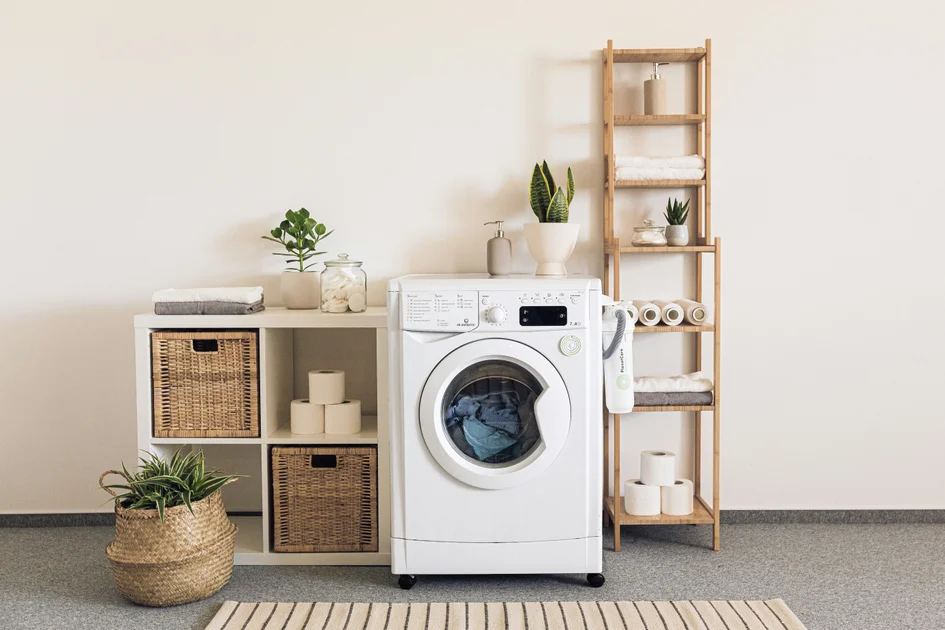
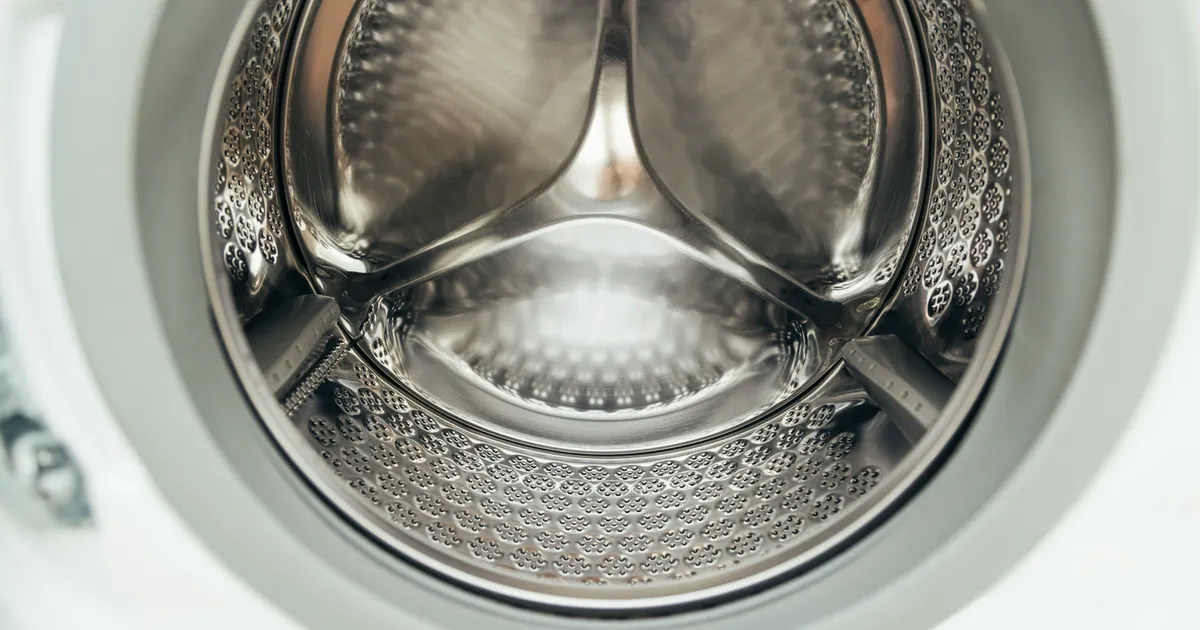
Ah, the familiar hum of a washing machine – a symphony of domesticity until, suddenly, it transforms into a cacophony of grinding, thumping, or even a complete silence where the spin cycle should be. I’ve been in this game for over a decade, and I can tell you that a washing machine drum malfunction is one of the most common, yet often misunderstood, household headaches. It’s not just about a noisy spin; it can be a harbinger of more significant issues, impacting everything from your laundry’s cleanliness to your machine’s longevity. Let’s dive deep into diagnosing these frustrating drum issues and, more importantly, equip you with the knowledge to correct them, saving you both time and money.
Decoding the Sounds of a Troubled Drum
A healthy washing machine operates with a relatively predictable noise profile. When that profile changes, particularly during the spin or agitation cycles, it’s your machine trying to tell you something. Grinding noises, for instance, often point directly to worn-out drum bearings. These are critical components that allow the drum to spin smoothly. Ignoring a persistent grinding can lead to more extensive damage, potentially necessitating a costly drum replacement rather than a simpler bearing repair.
- Dishwasher not draining? How to clear clogs and repair drainage pump faults
- Preventive Maintenance Framework: Extend Home Appliance Lifespan & Save Money
- Appliance Investment: Maximizing Long-Term Value & Cost Efficiency
- How to spot early signs of appliance failure before they turn into costly repairs
- Basic Electrical Appliance Repair: Easy Home DIY Fixes
Beyond grinding, listen for a high-pitched squealing, which frequently indicates a worn or loose drive belt, especially in older top-loading models. Thumping or banging, on the other hand, usually suggests an unbalanced load or issues with the suspension system. I’ve seen countless times how a single heavy item, like a wet blanket, can wreak havoc if not balanced properly, causing the drum to violently hit the sides of the machine. It’s a common misconception that all loud noises signify imminent doom; often, they’re just calls for a little attention.
When the Drum Refuses to Spin
Perhaps one of the most frustrating washing machine drum malfunctions is when the drum simply won’t spin, or spins weakly, leaving your clothes soaking wet. This symptom can stem from several different components, making accurate diagnosis crucial. The drive belt is a prime suspect; if it’s broken, frayed, or slipped off its pulleys, the motor’s power won’t transfer to the drum. A quick visual inspection, after safely unplugging the machine, can often reveal this issue.
However, if the belt appears intact, the problem could lie deeper. The motor itself might be failing, or its starting capacitor could be faulty, preventing it from generating enough torque to rotate the drum. Less commonly, but still possible, is a door lock mechanism malfunction. Modern machines are designed not to spin if the door isn’t securely latched for safety reasons. Always check that satisfying “click” when you close the door; sometimes, it’s the simplest oversight preventing operation.
The Role of the Drive Belt
The drive belt is the unsung hero connecting your washing machine’s motor to its drum. Over time, these belts can stretch, fray, or even snap due to constant use and the forces involved in spinning heavy loads. A worn belt might slip, causing intermittent spinning or a burning rubber smell. Checking the belt often involves removing the back panel of your machine, so ensure it’s completely unplugged and you understand the layout before proceeding. A healthy belt should be taut and free of cracks or significant wear. Replacing a belt is typically a manageable DIY task for the mechanically inclined.
Addressing Unbalanced Loads and Excessive Vibration
We’ve all been there: a washing machine that sounds like it’s trying to escape the laundry room during the spin cycle, violently shaking and walking across the floor. This is almost universally a sign of an unbalanced load. While it might seem trivial, allowing your machine to operate consistently in this state can put immense stress on its internal components, accelerating wear on bearings, suspension rods, and even the drum itself. Always aim to distribute clothes evenly, especially when washing bulky items.
Beyond load distribution, the machine’s leveling is paramount. If your washing machine isn’t perfectly level, even with a balanced load, it will vibrate excessively. Check the adjustable feet and use a spirit level to ensure all four corners are firmly on the ground and properly supported. In my experience, even a slight wobble can amplify during a high-speed spin cycle. For front-loaders, worn suspension rods or springs can also be the culprit, allowing the drum to move too freely within the chassis, leading to significant shaking. This is a fix many competent DIYers can tackle.
The Silent Saboteurs: Bearings and Spider Arms
When your machine starts sounding like a jet engine taking off during the spin cycle, but without the high-pitched squeal of a belt issue, your focus should pivot to the drum bearings. These critical components facilitate the smooth rotation of the inner drum. Over time, water ingress past the drum seal can corrode the bearings, leading to grating, rumbling, or grinding noises. This isn’t a problem that will fix itself; in fact, it will only worsen, potentially seizing the drum entirely. Replacement is often complex but necessary.
Another insidious issue, particularly prevalent in front-loading machines, is the corrosion of the “spider arm” or “spider bracket.” This metallic component connects the inner drum to the spin shaft. Because it’s constantly exposed to water, detergent, and fabric softener, it’s highly susceptible to rust and deterioration. When the spider arm weakens, it can cause the drum to wobble significantly, make knocking sounds, or even break off entirely, leading to catastrophic drum failure. Detecting this often requires removing the outer tub, a task usually best left to a professional, especially for machines purchased in 2026 or later, which often feature more integrated designs.
Beyond Mechanical: Electronic and Drainage Woes
While many drum malfunctions have mechanical roots, it’s important not to overlook the electronic brain of your washing machine. The control board, or PCB, dictates every function, from water intake to spin speed. A faulty control board can send incorrect signals, leading to erratic drum behavior, or no spin at all, even if all mechanical components are sound. Diagnosing a control board issue often involves ruling out all other possibilities and checking for error codes displayed on the machine’s panel, which you can then reference in your owner’s manual or an online service guide like Repair Clinic’s comprehensive resources.
Furthermore, drainage problems can indirectly cause drum issues. If the machine cannot effectively drain water, it will often refuse to proceed to the high-speed spin cycle, as a safety measure. This can mimic a drum malfunction. Check for clogged drain pumps, hoses, or even a blocked filter. A machine that senses residual water might simply stop, leaving you with a drum full of soggy clothes. For complex electronic faults or persistent drainage issues that defy simple fixes, consulting a qualified appliance technician is always a wise investment to avoid further complications and ensure your machine is ready for 2026’s laundry demands.
Key Takeaways
- Listen Actively: Pay close attention to unusual noises like grinding, squealing, or thumping, as they are crucial indicators of specific drum malfunctions, from worn bearings to a failing drive belt.
- Prioritize Balance and Leveling: Many drum issues, particularly excessive vibration and walking, stem from unbalanced loads or an unleveled machine. Correcting these simple factors can prevent significant wear and tear on internal components.
- Don’t Ignore Small Issues: What seems like a minor noise or intermittent spin today can quickly escalate into a major, costly repair if left unaddressed. Early diagnosis and intervention are key to extending your washing machine’s lifespan.
- Know When to Call a Pro: While many diagnostic steps and minor repairs are DIY-friendly, complex issues involving motor replacement, control board faults, or spider arm corrosion are often best handled by experienced technicians to ensure safety and proper repair.
Frequently Asked Questions
Why is my washing machine drum making a loud grinding noise?
A loud grinding noise during the spin cycle is a classic symptom of worn-out drum bearings. These bearings allow the drum to rotate smoothly, and when they fail, friction creates a harsh grinding sound. Addressing this promptly is crucial to prevent further damage to the drum and shaft.
What should I do if my washing machine drum isn’t spinning at all?
First, check that the machine is plugged in and the door is securely latched. If these are fine, inspect the drive belt for breakage or slippage. If the belt is okay, the issue could be with the motor, its capacitor, or even a faulty control board. For anything beyond a simple belt replacement, professional diagnosis is recommended.
Can an unbalanced load truly damage my washing machine drum?
Yes, absolutely. While occasional imbalances are common, consistently running your machine with an unbalanced load puts immense strain on the suspension system, drum bearings, and even the frame of the machine. Over time, this can lead to premature wear, component failure, and costly repairs.
How can I prevent common drum malfunctions in my washing machine?
Regular maintenance is key. Always load your machine evenly, avoid overloading, and check for small items that might get caught. Periodically clean the detergent dispenser and drain filter. For machines with adjustable feet, ensure it remains perfectly level. These simple steps can significantly prolong the life of your drum and its associated components well into 2026.
Conclusion
Navigating a washing machine drum malfunction can feel daunting, but with a systematic approach to diagnosis, many issues are surprisingly manageable. From decoding the language of strange noises to understanding the critical role of components like bearings and drive belts, you’re now better equipped to identify and address problems. Remember, timely intervention is your best friend when it comes to appliance longevity. Don’t let a minor wobble turn into a major headache; empower yourself with knowledge, and your laundry routine will thank you for years to come.