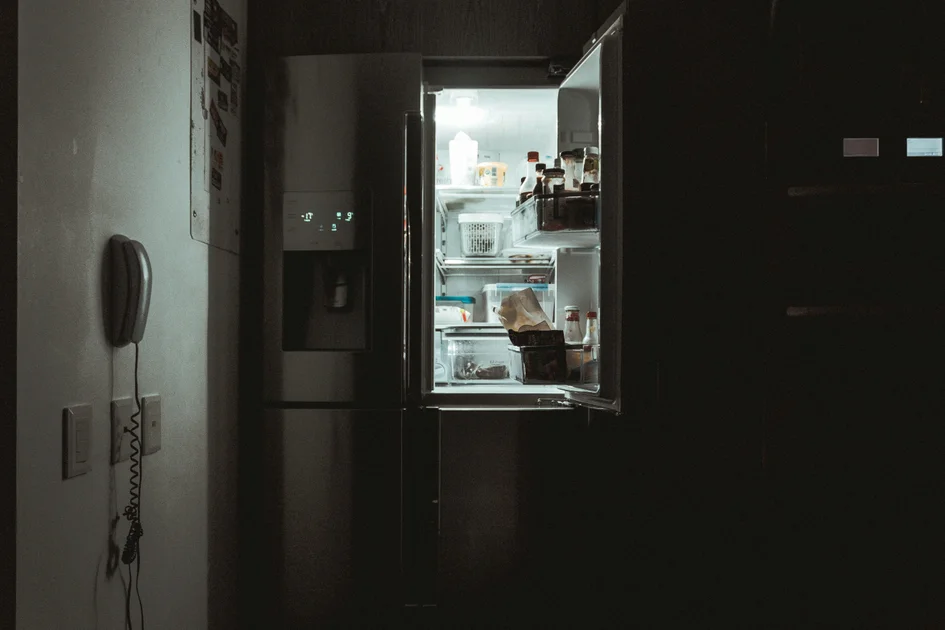

I still remember the heart-sinking feeling the first time I opened my refrigerator only to be greeted by lukewarm air, not the crisp chill I expected. It was more than just an inconvenience; it was a sudden plunge into the complex world of refrigeration mechanics. This personal experience fueled my deep dive into understanding what goes wrong and, more importantly, how to fix it right. This article isn’t just a guide; it’s a testament to the essential knowledge every homeowner or aspiring technician needs when confronting refrigerator cooling system failure analysis and repair standards, ensuring not only a functioning appliance but also adherence to safety and environmental best practices.
Common Refrigeration System Failures
The heart of any refrigerator is its sealed cooling system, a marvel of engineering that can unfortunately develop a myriad of issues. Often, the compressor is the first suspect when cooling fails entirely. It’s the workhorse, pressurizing the refrigerant, and when it goes, it typically means a complete system shutdown. Other culprits include clogged condenser coils, which prevent heat dissipation, forcing the compressor to overwork and eventually fail, or a faulty evaporator fan, which stops circulating cold air within the compartment, leading to warm spots.
- Troubleshooting Home Appliances: Common Faults & Simple Solutions
- How to Maintain Household Appliances for Better Performance
- Appliance Feature Comparison: Make Informed Buying Decisions
- Microwave Not Heating Efficiently? Technical Repair & Troubleshooting Guide
- How to Choose Home Appliances: A Performance Metrics Framework
Beyond these major components, less obvious but equally critical failures can occur. A refrigerant leak, for instance, silently depletes the system’s lifeblood, leading to gradual cooling loss. This often presents as a unit that runs constantly but never quite gets cold enough. Additionally, a malfunctioning defrost heater or thermostat can cause ice buildup on the evaporator coils, blocking airflow and mimicking a compressor failure. Understanding these distinct symptoms is the first step in accurate diagnosis, preventing costly misrepairs.
Advanced Diagnostic Techniques
Effective troubleshooting transcends simply guessing; it involves a systematic approach, often starting with basic visual inspections and progressing to specialized tools. For instance, a simple listen can tell you a lot – a compressor humming but no cooling suggests a sealed system issue, while silence points to electrical problems. Using a multimeter to check continuity and resistance on components like the compressor, fans, and thermistors can quickly isolate electrical faults, narrowing down the possibilities significantly before opening the sealed system.
Understanding Refrigerant Pressure
When delving deeper into a sealed system, a manifold gauge set becomes indispensable. This tool allows technicians to measure the high and low-side pressures of the refrigerant, providing a critical snapshot of the system’s health. Abnormal readings, such as excessively low suction pressure or high discharge pressure, can indicate issues like refrigerant leaks, blockages in the capillary tube, or a failing compressor. Accurate pressure readings are paramount for proper refrigerator cooling system failure analysis and repair standards, guiding technicians to the root cause without unnecessary component replacement.
Beyond electrical and pressure checks, thermal imaging cameras can offer a non-invasive way to identify hot spots indicative of compressor overheating or uneven cooling patterns that suggest refrigerant flow issues. Even a simple thermometer placed inside the refrigerator and freezer compartments over several hours can provide crucial data about temperature fluctuations, helping to differentiate between a complete failure and a less severe performance degradation. These advanced methods ensure a precise diagnosis, saving time and resources.
Adhering to Repair Standards and Safety
Repairing a refrigerator’s cooling system is not merely about replacing parts; it’s about adhering to stringent safety protocols and industry best practices. Handling refrigerants, especially older R-22 or newer HFCs, requires proper certification and specialized equipment to prevent environmental damage and personal injury. Venting refrigerants into the atmosphere is illegal and harmful. Furthermore, working with high-voltage electrical components demands caution, always ensuring the appliance is unplugged before commencing any internal work to prevent electrocution.
When replacing components like compressors or evaporators, using OEM (Original Equipment Manufacturer) or high-quality aftermarket parts that meet specific performance ratings is crucial for longevity and efficiency. Improper repairs, such as poor brazing techniques on refrigerant lines or incorrect charging of the system, can lead to premature failure and potentially dangerous conditions. The goal isn’t just to make the unit run again, but to restore it to its optimal performance and safety standards, ensuring it operates reliably well into 2026 and beyond.
Preventative Maintenance for Longevity
Proactive maintenance is the cornerstone of extending a refrigerator’s lifespan and preventing unexpected cooling system failures. Regularly cleaning the condenser coils, typically located at the back or underneath the unit, is perhaps the most critical task. Dust and debris accumulate on these coils, acting as an insulating blanket that prevents heat from escaping, forcing the compressor to work harder and consume more energy, ultimately shortening its life. A simple vacuuming or brushing every 6-12 months can make a significant difference.
Beyond coil cleaning, checking door seals for airtightness is vital. Worn or damaged gaskets allow warm air to seep into the compartments, making the compressor run more frequently to maintain temperature, leading to increased energy consumption and premature wear. A dollar bill test – closing the door on a dollar bill – can quickly reveal compromised seals. Regular checks of the defrost drain pan and tube also prevent blockages that can lead to water leaks or excessive ice buildup, safeguarding the system for years to come, potentially through 2026 and beyond.
DIY vs. Professional Repair
Deciding whether to tackle a refrigerator repair yourself or call a professional hinges on the complexity of the issue and your comfort level with electrical and sealed system work. Simple fixes like cleaning condenser coils, replacing a faulty door gasket, or even swapping out a malfunctioning light bulb are well within the scope of most DIY enthusiasts. There are plenty of online resources and instructional videos to guide you through these basic tasks, saving you money on service calls.
However, when the issue points to the sealed cooling system – involving refrigerant leaks, compressor failure, or evaporator coil replacement – it’s almost always prudent to call a certified technician. These repairs require specialized tools, EPA certification for refrigerant handling, and a deep understanding of thermodynamics. Attempting complex sealed system repairs without the proper expertise can be dangerous, environmentally irresponsible, and often leads to further damage, making the overall repair even more expensive. Knowing your limits is key to successful and safe appliance maintenance.
Key Takeaways
- Systematic Diagnosis is Crucial: Don’t guess; use a methodical approach starting with visual checks and progressing to electrical and pressure diagnostics. A multimeter and manifold gauge set are invaluable for accurate identification of component failures or refrigerant issues.
- Safety and Standards are Paramount: Always prioritize safety by unplugging the unit and understanding the risks of working with refrigerants and high voltage. Adhering to EPA guidelines for refrigerant handling and using quality replacement parts are non-negotiable for effective and responsible repairs.
- Preventative Maintenance Extends Lifespan: Regular cleaning of condenser coils and checking door seals are simple yet highly effective tasks that prevent common failures, reduce energy consumption, and significantly prolong the life of your refrigerator.
- Know When to Call a Pro: While basic repairs are DIY-friendly, sealed system issues involving refrigerant or major component replacements demand the expertise of a certified technician due to specialized tools, safety protocols, and environmental regulations.
Frequently Asked Questions
What are the most common signs of a failing refrigerator cooling system?
The most common signs include the refrigerator running constantly but not getting cold, excessive frost buildup in the freezer (often indicating a defrost system issue), unusual noises like clicking or buzzing, or visible water leaks near the unit. Any significant deviation from normal operation warrants investigation.
How often should I clean my refrigerator’s condenser coils?
For optimal performance and to prevent cooling system failure, you should aim to clean your refrigerator’s condenser coils at least once every 6-12 months. If you have pets that shed a lot or live in a dusty environment, more frequent cleaning, perhaps every 3-4 months, is advisable.
Is it expensive to repair a refrigerator’s compressor?
Compressor replacement is one of the most expensive refrigerator repairs, often costing several hundred dollars, sometimes approaching the price of a new entry-level refrigerator. The cost includes the part itself, specialized labor for sealed system work, and refrigerant recharging, making it a decision point for many owners about repair versus replacement.
Can a refrigerator cooling system be recharged with refrigerant?
A refrigerator’s cooling system is a sealed unit, meaning it should never lose refrigerant under normal operation. If it requires recharging, it indicates a leak in the system. While it can be recharged by a certified technician after the leak is found and repaired, simply adding refrigerant without fixing the leak is a temporary and often ineffective solution.
Conclusion
Navigating the intricacies of refrigerator cooling system failure analysis and repair standards can feel daunting, but with the right knowledge and a systematic approach, it’s entirely manageable. Whether you’re a homeowner looking to extend your appliance’s life or an aspiring technician, understanding the common failure points, employing precise diagnostic techniques, and adhering to strict repair standards are paramount. Remember, thoughtful maintenance and knowing when to seek professional help not only save money but also contribute to a more sustainable household, ensuring your fridge keeps its cool for years to come.