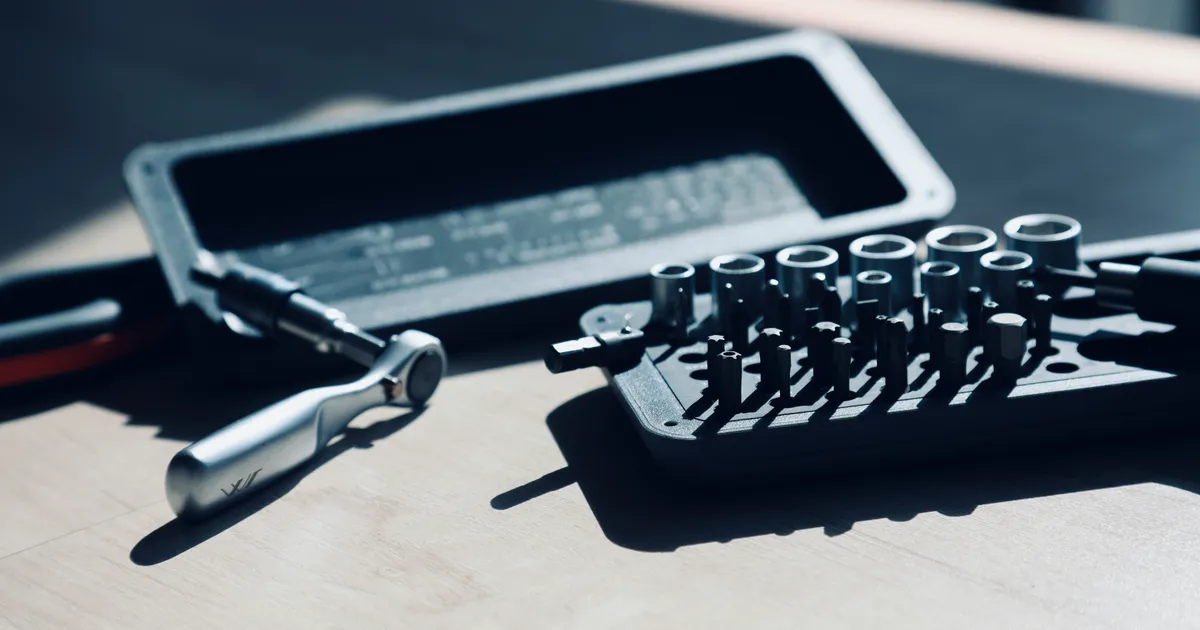
I remember a job site years ago, battling a stubborn bolt with a budget wrench. It slipped, rounded the fastener, and then the wrench itself twisted, rendering it useless. That frustrating moment hammered home a critical lesson that still shapes my approach to every project: the true cost and value behind budget vs premium tool performance analysis and durability insights. It’s a debate that extends far beyond the initial purchase price, delving deep into material science, ergonomic design, and the sheer frustration of tools that fail when you need them most. As someone who’s spent over a decade in the trenches, I’ve seen firsthand how a seemingly small saving can lead to enormous headaches, project delays, and even safety hazards down the line. Let’s peel back the layers and discover what truly separates the contenders in your toolbox.
Initial Cost vs. Enduring Value
The allure of a budget tool is undeniable, especially when you’re just starting out or facing a one-off project. That lower price tag whispers promises of immediate savings, making it an attractive option for many. It feels good to save a few dollars upfront, and for very light, infrequent use, a budget option might just get the job done. However, this immediate gratification often overlooks the broader financial landscape, failing to account for replacement costs, repair expenses, and the invaluable cost of lost time due to tool failure. This short-sighted view can quickly erode any perceived initial savings, transforming a bargain into a hidden liability.
- Basic Electrical Appliance Repair: Easy Home DIY Fixes
- How to choose the right tools for your next major home renovation project
- The ultimate preventative maintenance checklist to double your home appliance lifespan
- Cordless vs Corded Power Tools Comparison for Home Use
- Appliance Troubleshooting Made Easy: A Step-by-Step Guide for Beginners
Premium tools, while demanding a significantly higher initial investment, are typically engineered for longevity and consistent performance. This isn’t just about brand prestige; it’s about superior materials, meticulous manufacturing processes, and rigorous quality control. Professionals understand that a tool that performs flawlessly for years, withstands daily abuse, and rarely needs replacement offers a far greater return on investment. The higher price tag is a down payment on reliability, efficiency, and ultimately, peace of mind, proving its worth over countless tasks and projects, making it a wise investment for 2026 and beyond.
Performance: Beyond the Spec Sheet
When you compare budget and premium tools on paper, the specifications can sometimes look surprisingly similar. Both might list similar power outputs, torque ratings, or material compositions. However, these numbers often fail to capture the nuances of real-world performance. Budget tools frequently struggle to maintain advertised performance under sustained load, leading to inconsistent results, overheating, and premature wear. Their motors might bog down, batteries might drain rapidly, and cutting edges might dull far too quickly, directly impacting the quality and efficiency of your work.
Premium tools, on the other hand, are designed to deliver consistent, peak performance, even when pushed to their limits. Their components are often over-engineered, using higher-grade alloys, more efficient motors, and advanced battery technology that resists performance degradation. This translates into smoother operation, greater precision, and the ability to tackle demanding tasks without hesitation. The difference becomes glaringly obvious during extended use or complex projects where reliability isn’t just a convenience, but a necessity for achieving professional-grade outcomes and maintaining project timelines effectively.
Precision and User Experience
Beyond raw power, the tactile experience and precision a tool offers significantly impact the final result and user comfort. Premium tools often feature superior ergonomics, balanced designs, and finely tuned mechanisms that reduce fatigue and enhance accuracy. Think about the smooth glide of a high-quality saw, the crisp click of a precision torque wrench, or the vibration dampening in a professional-grade hammer drill. These subtle refinements contribute immensely to a better user experience, allowing for more controlled movements and a higher degree of craftsmanship in every task you undertake.
Durability: Built to Last or Built to Break?
The lifespan of a tool is perhaps the most defining characteristic in the budget vs premium tool performance analysis and durability insights debate. Budget tools are often constructed with cost-saving measures at their core, utilizing cheaper plastics, softer metals, and less robust internal components. This often leads to a shorter operational life, with parts breaking, housings cracking, or motors burning out after relatively light use. It’s a classic case of planned obsolescence, where the tool is designed to be replaced rather than repaired, creating more waste and costing you more in the long run.
Premium tools, conversely, are built with an emphasis on enduring durability. Manufacturers invest in high-strength steels, impact-resistant composites, and precision-machined internal gears. They often undergo rigorous testing to ensure they can withstand harsh working conditions, accidental drops, and continuous heavy use. This robust construction means a premium tool isn’t just a purchase; it’s a long-term asset that reliably serves you for years, often decades, proving its exceptional value and resilience. Visit Tooling University’s guide to materials engineering for deeper insights into tool longevity.
Maintenance, Repairability, and Warranty
When a budget tool inevitably fails, finding replacement parts or even a repair service can be a futile exercise. Many budget manufacturers don’t offer spare parts, and the cost of repairing them often exceeds their original purchase price, pushing you towards buying a new one. Warranties for budget tools are typically short-term, limited, and come with numerous exclusions, leaving you unsupported when issues arise. This lack of after-sales support is a significant hidden cost that can quickly add up, turning a cheap purchase into a frustrating and expensive cycle of replacement.
Premium tool brands distinguish themselves with comprehensive support systems. They usually offer extensive warranties, readily available spare parts, and authorized service centers staffed by skilled technicians. This commitment to repairability extends the life of the tool significantly, making it a sustainable choice. Knowing you can easily get a tool serviced or find a specific part provides immense confidence and reinforces the long-term value proposition. For example, reputable brands often have dedicated customer service portals and extensive networks for support, ensuring your investment is protected for years to come, well into 2026 and beyond. This commitment to quality is evident in resources like The Power Tool Institute’s tool care guidelines, which emphasize maintenance and longevity.
The Hidden Costs of Going Cheap
Beyond the direct financial implications, choosing budget tools can introduce a cascade of hidden costs that impact productivity, project quality, and even safety. A tool that constantly malfunctions or performs poorly can lead to significant delays, requiring extra time for troubleshooting, redoing shoddy work, or waiting for replacements. This loss of efficiency directly translates to lost income or extended project timelines, which can be devastating for professionals. Furthermore, unreliable tools can compromise the quality of your work, leading to frustrated clients and a tarnished reputation.
Perhaps most critically, budget tools often pose greater safety risks. Inferior construction, unreliable safety features, and a tendency to break unpredictably can lead to accidents and injuries. A snapped blade, a slipping wrench, or an overheating motor isn’t just an inconvenience; it’s a potential hazard. Investing in premium tools provides not only superior performance but also the peace of mind that comes from knowing you’re working with equipment designed for reliability and user safety, ultimately protecting both your project and your well-being.
Key Takeaways
- Long-Term Value Overrides Initial Savings: While budget tools offer a lower upfront cost, premium tools consistently provide better long-term value through superior durability, performance, and reduced replacement needs.
- Performance Consistency is Crucial: Premium tools maintain consistent, high-level performance under demanding conditions, unlike many budget options that falter, impacting work quality and efficiency.
- Durability and Materials Dictate Lifespan: High-grade materials and robust construction in premium tools ensure a significantly longer lifespan compared to the cheaper components and planned obsolescence often found in budget alternatives.
- Support and Repairability are Essential: Premium brands offer comprehensive warranties, accessible spare parts, and reliable service, making repairs feasible and extending tool utility, a stark contrast to the throwaway nature of many budget tools.
Frequently Asked Questions
Is it ever wise to purchase a budget tool?
Absolutely. For tasks you perform very rarely, or for highly specialized tools you’ll only use once or twice, a budget option can be perfectly adequate. The key is to honestly assess the frequency and intensity of use. For critical tasks or tools you rely on daily, however, investing in premium quality is almost always the smarter choice.
How can I identify a truly premium tool versus an overpriced one?
Look beyond the brand name. Examine the materials used (e.g., hardened steel, high-grade aluminum, robust plastics), read professional reviews, check for certifications, and research the manufacturer’s warranty and repair policy. A truly premium tool will have a strong reputation for durability, precision, and customer support, not just a high price tag.
Will premium tools still be relevant and effective in 2026?
Yes, premium tools are designed with enduring quality and often incorporate forward-thinking technology. While new innovations will emerge, the fundamental principles of robust construction, reliable performance, and ergonomic design ensure that a well-chosen premium tool remains highly effective and valuable for many years, including well into 2026 and beyond.
What’s the biggest hidden cost of choosing budget tools?
The biggest hidden cost is often the cumulative impact on productivity and project timelines, coupled with potential safety risks. Frequent breakdowns, inconsistent performance, and the need to constantly replace tools lead to wasted time, frustration, and can even compromise the safety of the user, far outweighing any initial savings.
Conclusion
Ultimately, the choice between budget and premium tools boils down to understanding your needs, valuing your time, and prioritizing safety and quality. While the siren song of a lower price tag can be tempting, a thorough budget vs premium tool performance analysis and durability insights consistently reveals that investing in higher-quality equipment yields substantial benefits. For anyone serious about their craft or profession, choosing premium tools isn’t an extravagance; it’s a strategic decision that pays dividends in efficiency, precision, longevity, and peace of mind for every project, now and in the future.