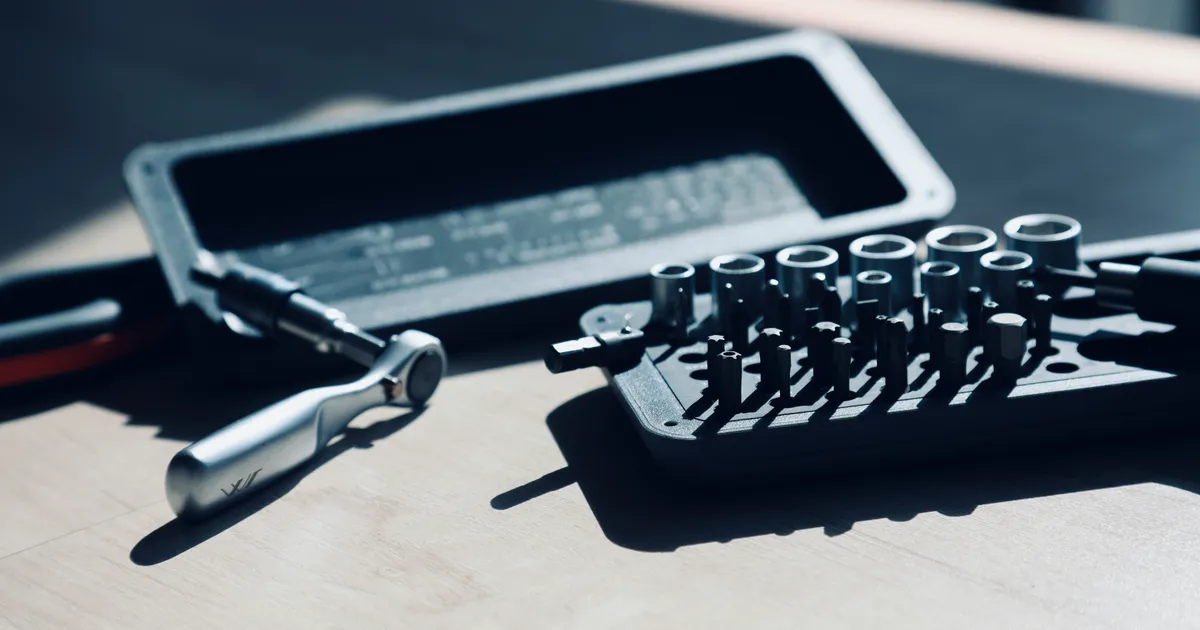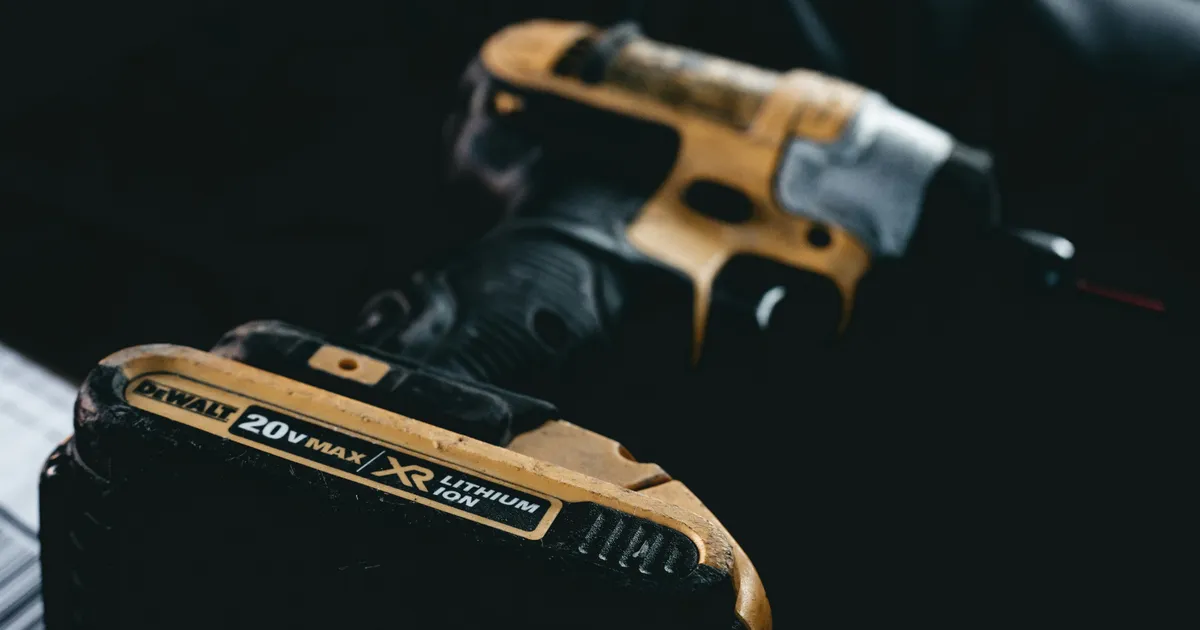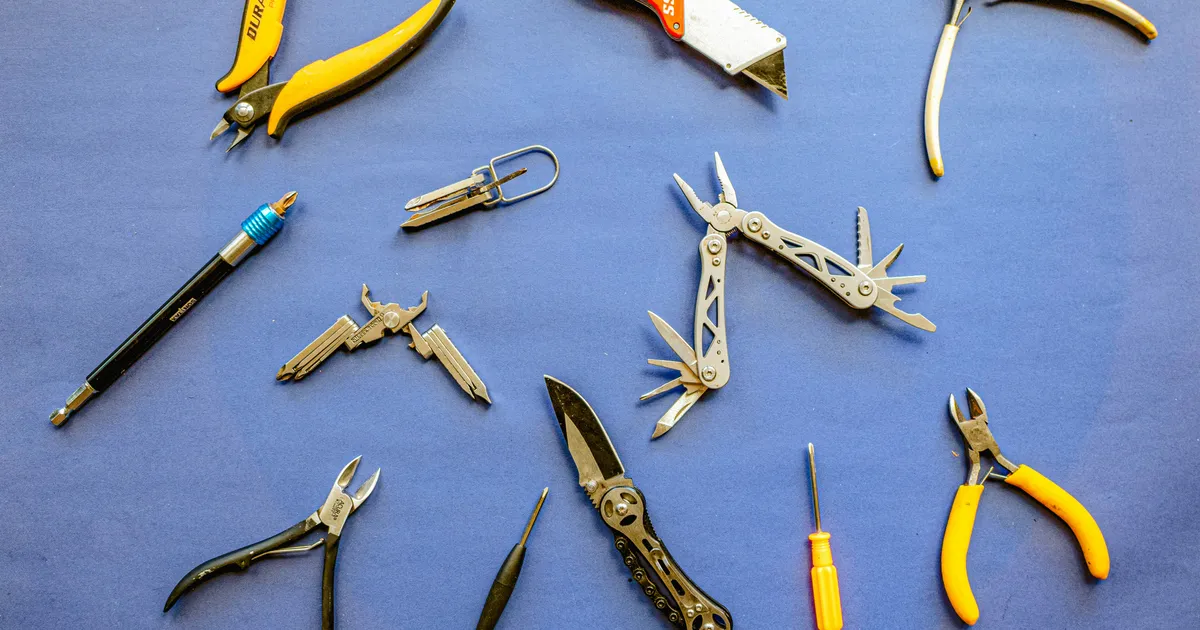
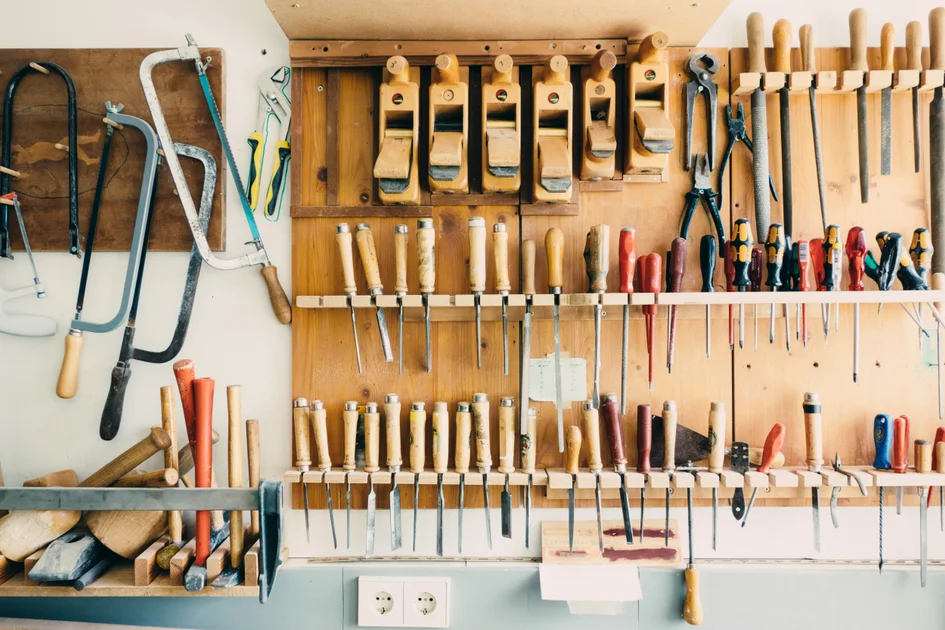
Learning how to check hand tool quality standards to ensure lifetime durability and safety is a critical skill for both professional tradespeople and dedicated DIY enthusiasts in 2026. High-quality tools are not just about ease of use; they are a fundamental pillar of workplace safety and project efficiency. Using substandard equipment often leads to catastrophic tool failures, ruined workpieces, and severe personal injuries. By understanding how to identify certified manufacturing marks, evaluate metallurgical integrity, and assess mechanical tolerances, you can make informed purchasing decisions that stand the test of time. This comprehensive guide details the exact protocols, international testing benchmarks, and physical characteristics you must look for to ensure your toolbox is filled with reliable, professional-grade gear.
Understanding Global Tool Safety Standards
When evaluating hand tools, your first line of defense is checking for recognized international certification marks stamped directly onto the metal or molded into the handles. In 2026, the global hardware market relies heavily on organizations like the International Organization for Standardization (ISO) and the American National Standards Institute (ANSI) to define baseline performance metrics. Tools that bear these stamps have undergone rigorous stress tests, torque limits, and fatigue evaluations to ensure they do not shatter under high stress. Always look for specific codes like DIN in Europe or ASME in the United States, as these indicate the manufacturer adheres to strict tolerances.
- Energy Efficient Appliance Standards: Your Homeowner's Guide to Smart Choices
- Why Is My Fridge Not Cooling? Failure Analysis & Repair Standards Guide
- Built to Last: Durable Tool Selection for Residential Maintenance
- Budget vs. premium power tools: A real-world durability and performance deep dive
- How to Select Tools: Essential Criteria for Home Improvement Projects
Beyond basic dimensional standards, safety-specific certifications are paramount, especially for electrical or high-torque applications. For instance, hand tools designed for electrical work must feature the VDE certification mark, which guarantees insulation safety up to 1,000 volts AC. Similarly, the GS (Geprüfte Sicherheit) mark from Germany indicates that the product complies with state safety laws and has been tested by an independent agency. Skipping these verified markings to save a few dollars often results in buying tools made from cheap, brittle alloys that pose immediate hazards during intensive manual labor, ultimately compromising your workflow safety.
The Role of ASME and DIN Ratings
The American Society of Mechanical Engineers (ASME) and the Deutsches Institut für Normung (DIN) set the gold standard for dimensional accuracy and torque limits. For example, an ASME-compliant wrench is guaranteed to fit a bolt head precisely, minimizing the risk of rounding off fasteners or slipping during heavy application. In 2026, these standards have been updated to reflect advanced manufacturing processes, ensuring that even under extreme workloads, the mechanical interface remains completely secure and predictable. Buying certified tools prevents costly damage to expensive machinery and specialized components.
Evaluating Metallurgy and Material Science
The raw material composition of a hand tool dictates its structural integrity, resistance to wear, and overall lifespan. High-quality hand tools are typically forged from premium alloy steels, such as Chrome Vanadium (Cr-V) or Chrome Molybdenum (Cr-Mo). Chrome Vanadium offers excellent hardness and tensile strength, making it ideal for standard wrenches, sockets, and screwdrivers. Chrome Molybdenum, on the other hand, possesses superior fatigue resistance and impact toughness, which is why it is the preferred material for heavy-duty impact sockets and pneumatic accessories that endure repetitive, high-stress blows in demanding industrial settings.
To verify metallurgical quality visually, inspect the surface finish for signs of drop forging versus cheap casting. Drop-forged tools are shaped under immense pressure while hot, aligning the grain structure of the steel to maximize strength and eliminate internal air pockets. Cast tools, which are made by pouring molten metal into a mold, are inherently weaker and prone to sudden, brittle failure under load. Look for the words “Drop Forged” stamped clearly on the tool body, as this indicates a superior manufacturing process that guarantees long-term durability and structural integrity under high torque.
Inspecting Mechanical Tolerances and Finish
Mechanical tolerances refer to the precision of moving parts and the accuracy of the tool’s dimensions. When examining adjustable wrenches, pliers, or ratchets, check for excessive “slop” or play in the joints and gears. A high-quality adjustable wrench should have minimal lateral movement in its jaw when fully tightened, ensuring a firm grip on fasteners. In pliers, the cutting edges must align perfectly without any visible light passing through when closed, and the pivot joint should operate smoothly without sticking or catching, indicating high-quality manufacturing tolerances and excellent quality control.
The surface finish of a tool is not merely aesthetic; it serves as a critical barrier against oxidation, rust, and chemical corrosion. Premium tools feature advanced coatings such as industrial-grade chrome plating, black oxide, or phosphate finishes. Check the edges and recessed areas of the tool to ensure the coating is uniform, smooth, and free of bubbles, flaking, or pinholes. Poorly applied plating will quickly peel off under stressful working conditions, exposing the underlying steel to moisture and accelerating structural degradation over time, which ultimately ruins the tool’s long-term utility.
Reddit & Expert Community Consensus
Within online trade communities and professional forums, the consensus on tool quality centers on real-world reliability rather than slick marketing campaigns. Experienced technicians on platforms like Reddit’s r/Tools sub-community emphasize that buying cheap tools is actually more expensive in the long run due to frequent replacements and damaged fasteners. They advocate for a hybrid approach: purchasing budget-friendly tools for occasional tasks but investing heavily in premium, certified brands for high-torque, high-use, or safety-critical applications where failure is simply not an option, saving both money and frustration over your career.
Furthermore, professional mechanics frequently highlight that the tactile feedback of a tool is a reliable indicator of its underlying quality. Tools that feel balanced in the hand and feature precise machining on the jaw faces consistently outperform generic alternatives in demanding environments. This community-driven insight aligns perfectly with official manufacturing standards, proving that empirical workshop experience closely mirrors rigorous laboratory testing when assessing tool performance. This shared expertise ensures that buyers make practical, tested choices rather than falling for clever retail gimmicks.
“Don’t buy tools based on the brand name alone; look at the country of origin, the specific steel alloy used, and the warranty terms. A lifetime warranty is useless if the tool breaks in the middle of a job and rounds off a bolt that you then have to spend three hours drilling out. Buy Chrome Vanadium for hand use, Chrome Moly for impact, and always check the jaw alignment before leaving the store.” — Expert Consensus from Reddit’s r/Tools Community
Cost & Pricing Breakdown
Understanding the financial landscape of hand tools helps buyers navigate the vast spectrum between budget-grade and professional-grade equipment. While it is tempting to purchase the cheapest set available, analyzing the cost-per-use over a lifetime reveals that premium tools offer far greater value. High-quality tools are built to withstand decades of abuse, whereas bargain-bin alternatives often fail during their first major project, necessitating immediate replacement and potentially causing bodily harm or property damage. Investing wisely at the start protects your hands and your project budget simultaneously.
To help you budget effectively, we have compiled a structured pricing breakdown based on current 2026 market rates for common hand tools. This table categorizes tools into three tiers based on their manufacturing standards, materials, and intended applications. By aligning your specific project needs with the appropriate tier, you can optimize your spending without compromising on safety or structural integrity. This direct comparison allows you to see where it makes the most sense to invest your hard-earned money for maximum durability.
| Tool Category | Budget Tier (DIY) | Mid-Range Tier (Semi-Pro) | Premium Tier (Professional) |
|---|---|---|---|
| Wrench Sets (Chrome Vanadium) | $20 – $40 | $50 – $120 | $150 – $400+ |
| Insulated Screwdrivers (VDE) | $15 – $30 | $35 – $70 | $80 – $180+ |
| High-Leverage Pliers | $10 – $20 | $25 – $50 | $60 – $120+ |
| Socket Sets (1/2-inch Drive) | $30 – $60 | $75 – $180 | $200 – $600+ |
Testing Ergonomics and Handle Bonding
Ergonomics play a vital role in both safety and long-term durability, as a poorly designed tool increases user fatigue and the risk of repetitive strain injuries. When evaluating hand tools, pay close attention to the shape, weight distribution, and grip material of the handles. High-quality ergonomic designs are engineered to distribute pressure evenly across the palm, reducing localized hot spots. In 2026, manufacturers utilize advanced dual-component or tri-component grip materials that offer a non-slip surface even when exposed to oil, grease, or sweat, ensuring maximum control during high-torque applications.
Additionally, the bonding method used to attach the handle to the tool’s metal core is a critical failure point that must be inspected. Cheap tools often use simple slip-on plastic sleeves that can slide off or twist during high-torque applications, leading to dangerous slips. Premium tools employ chemical bonding, over-molding, or mechanical pinning to ensure the handle remains permanently fused to the steel shaft. For heavy-duty striking tools like hammers, look for secure epoxy bonds or continuous steel-core construction to guarantee the head never separates from the handle, protecting everyone on the job site.
Key Takeaways
- Check for international certification markings such as ISO, ANSI, VDE, and GS to ensure compliance with global safety standards.
- Prioritize drop-forged alloy steels like Chrome Vanadium (Cr-V) and Chrome Molybdenum (Cr-Mo) over cheap cast metals.
- Inspect moving parts for minimal mechanical play and ensure cutting edges align perfectly without gaps.
- Look for advanced protective coatings like high-grade chrome plating or black phosphate to prevent rust and corrosion.
- Invest in ergonomic, chemically bonded, or over-molded handles to prevent slipping and reduce physical strain.
- Utilize a lifetime warranty as an indicator of manufacturer confidence, but prioritize physical inspection and material specs first.
Frequently Asked Questions
How can I tell if a hand tool is drop-forged or cast?
Look for the “Drop Forged” stamp on the tool’s body. Drop-forged tools typically have a smoother grain structure, slightly raised parting lines from the forging die, and superior weight-to-strength ratios, whereas cast tools often show a rough, grainy surface texture and are significantly heavier and thicker to compensate for weaker metal structure.
What is the significance of VDE certification on insulated hand tools?
VDE certification guarantees that the hand tool has been rigorously tested to withstand up to 1,000 volts of alternating current (AC). These tools undergo extreme testing, including water immersion, extreme temperatures, and impact tests, to ensure the protective insulation layer remains intact and safe for electrical work.
Why is Chrome Molybdenum preferred over Chrome Vanadium for impact tools?
Chrome Molybdenum (Cr-Mo) is more ductile and impact-resistant than Chrome Vanadium (Cr-V). This flexibility allows Cr-Mo to absorb the violent, repetitive vibrations and high torque of impact wrenches without cracking or shattering, making it the safer and more durable choice for pneumatic and electric impact applications.
Does a lifetime warranty always guarantee a high-quality hand tool?
No, a lifetime warranty does not automatically guarantee high quality. Some low-end manufacturers offer lifetime warranties as a marketing tactic, counting on the fact that many buyers will not go through the hassle of mailing in a broken $5 tool. Always prioritize material specifications, certifications, and manufacturing processes over the warranty alone.
How do I prevent rust and maintain hand tool quality over time?
To maintain hand tool quality, wipe your tools clean with a dry cloth after every use to remove sweat, dirt, and oils. Periodically apply a thin layer of light machine oil or a corrosion inhibitor to the metal surfaces, and store your tools in a dry, temperature-controlled environment with silica gel packets to absorb excess moisture.
Conclusion
In conclusion, learning how to check hand tool quality standards to ensure lifetime durability and safety is an invaluable investment in your physical well-being and craftsmanship. By prioritizing certified markings like ISO, ANSI, and VDE, selecting drop-forged Chrome Vanadium or Chrome Molybdenum alloys, and examining mechanical tolerances closely, you can confidently build a toolkit that performs flawlessly for decades. Do not compromise on safety or quality; instead, use the criteria outlined in this 2026 guide to choose tools that deliver exceptional reliability, outstanding ergonomics, and true peace of mind on every job.