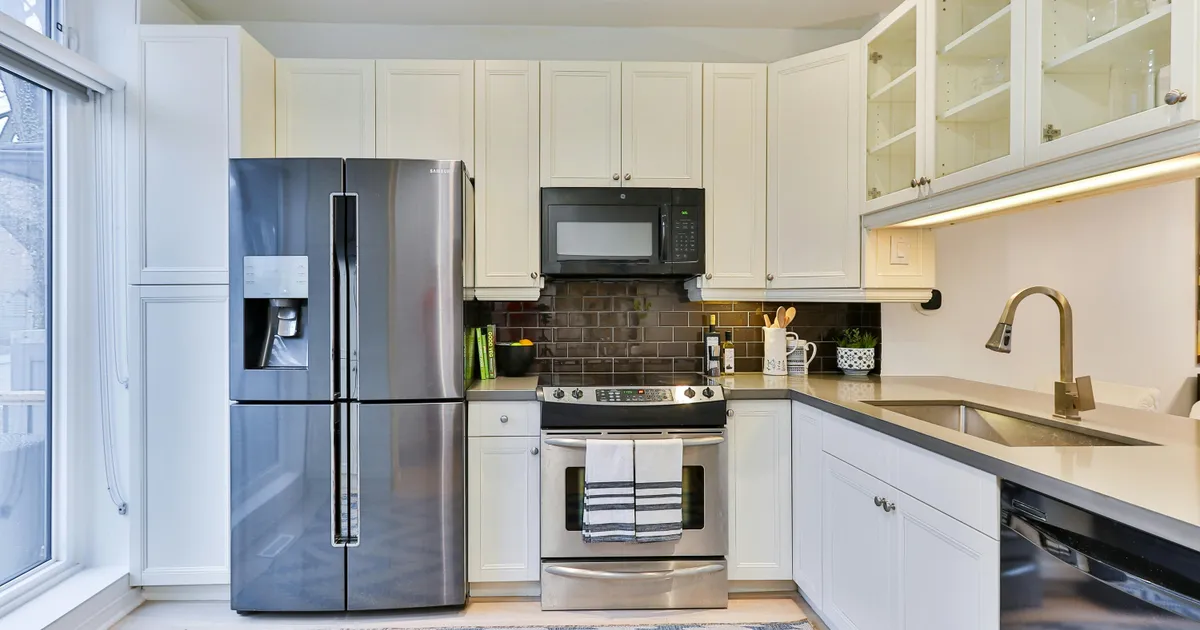
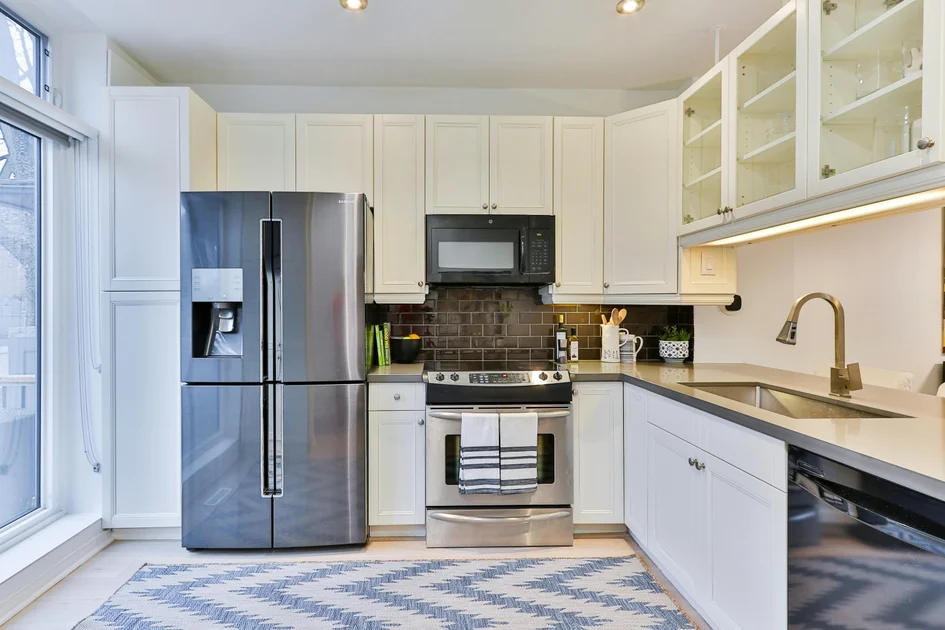
Energy-efficient home appliances are a crucial aspect of lowering monthly utility bills, and in 2026, homeowners are becoming increasingly aware of the importance of reducing their energy consumption. With the rising costs of electricity and water, investing in energy-efficient appliances can save homeowners a significant amount of money in the long run. According to the U.S. Department of Energy, energy-efficient appliances can help reduce energy consumption by up to 30%. In this article, we will explore the various types of energy-efficient home appliances available, their benefits, and how they can help homeowners lower their monthly utility bills.
Benefits of Energy Efficiency
Energy-efficient appliances offer numerous benefits to homeowners, including reduced energy consumption, lower utility bills, and a smaller carbon footprint. By investing in energy-efficient appliances, homeowners can also increase the value of their property and enhance their quality of life. Additionally, many energy-efficient appliances come with advanced features such as smart sensors and automated controls, which can make it easier for homeowners to manage their energy consumption.
- Preventive Maintenance Framework: Extend Home Appliance Lifespan & Save Money
- How to fix common household electronics: A stress-free troubleshooting guide for beginners
- Dishwasher not draining? How to clear clogs and repair drainage pump faults
- Common Appliance Failures: Troubleshoot & Fix Them Fast
- Smart appliance buying guide: What to look for before upgrading your modern kitchen
One of the most significant benefits of energy-efficient appliances is their ability to reduce energy consumption. According to the U.S. Environmental Protection Agency (EPA), energy-efficient appliances can help reduce greenhouse gas emissions and mitigate the impacts of climate change. Homeowners can visit the EPA’s website at https://www.epa.gov to learn more about energy-efficient appliances and their benefits.
Furthermore, energy-efficient appliances can also improve the overall performance and reliability of home systems. By reducing energy consumption, energy-efficient appliances can help prolong the lifespan of home systems, reducing the need for frequent repairs and replacements.
Types of Energy-Efficient Appliances
There are various types of energy-efficient appliances available, including refrigerators, washing machines, dryers, and dishwashers. These appliances are designed to consume less energy and water while maintaining their performance and functionality. For example, energy-efficient refrigerators use advanced insulation and smart sensors to minimize energy consumption, while energy-efficient washing machines use advanced wash cycles and low-water technologies to reduce water consumption.
Energy-efficient appliances are also available for heating and cooling systems, including air conditioners, heat pumps, and furnaces. These systems use advanced technologies such as inverter-driven compressors and smart thermostats to optimize energy consumption and performance. Homeowners can visit the American Council for an Energy-Efficient Economy (ACEEE) website at https://www.aceee.org to learn more about energy-efficient heating and cooling systems.
Additionally, energy-efficient appliances are also available for lighting and plumbing systems, including LED light bulbs and low-flow showerheads. These appliances use advanced technologies such as light-emitting diodes (LEDs) and aerodynamic designs to minimize energy and water consumption.
Cost & Pricing Breakdown
The cost of energy-efficient appliances can vary depending on the type and brand of appliance. However, many energy-efficient appliances are priced competitively with traditional appliances, making them a cost-effective option for homeowners. The following table outlines the estimated costs of various energy-efficient appliances:
| Appliance | Estimated Cost |
|---|---|
| Energy-efficient refrigerator | $1,000 – $3,000 |
| Energy-efficient washing machine | $500 – $1,500 |
| Energy-efficient air conditioner | $1,500 – $4,000 |
As shown in the table, the estimated costs of energy-efficient appliances can vary depending on the type and brand of appliance. However, many energy-efficient appliances are eligible for rebates and incentives, which can help offset the upfront cost.
Pros and Cons Analysis
Energy-efficient appliances offer numerous benefits, including reduced energy consumption, lower utility bills, and a smaller carbon footprint. However, there are also some potential drawbacks to consider, including higher upfront costs and limited availability of certain models. The following section outlines the pros and cons of energy-efficient appliances:
Pros of Energy-Efficient Appliances
Some of the key benefits of energy-efficient appliances include reduced energy consumption, lower utility bills, and a smaller carbon footprint. Energy-efficient appliances can also increase the value of a property and enhance the quality of life for homeowners. Additionally, many energy-efficient appliances come with advanced features such as smart sensors and automated controls, which can make it easier for homeowners to manage their energy consumption.
Installation and Maintenance
Installing energy-efficient appliances requires careful planning and consideration. Homeowners should consult with a professional to determine the best type of appliance for their needs and budget. Additionally, regular maintenance is essential to ensure that energy-efficient appliances continue to perform optimally and minimize energy consumption.
Homeowners can visit the U.S. Department of Energy’s website at https://www.energy.gov to learn more about installing and maintaining energy-efficient appliances. The website provides a range of resources and guides, including tutorials, videos, and FAQs, to help homeowners get started.
Furthermore, many energy-efficient appliances come with warranties and guarantees, which can provide homeowners with peace of mind and protection against defects and malfunctions.
Key Takeaways
The following are some key takeaways to consider when investing in energy-efficient home appliances:
- Energy-efficient appliances can help reduce energy consumption and lower utility bills.
- Energy-efficient appliances can increase the value of a property and enhance the quality of life for homeowners.
- Energy-efficient appliances require careful planning and consideration, including professional installation and regular maintenance.
- Energy-efficient appliances are available for a range of applications, including heating and cooling, lighting, and plumbing.
- Energy-efficient appliances can help mitigate the impacts of climate change and reduce greenhouse gas emissions.
- Homeowners can visit the U.S. Department of Energy’s website to learn more about energy-efficient appliances and their benefits.
Frequently Asked Questions
What are energy-efficient appliances?
Energy-efficient appliances are designed to consume less energy and water while maintaining their performance and functionality. These appliances use advanced technologies such as smart sensors, automated controls, and advanced insulation to minimize energy consumption.
How can I determine the energy efficiency of an appliance?
Homeowners can determine the energy efficiency of an appliance by looking for the ENERGY STAR label, which is a certification program run by the U.S. Environmental Protection Agency (EPA). The ENERGY STAR label indicates that an appliance meets certain energy efficiency standards.
What are some examples of energy-efficient appliances?
Some examples of energy-efficient appliances include refrigerators, washing machines, dryers, and dishwashers. Energy-efficient appliances are also available for heating and cooling systems, including air conditioners, heat pumps, and furnaces.
How can I install energy-efficient appliances?
Homeowners should consult with a professional to determine the best type of appliance for their needs and budget. Additionally, regular maintenance is essential to ensure that energy-efficient appliances continue to perform optimally and minimize energy consumption.
What are some benefits of energy-efficient appliances?
Some of the key benefits of energy-efficient appliances include reduced energy consumption, lower utility bills, and a smaller carbon footprint. Energy-efficient appliances can also increase the value of a property and enhance the quality of life for homeowners.
Conclusion
In conclusion, energy-efficient home appliances are a crucial aspect of lowering monthly utility bills and reducing energy consumption. By investing in energy-efficient appliances, homeowners can save money, increase the value of their property, and enhance their quality of life. As we move forward in 2026, it is essential for homeowners to consider the benefits of energy-efficient appliances and take steps to reduce their energy consumption and mitigate the impacts of climate change.