Deciding between budget vs. premium power tools: A real-world durability and performance deep dive is a critical crossroad for DIY enthusiasts and trade professionals alike in 2026. As manufacturing technologies like brushless motors and advanced lithium-ion cell chemistry become standard across all price tiers, the gap between entry-level and high-end gear seems to narrow on paper. However, real-world job site stress tests reveal that internal engineering, thermal management, and raw component quality still draw a sharp line between occasional-use tools and industrial-grade workhorses. Understanding these distinctions prevents costly project delays and ensures your tool investments align with your project demands. By analyzing torque consistency, material resilience, and battery efficiency, we can uncover whether premium brands justify their hefty price tags or if modern budget options offer sufficient performance for most users.
The Anatomy of Internal Components
Under the hood, the structural disparity between budget and premium power tools becomes immediately apparent. Premium models utilize precision-cut, hardened steel or titanium gears housed in robust magnesium alloy gearboxes to withstand intense torsional forces. Conversely, budget alternatives often rely on sintered metal gears or high-density plastics to minimize manufacturing costs. While these cheaper materials perform adequately under light, intermittent loads, they quickly deform or strip when subjected to continuous high-torque applications. This fundamental difference in metallurgy directly dictates the tool’s lifespan and its ability to handle demanding materials like concrete or hardwoods.
- DIY Appliance Repair: Simple Workflow for Non-Tech Users
- Energy-efficient home appliances: A homeowner's guide to lowering monthly utility bills
- Dishwasher not draining? How to clear clogs and repair drainage pump faults
- How to Choose Home Appliances: A Performance Metrics Framework
- How to choose the right tools for your next major home renovation project
Motor design represents another critical point of divergence in this real-world durability comparison. Premium brands optimize their brushless motors with high-grade, hand-wound copper coils and rare-earth magnets that maximize electrical efficiency and minimize heat generation. Budget brushless motors, while a massive upgrade over older brushed designs, frequently use lower-purity copper and looser winding tolerances. This leads to increased internal resistance, which manifests as rapid heat buildup during prolonged use. In 2026, sophisticated electronic thermal overload protection is common, but premium tools manage heat far better, preventing premature thermal shutdown and ensuring continuous productivity on the job site.
Battery Technology and Power Delivery
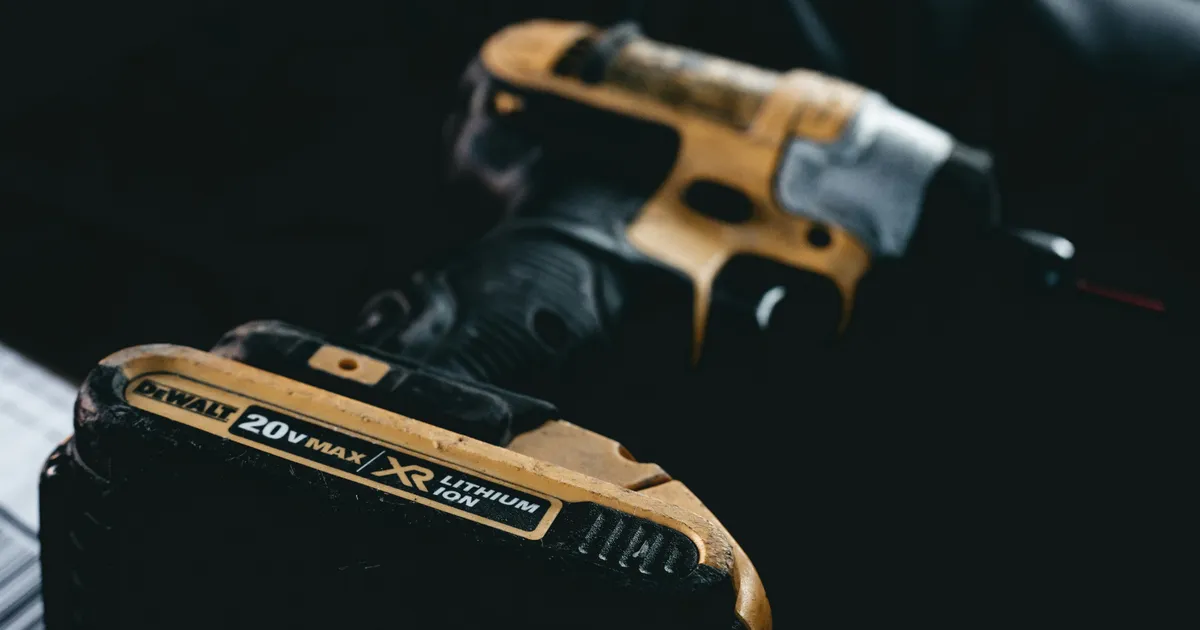
Battery packs are the lifeblood of cordless tools, and their internal chemistry varies wildly across price brackets. Premium manufacturers partner with tier-one battery cell producers to source cells with lower internal resistance and higher discharge rates, ensuring steady power delivery even under heavy loads. These battery packs are governed by advanced microprocessors that monitor individual cell voltage, temperature, and resistance. This real-world intelligence prevents overcharging, deep discharging, and overheating. Budget battery packs, on the other hand, often utilize generic or B-grade cells that suffer from rapid voltage drop-off, meaning the tool loses noticeable power as the battery drains.
Furthermore, the physical construction of premium battery packs is designed to survive the harsh realities of active construction zones. They feature shock-absorbing rubber overmolds, sealed electronics to repel moisture and dust, and robust internal rail systems to secure the cells. Budget batteries frequently lack these protective measures, leaving delicate solder joints vulnerable to fracturing from a simple drop off a workbench. For professionals relying on their gear daily, the superior durability of premium battery platforms justifies the upfront cost, while DIYers might find budget batteries perfectly adequate for occasional weekend tasks.
Comparison Table / Specifications Table
To clarify the differences highlighted in our budget vs. premium power tools: A real-world durability and performance deep dive, we must examine the technical specifications that define these categories. While a budget drill and a premium drill might both claim a “20V Max” rating, their internal architectures tell a vastly different story regarding torque, run time, and build quality. The following detailed comparison table outlines the typical specifications, materials, and engineering standards you will encounter when comparing these two tiers of tools in 2026.
| Feature / Specification | Budget Power Tools (DIY/Entry-Level) | Premium Power Tools (Professional/Industrial) | Real-World Impact on Performance |
|---|---|---|---|
| Gearbox Materials | Sintered metal or high-strength plastics | Hardened steel, titanium, magnesium alloy | Premium resists stripping under high torque |
| Motor Efficiency | Standard brushless, loose copper windings | High-efficiency brushless, tight hand-wound copper | Premium runs cooler, lasts 3x longer |
| Battery Cells & BMS | Generic cells, basic circuit protection | Tier-1 cells (Samsung/LG), active microprocessors | Premium maintains constant power under load |
| Chuck & Collet Build | Plastic sleeve, single-sleeve keyless | All-metal, carbide-jaw ratcheting chuck | Premium prevents bit slippage and wobble |
| Dust & Water Protection | Minimal sealing, basic vents | IP56+ rating, potted electronics, sealed switches | Premium survives rain, concrete dust, and drops |
| Warranty & Support | 1-2 Years limited, slow replacement | 3-5 Years, rapid exchange, local service centers | Premium minimizes downtime for working pros |
Analyzing these specifications reveals that premium tools are engineered for extreme environments where tool failure equates to lost revenue. For instance, the transition to all-metal ratcheting chucks with carbide jaws in premium drills prevents the frustrating bit slippage common in plastic-sleeved budget chucks. Additionally, advanced dust and water ingress protection (such as IP56 ratings) allows premium tools to operate reliably in dusty drywall environments or damp outdoor settings. While budget tools deliver excellent value for controlled indoor projects, they lack the ruggedized sealing required to survive continuous exposure to abrasive debris and moisture.
Pros and Cons Analysis
Conducting a balanced pros and cons analysis is essential for identifying which tool tier aligns with your specific operational needs and financial constraints. Budget power tools offer an incredibly low barrier to entry, allowing homeowners to build a comprehensive tool library without breaking the bank. Modern budget tools in 2026 benefit from trickle-down technology, meaning they often feature ergonomic grips, LED work lights, and brushless motors that were exclusive to premium tools a few years ago. However, the trade-offs include shorter lifespans, slower charging times, and a noticeable lack of raw power when drilling large-diameter holes or driving long structural screws.
Premium power tools, conversely, deliver unmatched performance, speed, and durability that directly translate to efficiency on the job site. The primary drawback is the significant initial financial investment, which can be difficult to justify for casual users who only need a tool a few times a year. Additionally, premium battery ecosystems can lock users into expensive proprietary platforms. Yet, for those who demand precision, the reduced vibration, superior ergonomics, and extensive warranties of premium brands offer peace of mind. By weighing these pros and cons, users can make an informed decision that balances upfront costs against long-term reliability.
Real-World Ergonomics and Vibration Control
Beyond raw power and internal components, how a tool feels in the hand during extended use plays a massive role in overall productivity and safety. Premium manufacturers invest heavily in ergonomic research, developing advanced vibration-dampening systems and balanced weight distributions. These design choices reduce user fatigue, joint strain, and the risk of developing Hand-Arm Vibration Syndrome (HAVS) over years of daily operation. Budget tools, while functional, often feature harsher plastics, less sophisticated overmolding, and poor weight balance, making them tiring to operate for more than an hour or two at a time.
The Impact of Active Vibration Dampening
Active vibration dampening is a hallmark of premium rotary hammers, reciprocating saws, and sanders. This technology uses counterweights and decoupled handles to absorb kinetic energy before it reaches the user’s hands. According to research on ergonomic tool design at Pro Tool Reviews, reducing vibration not only increases comfort but also drastically improves cutting and drilling accuracy. Budget tools typically rely on simple rubber grips to mask vibration, which does little to stop the deep mechanical oscillations from transferring directly into the operator’s wrists and elbows during heavy-duty demolition or wood-shaping tasks.
Long-Term Cost-to-Benefit Analysis
When evaluating budget vs. premium power tools: A real-world durability and performance deep dive, calculating the total cost of ownership over several years is crucial. A budget drill costing eighty dollars might seem like a bargain compared to a three-hundred-dollar premium equivalent. However, if a professional contractor burns through three budget drills within two years due to demanding workloads, they have not only spent more on replacements but have also lost valuable billable hours due to tool downtime. In 2026, the smart money analyzes tool purchases through the lens of cost-per-use rather than initial shelf price.
For dedicated DIYers, the math changes completely. A budget tool used ten times a year for minor home repairs will likely last a decade because it is never pushed to its thermal or mechanical limits. In this scenario, purchasing a premium system is an unnecessary luxury. However, serious woodworkers, automotive enthusiasts, or home renovators who demand high precision and torque will quickly outgrow budget limitations. Investing in a premium platform from the start ensures access to a wider ecosystem of specialized, high-performance tools that share the same battery system, ultimately saving money as their skill set and project complexity expand, as highlighted by resources like Woodworking Network.
Key Takeaways
- Internal metallurgy is the primary differentiator, with premium tools utilizing hardened steel and magnesium alloys compared to the plastics and sintered metals found in budget options.
- Premium battery packs feature superior cell quality, active microprocessor monitoring, and rugged drop protection, ensuring consistent power output and longer cycle lives.
- Ergonomic engineering and active vibration dampening in premium tools protect users from long-term joint strain and fatigue during extended work sessions.
- Budget tools in 2026 offer exceptional value for occasional DIY tasks, leveraging trickle-down brushless motor technology at highly accessible price points.
- Total cost of ownership favors premium tools for professional applications due to minimized downtime, robust warranties, and rapid tool replacement networks.
Frequently Asked Questions
Can budget power tools be used for professional work?
While some light-duty professionals use budget tools as backup options, they generally lack the thermal management, dust sealing, and rugged internal gears required for daily, heavy-duty job site use.
Why do premium batteries cost so much more than budget ones?
Premium batteries use high-grade, low-resistance cells from top-tier manufacturers, integrated with sophisticated battery management system (BMS) microprocessors and shock-absorbing structural protection.
Do premium power tools have better warranties?
Yes, premium brands typically offer three-to-five-year warranties with rapid repair or replacement programs, whereas budget tools usually offer basic one-to-two-year warranties with slower processing times.
What is the main cause of budget power tool failure?
The most common failure points are overheated motors, stripped plastic or low-grade metal gears under high torque, and broken battery connections caused by drops or high vibration.
Is brushless technology worth it on a budget tool in 2026?
Absolutely. Brushless motors on budget tools dramatically increase runtime and motor lifespan compared to older brushed models, making them highly recommended for any modern purchase.
Conclusion
Ultimately, navigating the landscape of budget vs. premium power tools: A real-world durability and performance deep dive requires a realistic assessment of your workload and performance expectations. In 2026, the line between these two tiers is defined not just by raw power, but by the tool’s ability to endure harsh environments and continuous stress. While budget tools provide outstanding value for home maintenance, premium tools remain the undisputed choice for those whose livelihood depends on reliability, precision, and safety. Choose wisely to maximize your efficiency and protect your investment.