Mastering advanced home repair tools requires a blend of technical precision, mechanical intuition, and a commitment to rigorous safety protocols. As we navigate the technological landscape of 2026, the DIY enthusiast and professional contractor alike must adapt to smarter, more efficient instrumentation that transforms complex renovations into manageable tasks. Whether you are installing custom cabinetry, upgrading structural integrity, or managing intricate electrical systems, having the right equipment is only half the battle. Understanding the nuanced techniques for expert usage ensures that your home improvements stand the test of time, increasing property value while minimizing the risk of costly errors. This guide serves as your definitive roadmap to professional-grade maintenance and construction, blending traditional craftsmanship with the innovative power of modern diagnostics and high-performance machinery.
Advanced Power Tool Fundamentals
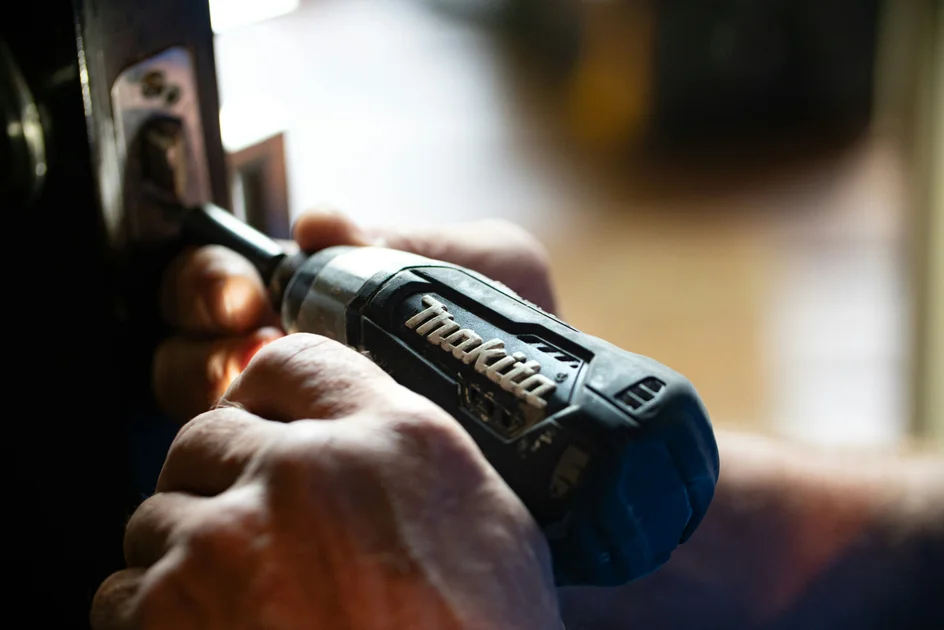
In 2026, the evolution of cordless technology has redefined the standard for advanced home repair tools. Brushless motors, combined with high-density lithium-ion battery platforms, now provide torque levels previously reserved for corded, industrial-grade equipment. When utilizing high-impact drivers or precision rotary saws, the secret to expert usage lies in managing variable speed triggers to prevent stripping fasteners or splintering delicate hardwoods. Professionals often rely on advanced torque settings to ensure consistency across repetitive tasks, which is critical for structural projects where fastener depth directly impacts load-bearing capacity. By leveraging the latest ergonomic designs, you can significantly reduce physical fatigue during long-duration renovations, allowing for greater focus on the technical details of your work.
- Smart Appliance Buying Guide: Essential Considerations for Modern Homes
- Budget vs. premium power tools: A real-world durability and performance deep dive
- The ultimate beginner's guide to safely repairing small household appliances at home
- Appliance Troubleshooting Made Easy: A Step-by-Step Guide for Beginners
- Appliance Investment: Maximizing Long-Term Value & Cost Efficiency
Safety remains the cornerstone of any advanced workshop environment. Beyond standard protective eyewear, modern tools now feature integrated electronic feedback loops that detect kickback and automatically shut down the motor in milliseconds. Familiarizing yourself with these advanced safety features is not merely a recommendation; it is an essential practice for any serious home improver. Always consult the manufacturer’s updated technical manuals to understand the specific performance curves of your gear. By combining these smart safety protocols with a disciplined approach to maintenance—such as periodic cleaning of ventilation ports and checking for battery contact oxidation—you ensure that your investment performs reliably for years, keeping your workspace secure and your projects on schedule.
Precision Diagnostic Equipment
Modern home maintenance is no longer about guesswork; it is about data-driven decision-making enabled by advanced diagnostic tools. Thermal imaging cameras, which have become significantly more affordable and user-friendly in 2026, are now indispensable for identifying hidden insulation gaps, moisture accumulation behind drywall, or electrical hotspots in breaker panels. By visualizing temperature differentials, you can diagnose issues before they escalate into structural damage or fire hazards. These tools bridge the gap between novice repair work and expert-level diagnostic precision, allowing you to target your efforts exactly where they are needed most without unnecessary demolition or invasive inspection methods.
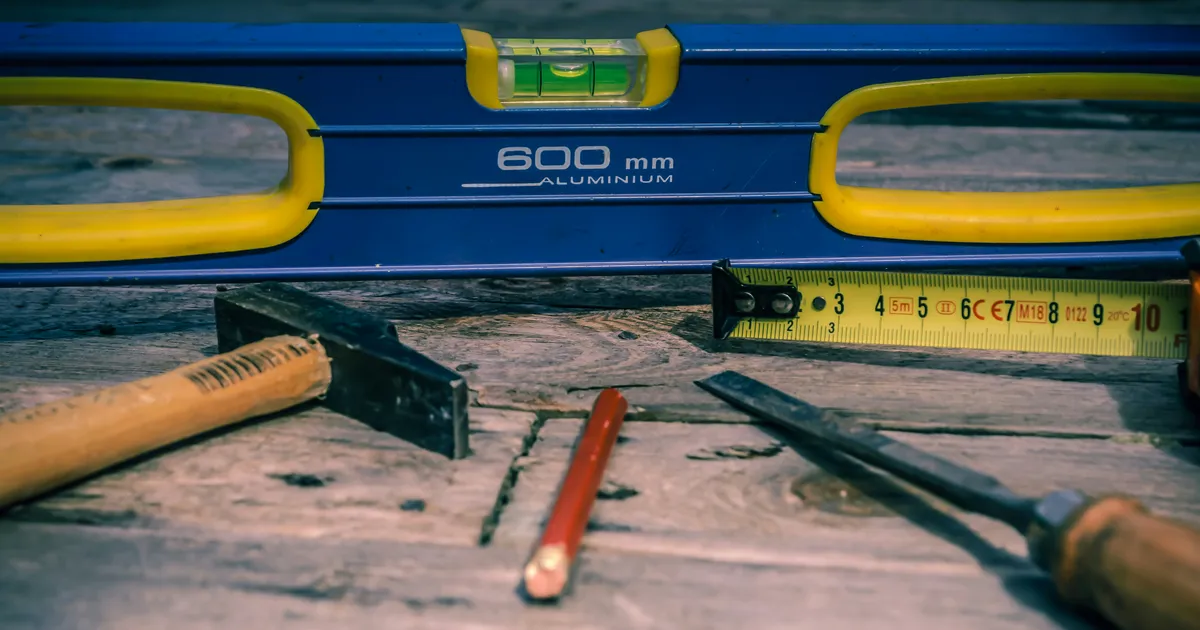
In addition to thermal imaging, laser-based measurement systems have revolutionized the accuracy of framing and layout tasks. A self-leveling cross-line laser eliminates the margin of error associated with manual bubble levels, providing a perfect horizontal or vertical reference point across an entire room. When installing tile, hanging heavy shelving, or aligning cabinetry, this level of precision is the hallmark of a professional finish. Utilizing these advanced instruments requires a basic understanding of calibration; checking your laser against a known plumb line periodically is a best practice for maintaining accuracy. Investing in high-quality diagnostic gear empowers you to approach complex repairs with the confidence of a seasoned contractor, ensuring that every measurement is verified and every structural integrity check is thorough.
Advanced Laser Leveling Techniques
Mastering the use of a cross-line laser requires understanding how to properly mount the device for stability and coverage. Using a heavy-duty tripod with fine-adjustment heads allows you to transition between different planes without losing your reference point. When working on multi-room projects, utilize laser detectors to extend the range of your tool, ensuring that lines remain visible even in high-ambient light conditions. Always verify your setup by rotating the laser 180 degrees; if the lines align, your device is calibrated correctly. This level of attention to detail is what separates amateur work from expert-level craftsmanship, ensuring that your final results meet the highest architectural standards.
Cost & Pricing Breakdown
Investing in professional-grade tools represents a significant upfront expenditure, but the long-term savings from avoiding professional contractor fees are substantial. The following table outlines the typical investment tiers for high-performance home repair equipment in 2026.
| Tool Category | Entry-Level Price | Pro-Grade Price | Budgeting Tip |
|---|---|---|---|
| Cordless Drill/Driver | $120 – $180 | $250 – $450 | Buy as part of a kit. |
| Thermal Imager | $300 – $500 | $800 – $2,000 | Rent for one-time jobs. |
| Laser Level | $80 – $150 | $300 – $600 | Look for bundle deals. |
| Multi-Tool (Oscillating) | $100 – $160 | $200 – $350 | Prioritize high torque. |
| Inspection Camera | $150 – $300 | $500 – $1,200 | Check for app integration. |
Comparison Table of Tool Technologies
Choosing between different tool technologies depends heavily on the scale and frequency of your projects. This table compares common alternatives to help you select the best path for your specific needs.
| Feature | Brushless Motor | Brushed Motor | Pneumatic System |
|---|---|---|---|
| Efficiency | High (Longer life) | Moderate | Low (External source) |
| Maintenance | Minimal | Requires brush change | High (Compressor) |
| Noise Level | Lower | Higher | Very High |
| Weight | Lightweight | Moderate | Heavy/Bulky |
| Best Use Case | Daily DIY/Pro usage | Occasional light work | High-volume framing |
Safety Protocols and Maintenance
The most critical aspect of advanced tool ownership is the implementation of a rigid maintenance schedule. In 2026, smart tools often include firmware updates that optimize battery management and motor performance; ignoring these updates can result in suboptimal efficiency or premature component failure. Regularly inspecting your power cords, battery terminals, and blade guards for signs of wear is a non-negotiable safety step. Always store your high-precision instruments in temperature-controlled environments to prevent moisture-related corrosion on electronic boards. By treating your tools with the same respect you would afford a high-performance vehicle, you ensure they remain safe, accurate, and ready for your next complex project.
Furthermore, personal safety equipment has advanced to include intelligent respiratory protection and hearing conservation devices that allow for better situational awareness. When utilizing high-vibration tools like reciprocating saws, consider using anti-vibration gloves to mitigate the risk of nerve damage over time. Establishing a clean workspace is equally vital; clutter is the leading cause of accidents in the home workshop. Implement a system for tracking tool usage and periodic cleaning, ensuring that your workspace remains an environment of focus and efficiency. Remember that advanced tools are designed to work for you, but they require a knowledgeable human operator to ensure that every cut, drill, or measurement is performed safely and correctly.
Expert Techniques for Complex Repairs
Achieving expert-level results often comes down to the specific techniques applied during the repair process. For instance, when dealing with structural fasteners, using a high-torque impact wrench requires a nuanced touch to avoid shearing bolts or damaging the surrounding material. Practice on scrap materials to get a feel for the tool’s power curve before attempting critical structural work. Similarly, when using oscillating multi-tools for plunge cuts, maintain a steady grip and allow the tool’s vibration to do the work rather than applying excessive downward pressure, which can cause the blade to wander or overheat. These subtle adjustments in technique are what distinguish a novice from a master craftsman.
Integration is another key theme for 2026. Many homeowners now utilize smart-home connectivity to link their diagnostic tools directly to mobile devices, allowing for real-time documentation of repairs. This is particularly useful for tracking the history of your home’s systems, from electrical loads to plumbing integrity. By logging data from your thermal imaging camera or circuit testers, you build a comprehensive digital maintenance record that adds immense value to your property. Learning to interpret this data effectively allows you to anticipate potential failures before they occur, shifting your approach from reactive repairs to proactive system management. This foresight is the hallmark of a truly advanced home maintainer.
Key Takeaways
- Prioritize brushless motor technology for maximum efficiency and tool longevity.
- Implement a strict maintenance schedule including firmware updates and physical inspections.
- Use diagnostic tools like thermal imagers to move from reactive to proactive maintenance.
- Always wear task-appropriate PPE to mitigate risks from noise, vibration, and dust.
- Utilize laser leveling systems to ensure professional-grade accuracy in all structural work.
- Maintain detailed digital records of home system performance to increase property value.
Frequently Asked Questions
What is the most important feature to look for in 2026 power tools?
Look for intelligent battery management systems and brushless motors, as these offer the best balance of longevity, power, and safety protection against overheating or kickback.
Are thermal imaging cameras worth the cost for DIYers?
Yes, they are highly valuable for identifying energy leaks, moisture issues, and electrical problems that are invisible to the naked eye, potentially saving thousands in professional inspection fees.
How often should I calibrate my laser level?
You should verify calibration every few months or after any significant drop or impact to ensure the accuracy of your structural work.
Can I mix different battery brands for my tools?
It is strongly recommended to stick to one battery platform to ensure optimal performance, safety, and warranty coverage, as voltage and communication protocols are rarely compatible.
What is the best way to store advanced electronic tools?
Store them in a cool, dry, and dust-free environment, preferably in their original hard-shell cases to protect against moisture and physical impact.
Conclusion
Mastering advanced home repair tools in 2026 is an ongoing journey of learning and technical refinement. By embracing modern diagnostic technology, prioritizing safety through rigorous maintenance, and honing your mechanical technique, you can elevate your home improvement projects to a professional standard. These tools are powerful extensions of your own capability, allowing you to solve complex problems with precision and efficiency. As you continue to build your workshop, remember that the most valuable tool in your kit remains your own knowledge and commitment to excellence. Stay curious, practice consistently, and enjoy the satisfaction of maintaining a home that is both beautiful and structurally sound.