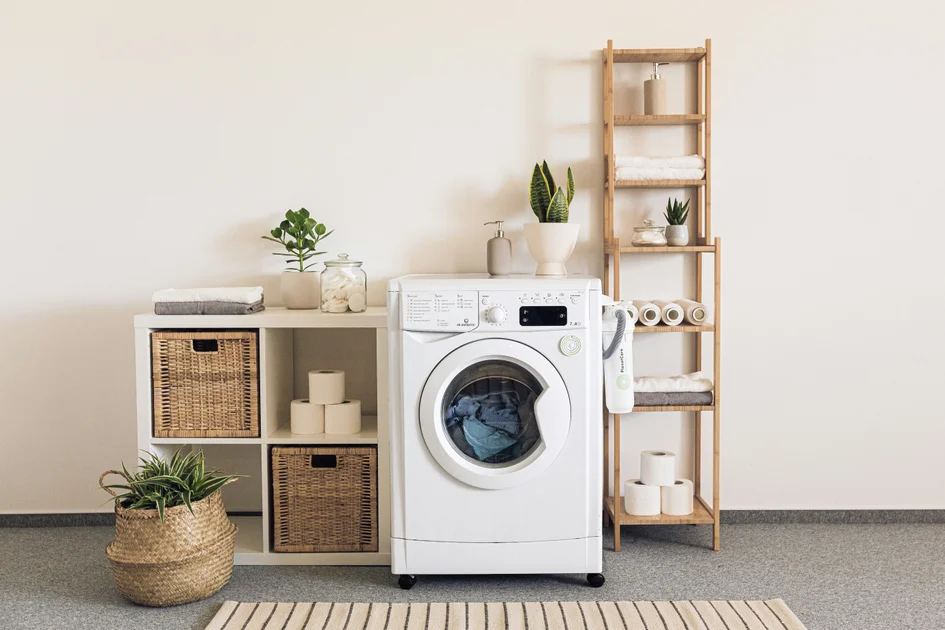
Learning how to fix a washing machine drum that won’t spin is a vital skill for any homeowner in 2026, as modern appliances often face mechanical stress from heavy laundry cycles. When your washer fills with water but refuses to agitate or spin, the frustration can mount quickly, potentially leading to costly service appointments. Fortunately, most drum issues stem from a handful of common components, including drive belts, motor brushes, or the door switch mechanism. By methodically diagnosing these parts, you can often restore your machine to full functionality without needing a professional technician. This comprehensive guide provides the expert insights required to identify the root cause of your appliance failure, select the correct replacement parts, and safely execute repairs to ensure your laundry routine remains uninterrupted throughout the remainder of 2026.
Initial Diagnostic Procedures
The first step in resolving a spinning issue involves a thorough safety check and manual inspection of the appliance. Before touching any internal components, always disconnect the power cord from the wall outlet and ensure the water supply valves are turned off completely. Once the machine is safe, try to rotate the drum by hand to check for physical obstructions or debris, such as coins or bra wires, that may have become lodged between the drum and the outer tub. If the drum feels stuck or makes a grinding noise, the problem might be related to the bearings or a foreign object blocking the rotation. Refer to the manufacturer’s manual available at RepairClinic for specific instructions on accessing your model’s internal cavity.
- Energy Efficient Appliance Standards: Your Homeowner's Guide to Smart Choices
- Preventive Maintenance Framework: Extend Home Appliance Lifespan & Save Money
- Professional-Grade Tools vs. DIY: The Ultimate Comparison for Home Upgrades
- How to Select Tools: Essential Criteria for Home Improvement Projects
- DIY Appliance Repair: Simple Workflow for Non-Tech Users
If the drum moves freely but remains stationary during a cycle, the issue is almost certainly electrical or mechanical. Inspect the door latch or lid switch first, as these safety mechanisms prevent the washer from spinning if they detect that the door is ajar. A faulty switch will send a signal to the main control board that the door is open, effectively disabling the motor. You can test these switches using a basic multimeter to check for continuity. If the multimeter does not register a reading when the switch is depressed, the component is likely defective and requires a replacement. Modern 2026 appliance troubleshooting guides emphasize that these small safety switches are the most common points of failure in front-loading units.
Drive Belt and Motor Inspection
For many belt-driven washing machines, a snapped or slipped drive belt is the primary culprit behind a stationary drum. Over time, the rubber belt can stretch, crack, or completely break due to constant friction and heavy load cycles. To inspect the belt, remove the back or bottom panel of the machine to gain access to the pulley system. If the belt is loose or visibly damaged, it must be replaced with an exact OEM part to ensure proper tension. A loose belt will often cause the motor to spin while the drum remains idle, creating a distinct squealing noise during operation. Always verify the part number on the old belt to guarantee that your 2026 replacement fits your specific washer model perfectly.
If the belt appears intact, turn your attention to the motor and the carbon brushes. In many standard washers, carbon brushes transfer electrical current to the motor’s rotor; as these brushes wear down over years of use, they eventually lose contact, causing the motor to stop functioning. You can usually remove the motor housing to inspect the length of the carbon brushes. If they are shorter than half an inch or show signs of heavy pitting and burning, they are exhausted. Replacing these brushes is a cost-effective repair that can often extend the life of your motor by several years. For detailed schematics and part compatibility, consult official resources like GE Appliances or your specific manufacturer’s support portal.
Cost & Pricing Breakdown
Understanding the financial implications of DIY repairs compared to professional services is essential for effective household budgeting. The following table outlines the estimated costs for common washing machine components and labor in 2026. Keep in mind that these prices may vary based on the brand of your appliance and local market conditions.
| Part or Service | Estimated DIY Cost | Professional Service Cost |
|---|---|---|
| Drive Belt | 25 – 45 USD | 150 – 200 USD |
| Door/Lid Switch | 30 – 60 USD | 180 – 250 USD |
| Carbon Brushes | 20 – 40 USD | 150 – 220 USD |
| Drive Motor | 150 – 300 USD | 400 – 600 USD |
| Professional Labor | N/A | 100 – 150 USD/hr |
Pros and Cons Analysis
Deciding whether to repair a washing machine yourself or hire a professional technician involves weighing several factors. Repairing the drum mechanism on your own offers significant cost savings and provides a deeper understanding of your appliance, which can be invaluable for future maintenance. However, DIY repairs carry risks, including the potential for accidental damage, voiding your warranty, or encountering complex electrical issues that require specialized tools. Professional technicians bring expertise and insurance coverage, but the hourly labor rates can quickly approach the cost of a brand-new appliance. Carefully assess your mechanical comfort level and the severity of the malfunction before committing to a DIY project, as some tasks, such as replacing main bearings, are highly labor-intensive and may require professional-grade equipment.
Another benefit of DIY maintenance is the speed of resolution. When you manage the repair yourself, you avoid the wait times associated with scheduling a service visit, which can take days or even weeks during peak demand periods. Conversely, the main drawback is the risk of misdiagnosis; if you replace an expensive motor only to find that a simple fuse was the actual issue, you have wasted both time and capital. Always perform a comprehensive diagnostic test before purchasing parts. By keeping your tools organized and following online repair forums, you can mitigate these risks and successfully troubleshoot most issues that prevent your washing machine drum from spinning in 2026.
Advanced Troubleshooting Tips
If you have ruled out the belt, brushes, and switches, the problem may lie within the machine’s control board or the motor capacitor. The control board acts as the brain of the washer, sending signals to the motor to initiate the spin cycle. If the board is faulty, it may fail to send the necessary voltage, leaving the drum motionless despite all mechanical parts being in good condition. You can often perform a factory reset or run a diagnostic test mode by entering a specific key combination on the washer console, which will display error codes indicating the nature of the fault. Consult the service manual for your specific machine to decode these blinking light patterns or digital error messages.
Motor Capacitor Functionality
The motor capacitor is a small cylinder-shaped component that provides the initial power surge needed to start the motor. If your washer hums but refuses to spin, the capacitor may be failing to hold a charge. You can test the capacitor using a multimeter set to capacitance mode, but ensure it is safely discharged first, as these parts can hold a dangerous electrical charge even when unplugged. If the reading does not match the specifications printed on the capacitor label, it must be replaced. Identifying this inexpensive part can save you from replacing the entire motor, making it a critical step for advanced home repair enthusiasts looking to save money.
Key Takeaways
- Always unplug the appliance and shut off water valves before performing any internal inspection or repair.
- Check the door or lid switch first, as these are common points of failure that prevent the spin cycle.
- Inspect the drive belt for cracks or slippage, which is the most frequent cause of a non-spinning drum.
- Use a multimeter to test electrical components like motor brushes and capacitors for continuity or proper output.
- Compare DIY costs against professional service fees to ensure the repair makes financial sense for your budget.
- Consult your manufacturer’s 2026 service manual for specific diagnostic error codes related to your appliance model.
Frequently Asked Questions
How do I know if my washing machine motor is dead?
If you hear a persistent humming sound but the drum does not move, the motor might be receiving power but failing to turn. However, check the drive belt and capacitor first, as these are more likely to fail than the motor itself.
Can I replace the drum bearings myself?
Replacing drum bearings is a complex task that requires disassembling almost the entire machine. It is often recommended to hire a professional unless you have significant mechanical experience and the necessary specialized tools.
What is the average lifespan of a washing machine?
In 2026, most modern washing machines are expected to last between 8 and 12 years with regular maintenance, depending on the frequency of use and the water quality in your area.
Why does my washer drain but not spin?
This usually indicates that the machine is successfully completing the drain phase but has a fault in the spin sensor, the door lock, or the motor drive system. Check the door latch mechanism for any debris.
Is it worth repairing an older washing machine?
If the repair costs less than 50 percent of the price of a new machine and the unit is under 10 years old, it is generally considered worth repairing rather than replacing.
Conclusion
Fixing a washing machine drum that won’t spin is a manageable project when approached with patience and the right diagnostic information. By systematically checking the door switches, drive belts, and motor components, you can often identify the failure and perform a cost-effective repair. Whether you are replacing a simple belt or troubleshooting a complex control board, your efforts help extend the life of your appliance and minimize environmental waste. As we navigate the repair challenges of 2026, remember that safety and precision remain the cornerstones of successful home maintenance. With the right parts and a bit of diligence, you will have your laundry routine back on track in no time.