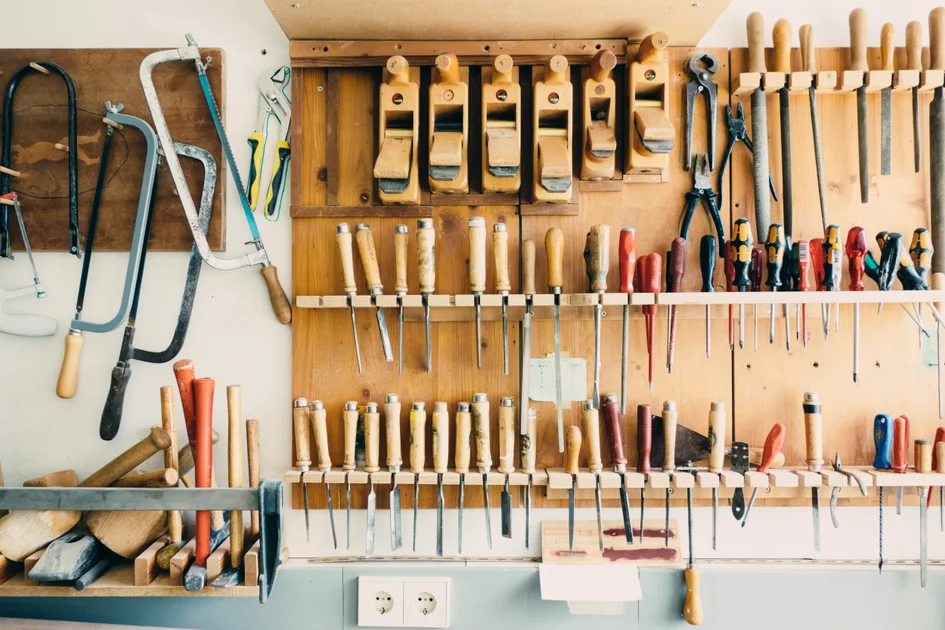
Selecting the best home improvement tools for beginner DIY projects in 2026 requires a discerning eye for quality, safety, and versatility. As homeowners increasingly turn to self-led renovations to enhance property value and personal utility, the barrier to entry has lowered significantly due to advancements in cordless technology and ergonomic design. Whether you are assembling flat-pack furniture, repairing drywall, or embarking on a small-scale carpentry endeavor, having a curated arsenal of reliable instruments is paramount. This guide focuses on professional-grade entry-level equipment that balances cost-efficiency with long-term durability. By investing in modular battery ecosystems and high-precision hand tools, novices can establish a foundation that supports increasingly complex craftsmanship as their skills evolve throughout the year.
Establishing Your Essential Tool Kit
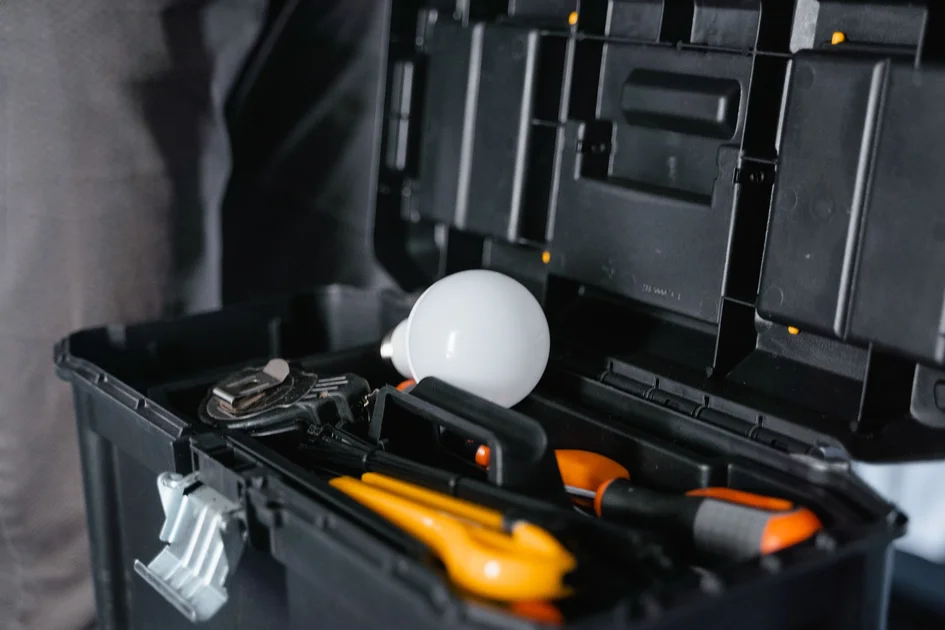
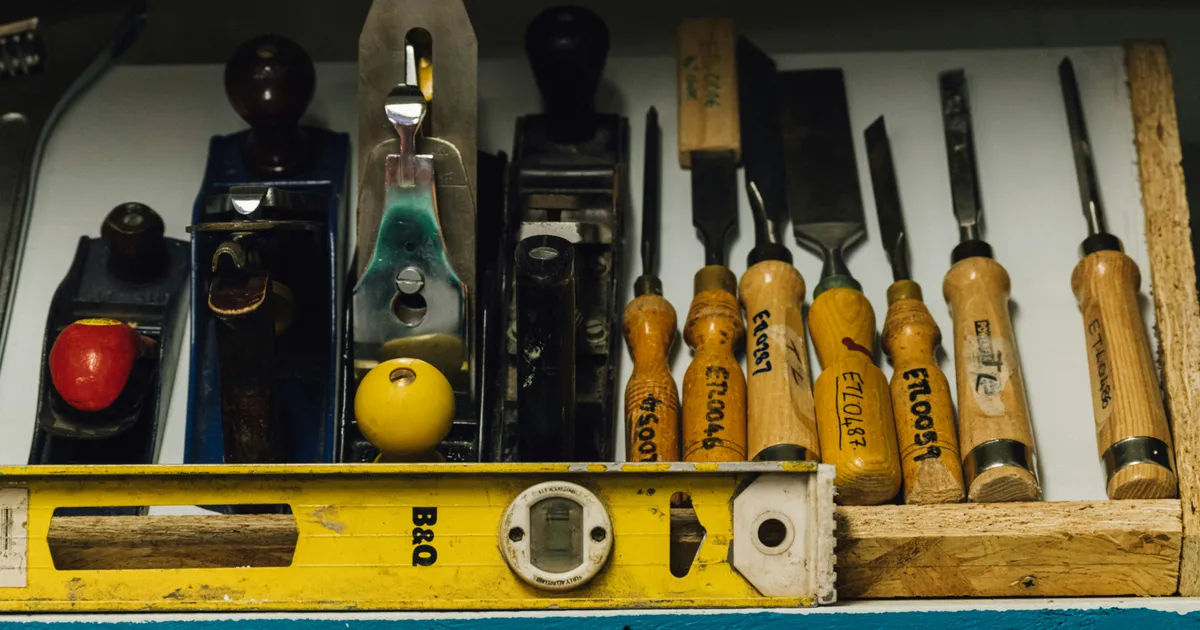
The foundation of any successful home improvement project begins with a core set of hand tools designed for longevity and precision. In 2026, the industry standard has shifted toward high-strength composite materials that offer superior grip and weight distribution, reducing fatigue during extended work sessions. A high-quality tape measure, a magnetic-tip screwdriver set, and a reliable utility knife are the non-negotiables for any starter kit. These items serve as the primary interface between your vision and the physical material, making the precision of your initial measurements the most critical factor in project success. Opting for reputable brands ensures that measurements remain consistent and that blades hold their edge through rigorous daily use.
- Cordless vs Corded Power Tools Comparison for Home Use
- Best Power Tools for Home Repairs: Performance Benchmarks Revealed
- Microwave Not Heating Efficiently? Technical Repair & Troubleshooting Guide
- Budget vs. premium power tools: A real-world durability and performance deep dive
- How to fix common household electronics: A stress-free troubleshooting guide for beginners
Beyond the basics, a well-calibrated bubble level and a sturdy claw hammer are indispensable for structural alignment and fastener management. When selecting these, prioritize tools that feature ergonomic rubberized grips, as these significantly mitigate the risk of strain during repetitive motions. Modern advancements have also introduced integrated lighting features into hand tools, which assist immensely when working in low-light environments such as basements or interior cabinets. By building your toolkit with these high-performance staples, you create an environment where focus remains on technique rather than equipment failure. Remember that in the world of DIY, the quality of your finish is often a direct reflection of the quality of your instruments.
Comparison Table / Specifications Table
| Feature | Cordless Drill Kit | Multi-Tool Oscillating | Hand Tool Starter Set |
|---|---|---|---|
| Primary Use | Fastening and Drilling | Precision Cuts and Sanding | General Assembly |
| Power Source | 20V Lithium-Ion Battery | Corded or 18V Battery | Manual Labor |
| Weight | 3.5 Pounds | 2.8 Pounds | Varies by Item |
| Versatility | High | Extreme | Moderate |
| Learning Curve | Beginner Friendly | Intermediate | Low |
| Maintenance | Battery Cycle Care | Blade Replacement | Cleaning/Lubrication |
Pros and Cons Analysis
Understanding the trade-offs in modern hardware is crucial for any beginner. Cordless power tools, for instance, offer unparalleled mobility, allowing users to maneuver around tight spaces without the obstruction of power cords. However, these tools require a commitment to a specific battery ecosystem, which can represent a significant upfront investment. On the positive side, the standardization of batteries across 2026 product lines means that one set of power cells can often drive a drill, a saw, and a work light simultaneously. This modularity reduces clutter and ensures that you always have a charged unit ready for the next phase of your renovation.
Conversely, the primary drawback of beginner-level power equipment is the potential for over-reliance on technology at the expense of fundamental manual skills. Relying solely on impact drivers can lead to stripped screws or damaged material if the user does not understand the nuance of torque control. Furthermore, cheaper entry-level tools often lack the refined motor shielding found in professional units, which can lead to shorter lifespans if exposed to heavy dust or moisture. Balancing these pros and cons requires a pragmatic approach where you invest heavily in the tools you use most frequently while opting for cost-effective, durable alternatives for secondary tasks that require less intensity.
The Power of Cordless Systems
Navigating Battery Ecosystems
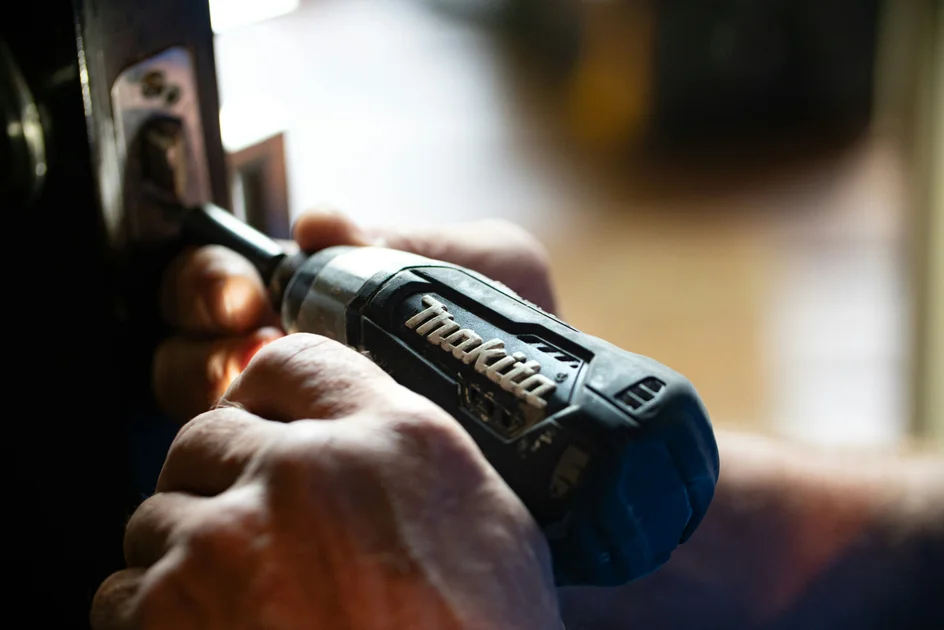
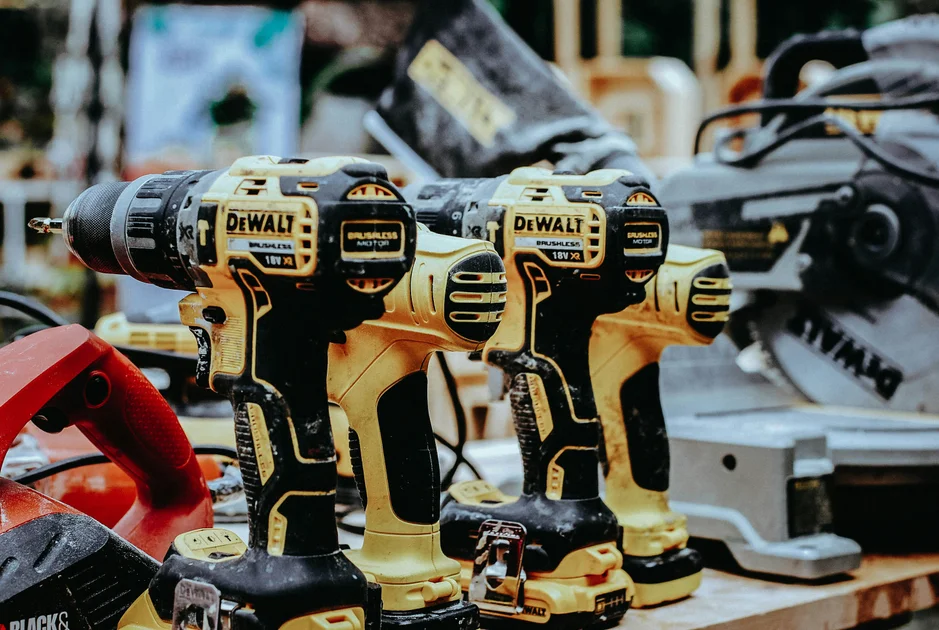
In 2026, the industry has reached a peak in battery efficiency and charging speed. For the beginner, choosing a reputable brand ecosystem is more important than selecting a single tool. When you purchase a drill or driver from a major manufacturer, you are buying into a platform that will support your future growth. These systems now feature advanced thermal management, preventing the batteries from overheating during intense projects like installing deck boards or heavy shelving. This technological maturity means that beginner tools now perform with the reliability previously reserved for industrial-grade equipment, providing a seamless experience for those just starting their DIY journey.
Integration is the hallmark of modern home improvement. Many manufacturers now offer Bluetooth-enabled battery monitoring, allowing users to check charge levels and motor diagnostics directly from their smartphones. While this might sound excessive for a simple shelf-building project, it provides invaluable data for beginners learning to optimize their workflow. Understanding how long a battery lasts under a specific load teaches efficiency and planning. By treating your tools as a connected system, you can reduce project downtime and ensure that your focus remains sharp, ultimately leading to higher quality results in every renovation you undertake this year.
Safety Protocols for Beginners
Safety is the most critical aspect of home improvement that often goes overlooked by novices. Regardless of the project size, personal protective equipment must be the first thing you purchase. High-impact safety glasses, hearing protection, and durable gloves are not optional accessories; they are the baseline requirements for maintaining your well-being. In 2026, safety gear has become remarkably comfortable, with breathable fabrics and lightweight frame designs that make it easy to wear these items for hours without discomfort. Ignoring these precautions can lead to life-changing injuries, which is why professional contractors emphasize safety culture above all else in their workshops.
Furthermore, understanding the specific safety features of your power tools is essential. Modern drills and saws come equipped with electronic brakes and anti-kickback sensors that drastically reduce the risk of accidents during operation. As a beginner, you should spend time reading the manufacturer’s manual to understand exactly how these features function. Practice using your tools on scrap wood before moving to your finished project, allowing yourself to get a feel for the power and torque. Developing a healthy respect for your equipment is a sign of a mature DIY professional who values long-term results over rushed, dangerous work.
Maintenance and Long-term Care
The longevity of your home improvement tools depends entirely on how you treat them between projects. After every use, take a few minutes to wipe down your tools with a clean cloth to remove dust and debris that could accumulate in the motor vents or moving parts. For metal tools, a light application of machine oil can prevent rust, especially if you live in a humid climate. Storing your tools in a dry, climate-controlled environment will protect the internal electronics and battery contacts from corrosion, ensuring that your investment remains functional for years to come. A organized storage solution, such as a wall-mounted rack, also helps in quickly identifying missing items.
Periodically inspecting your tools for signs of wear is also a best practice. Check power cords for fraying, ensure that drill chucks still grip bits securely, and verify that all safety guards move freely without sticking. If a tool begins to vibrate excessively or produces an unusual odor, discontinue use immediately and consult the manufacturer’s warranty department. Many brands now offer extended warranties for users who register their products online, which is a simple step that provides peace of mind. By establishing a consistent maintenance routine, you transform your tools from disposable commodities into reliable assets that serve as the foundation of your home maintenance capabilities.
Key Takeaways
- Prioritize investing in a singular battery ecosystem to ensure cross-compatibility between all your power tools.
- Always wear professional-grade eye and ear protection regardless of how small or simple the DIY task may seem.
- Read the tool manufacturer manuals in full to understand safety features like anti-kickback and electronic braking.
- Clean and store your tools in a dry, organized environment to prevent rust and internal electronic degradation.
- Practice on scrap materials to master torque and speed control before starting work on your actual home projects.
- Register your tools online to take advantage of extended warranties and manufacturer support programs in 2026.
Frequently Asked Questions
What is the most important tool for a beginner?
A cordless drill-driver is universally considered the most essential tool because it handles the widest variety of tasks, from assembling furniture to hanging decor, with minimal complexity.
Should I buy corded or cordless tools?
For most beginners in 2026, cordless tools are superior due to their portability and the high performance of modern lithium-ion batteries, which outperform older corded models in most home applications.
How do I know which battery system to choose?
Research the major brands available at your local hardware store and choose one that offers a wide range of tools—saws, lights, sanders—that all share the same battery platform.
How often should I clean my power tools?
You should perform a quick wipe-down after every use and a more thorough inspection every few months to clear out dust and ensure that all moving parts are functioning smoothly.
Is it worth buying professional-grade tools as a beginner?
While you do not need industrial-level equipment, purchasing mid-tier professional tools is a better long-term investment than buying the cheapest options, as they offer better durability and safety.
Conclusion
Embarking on your DIY journey in 2026 is an empowering experience that rewards both patience and proper preparation. By focusing on high-quality basics, adhering to rigorous safety standards, and maintaining your equipment with care, you can tackle a vast array of home improvement projects with confidence. Remember that the best tools are those that allow you to work accurately and safely, turning your creative ideas into tangible results. With the right foundation in place, you are well-equipped to enhance your living space and develop a skill set that will benefit your home for many years.