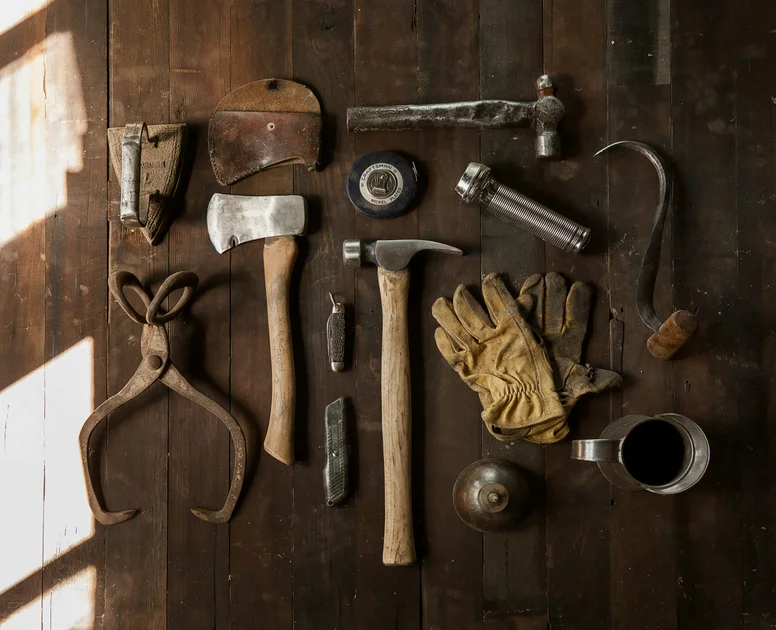

Investing in reliable home repair equipment is a foundational step for any homeowner in 2026 who wishes to maintain property value while fostering self-sufficiency. As domestic infrastructure becomes more complex with the integration of smart home systems and advanced material science, the tools required for routine maintenance and emergency interventions have evolved significantly. A high-quality toolkit is no longer just a collection of manual implements; it is a curated suite of precision instruments designed to handle everything from structural integrity checks to electrical troubleshooting. By prioritizing durability, ergonomic design, and versatility, you ensure that your investment pays dividends through reduced contractor costs and improved household safety. This guide provides a comprehensive framework for selecting the professional-grade gear necessary to navigate modern home maintenance with confidence and technical precision.
Understanding Tool Durability Standards
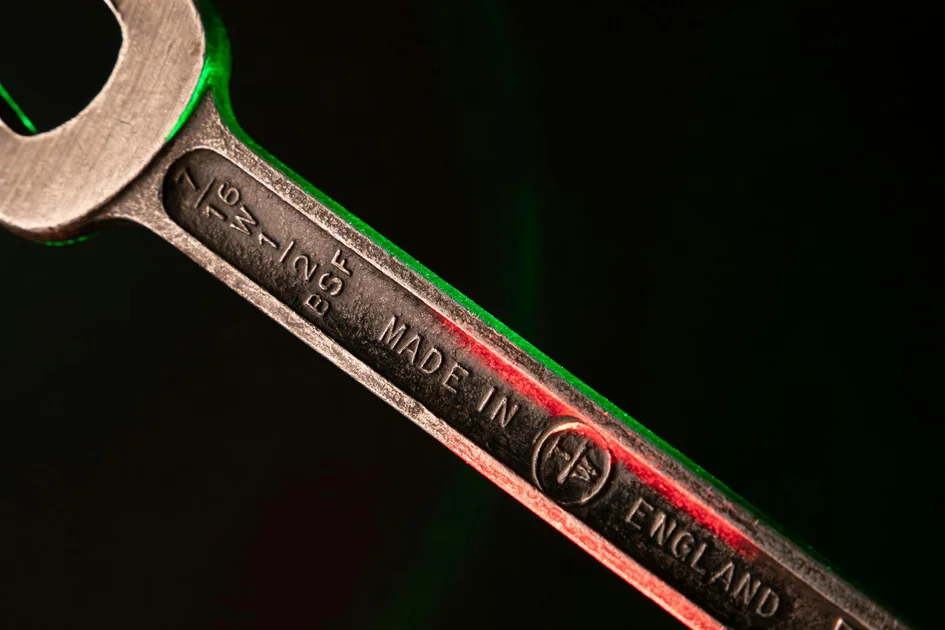
When evaluating the longevity of home repair equipment, one must prioritize materials that withstand high-torque applications and moisture exposure. In 2026, the industry standard for hand tools has shifted toward high-carbon steel alloys treated with anti-corrosive coatings like black oxide or chrome-vanadium plating. These materials offer superior resistance to the oxidation that typically plagues tools stored in humid garages or basements. Furthermore, modern manufacturing processes now utilize drop-forged techniques to eliminate internal weaknesses, ensuring that wrenches and pliers do not shear under extreme pressure. Selecting tools built to these rigorous specifications guarantees that your equipment remains functional across decades of service rather than requiring frequent replacement due to material fatigue.
- Smart appliance buying guide: What to look for before upgrading your modern kitchen
- Appliance Feature Comparison: Make Informed Buying Decisions
- Best Power Tools for Home Repairs: Performance Benchmarks Revealed
- Appliance Maintenance Checklist for Longer Product Lifespan
- Washing Machine Drum Malfunction: Diagnosis & Repair Solutions
Beyond material composition, the ergonomic architecture of a tool plays a vital role in its long-term reliability. Advanced vibration-dampening polymers used in handle construction reduce user fatigue and prevent the micro-fractures often caused by repetitive impact work. Professional-grade tools often feature molded, slip-resistant grips that remain stable even when exposed to oil or grease. This focus on human-centric engineering not only protects the user from injury but also prevents the tool from sustaining damage due to accidental drops. When purchasing, look for certifications from regulatory bodies such as the American National Standards Institute (ANSI) to ensure that your equipment meets the safety benchmarks required for high-intensity residential repair work.
Comparison Table / Specifications Table
| Feature | Professional Grade | Entry Level | Verdict |
|---|---|---|---|
| Material Composition | Chrome Vanadium Steel | Carbon Steel | Pro Grade Wins |
| Torque Rating | High Intensity Max | Standard Household | Pro Grade Wins |
| Handle Ergonomics | Vibration Dampening | Hard Plastic | Pro Grade Wins |
| Warranty Period | Lifetime Limited | One Year | Pro Grade Wins |
| Corrosion Resistance | Multi-Layer Chrome | Thin Zinc Plate | Pro Grade Wins |
| Manufacturing Process | Drop-Forged | Cast Metal | Pro Grade Wins |
Pros and Cons Analysis
Investing in professional-grade home repair equipment offers substantial benefits, primarily centered on reliability and performance. The primary advantage is the significantly longer lifespan of the tools, which often come with lifetime warranties that provide peace of mind. High-quality tools provide better precision, which is critical when working with modern, delicate smart home fasteners or complex plumbing fittings that require exact torque settings. Furthermore, these tools are designed to maintain their calibration over time, ensuring that your measurements and adjustments remain accurate even after years of use. This consistency is essential for maintaining the structural integrity of your home and avoiding costly repairs caused by improper installation.
However, there are notable drawbacks to consider when curating a premium collection. The most obvious factor is the higher initial cost, which can be prohibitive for those managing limited budgets. Professional equipment is also frequently heavier and bulkier than consumer-grade alternatives, which can make storage in smaller urban homes more challenging. Additionally, there is a learning curve associated with advanced diagnostic tools, such as digital multimeters or thermal imaging cameras, which may require specific technical knowledge to operate effectively. Balancing these pros and cons requires a realistic assessment of your own repair frequency and the complexity of the tasks you intend to undertake regularly.
The Evolution of Power Tools
Advancements in Battery Technology
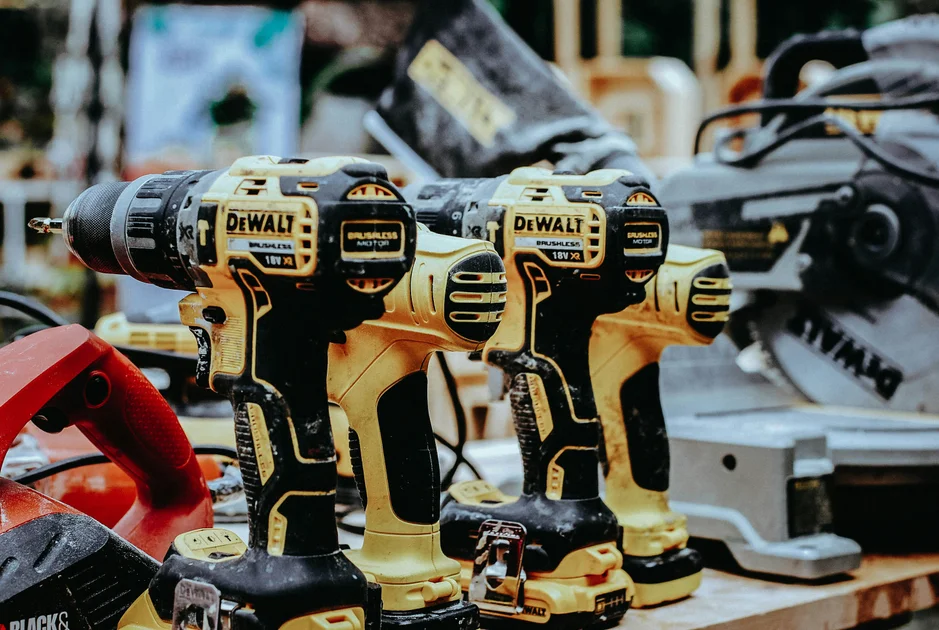
The 2026 landscape for cordless power tools is dominated by high-density lithium-ion platforms that offer power-to-weight ratios previously reserved for industrial construction machinery. Modern battery packs now integrate intelligent power management systems that optimize voltage delivery based on the specific load, preventing overheating and extending the lifespan of the tool motor. This shift toward smart batteries means that a single pack can often power an entire suite of tools, from impact drivers to oscillating multi-tools, without significant performance degradation. As power efficiency increases, the need for corded equipment in residential settings has diminished, allowing for greater mobility and safety during complex repair projects.
Motor technology has also seen a significant leap with the widespread adoption of brushless motors. Unlike traditional brushed motors that rely on physical contact to generate rotation, brushless systems utilize electronic controllers to manage the magnetic field, resulting in less friction and heat. This technological advancement translates directly into longer run times and a significantly reduced maintenance schedule for the tool owner. When selecting your power tool ecosystem, ensure that the brand offers a wide range of compatible tools to protect your long-term investment in battery technology. Researching industry trends via resources like NPR’s technology archives can provide deeper context on how these efficiency standards impact consumer goods.
Essential Diagnostic Equipment
Reliable home repair often begins with accurate diagnosis, necessitating a suite of non-invasive testing tools. In 2026, the essential toolkit includes a high-resolution digital multimeter for electrical troubleshooting, a non-contact voltage tester, and an infrared thermal imaging camera. These devices allow homeowners to identify hidden issues, such as electrical shorts or insulation gaps, before they manifest as critical failures. By utilizing non-invasive diagnostic tools, you can pinpoint the exact source of a problem without resorting to destructive methods like cutting into walls, which significantly reduces the time and cost associated with repairs.
Beyond electrical and thermal diagnostics, precision measuring tools are non-negotiable for structural work. Digital laser measures have largely replaced traditional tape measures for interior renovations due to their millimeter-level accuracy and integrated Bluetooth connectivity, which allows for seamless data transfer to home planning software. When selecting these digital tools, prioritize models with high IP ratings for dust and water resistance, as these are frequently used in environments where debris is common. Maintaining a high standard for your diagnostic equipment ensures that your repair process is data-driven, minimizing guesswork and maximizing the probability of a successful, long-lasting fix.
Proper Tool Maintenance Strategies
Even the highest quality equipment requires a systematic maintenance regimen to remain in peak condition. For mechanical tools, this involves regular cleaning to remove dust and debris, followed by the application of a light machine oil to prevent oxidation on moving parts. For power tools, it is essential to keep ventilation ports clear to prevent motor burnout and to store batteries in temperature-controlled environments to maintain charge capacity. Establishing a dedicated storage system, such as a modular tool chest with foam inserts, prevents tools from clashing and dulling blades, which is a frequent cause of premature tool failure in residential garages.
Regular calibration checks for torque wrenches and digital measuring devices are also vital. Over time, physical stress and electronic drift can render these tools inaccurate, leading to potentially hazardous outcomes during home repairs. Many professional-grade tool manufacturers offer calibration services, or you can invest in precision calibration weights and reference blocks for home verification. By treating your tools with the same level of care you apply to your home, you extend the utility of your collection and foster a deeper understanding of the mechanical systems you are maintaining. For further reading on tool safety and maintenance, consult resources such as the Consumer Reports database for current ratings.
Key Takeaways
- Prioritize high-carbon steel and drop-forged manufacturing for maximum tool longevity.
- Adopt a unified cordless battery platform to optimize efficiency and reduce long-term costs.
- Utilize non-invasive diagnostic tools to identify problems before they become structural failures.
- Implement a consistent maintenance schedule including cleaning and calibration checks.
- Invest in ergonomic designs to minimize user fatigue and prevent accidental damage.
Frequently Asked Questions
Why is drop-forged steel better than cast metal for tools?
Drop-forged steel is compressed under extreme pressure, which aligns the grain structure of the metal, making it significantly stronger and more resistant to impact than cast metal, which can contain air bubbles and structural weaknesses.
How often should I calibrate my digital measuring tools?
For standard home use, calibrating your laser measures and digital levels once every twelve months is sufficient, unless the tool has been dropped or exposed to extreme temperature fluctuations, which warrants an immediate check.
Are brushless motors worth the extra cost?
Yes, brushless motors are highly recommended because they produce less heat, require less maintenance, and offer significantly longer battery run times compared to traditional brushed motors, making them the superior choice for 2026.
What is the most important feature in a home multimeter?
The most critical feature is the True RMS (Root Mean Square) capability, which ensures accurate measurements even when dealing with non-sinusoidal electrical signals, providing reliable data for modern smart home circuits.
How should I store my tools to prevent rust?
Store your tools in a dry, climate-controlled environment, preferably in a steel chest with silica gel desiccant packs to absorb moisture, and ensure they are cleaned of sweat and debris after every use.
Conclusion
Selecting reliable home repair equipment is a strategic endeavor that requires balancing material quality, technological integration, and ergonomic necessity. By adhering to the standards of 2026, homeowners can build a robust foundation of tools that will serve them faithfully for years to come. Whether you are performing routine maintenance or undertaking a complex renovation, the right equipment acts as an extension of your expertise, allowing for precision and efficiency in every task. Remember that the value of your toolkit is defined not by its size, but by the reliability and accuracy of the instruments you choose to include. Invest wisely, maintain diligently, and enjoy the lasting benefits of a well-equipped home.