DIY home repair mistakes that can lead to costly damage represent a significant financial risk for modern homeowners navigating the 2026 real estate landscape. While the allure of saving money through weekend projects is undeniable, the hidden complexities of structural integrity, electrical load, and plumbing pressure often turn minor maintenance tasks into catastrophic failures. As a senior product analyst, I have observed that the primary driver of these failures is not a lack of effort, but a fundamental misunderstanding of building codes and material compatibility. Without professional oversight, even simple renovations can trigger insurance claim denials or necessitate expensive remediation efforts that far exceed the initial cost of hiring a licensed contractor to perform the work correctly the first time.
The Peril of Improper Electrical Work
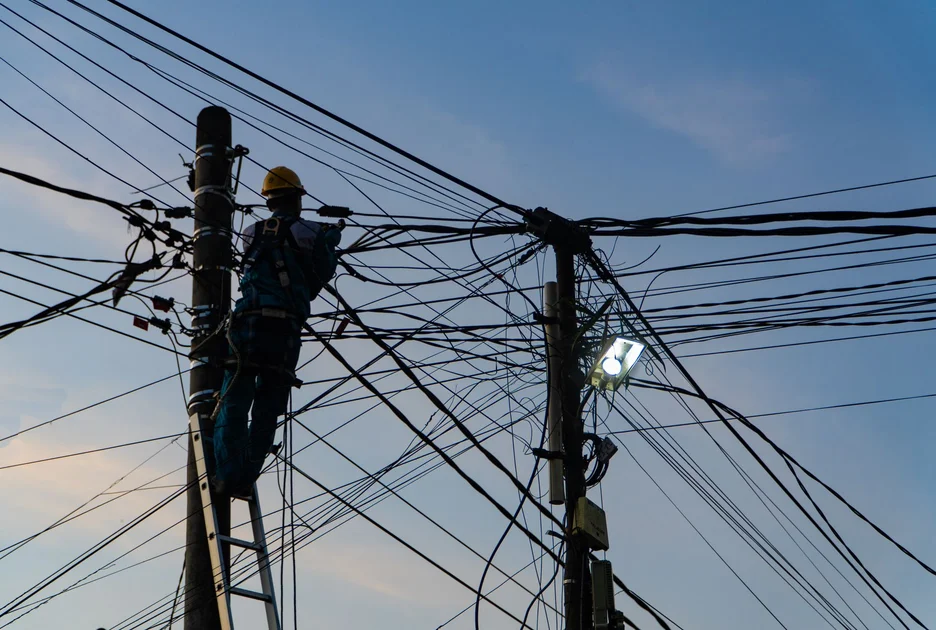
Electrical modifications remain the most hazardous area for amateur home improvers in 2026. The common misconception that swapping a light fixture or installing a smart outlet is a trivial task ignores the critical importance of circuit capacity and wire gauge standards. When homeowners fail to account for the total amperage draw on a specific branch circuit, they invite the risk of overheating wires, which is a leading cause of residential fires. Furthermore, the use of incorrect wire nuts or loose connections inside junction boxes often creates arcing hazards that may remain undetected until a major failure occurs behind the walls.
- Washing Machine Troubleshooting Tips for Common Issues
- DIY Appliance Repair: Simple Workflow for Non-Tech Users
- The ultimate preventative maintenance checklist to double your home appliance lifespan
- Why Is My Fridge Not Cooling? Failure Analysis & Repair Standards Guide
- Appliance Maintenance Checklist for Longer Product Lifespan
Beyond the immediate fire danger, amateur electrical work creates a massive liability during future property inspections. Modern home inspection technologies have become significantly more sophisticated by mid-2026, allowing inspectors to identify non-compliant wiring configurations using thermal imaging and circuit analyzers. When an inspector flags unpermitted or substandard electrical work, the homeowner is often forced to hire a master electrician to perform a complete tear-out and replacement. This corrective process often requires damaging drywall and finished surfaces to access the improper wiring, turning a fifty-dollar DIY project into a multi-thousand-dollar renovation nightmare that could have been avoided entirely.
Plumbing Mishaps and Water Damage
Plumbing projects represent the second most common source of DIY-induced property damage. The primary error involves the incorrect use of pipe fittings and sealing materials, such as applying standard thread tape on compression fittings or failing to properly deburr PVC piping. These minor oversights often result in slow, insidious leaks that occur within wall cavities or under cabinetry. By the time the moisture is detected through visible mold growth or warped flooring, the structural integrity of the surrounding wood framing may already be compromised, necessitating expensive remediation and professional water mitigation services.
Understanding Pressure Ratings
Another frequent error involves ignoring the pressure ratings of various plumbing components. Installing residential-grade PEX fittings in a high-pressure main line or using incompatible transition couplings between copper and galvanized steel leads to galvanic corrosion. In 2026, many smart home leak detection systems are being installed, but they cannot prevent a pipe burst caused by material fatigue or improper bonding. Homeowners must realize that plumbing systems operate as a holistic network, and introducing a single incompatible component can destabilize the pressure balance across the entire house, leading to burst pipes or persistent fixture drips that drive up monthly utility costs.
Structural Integrity and Load Bearing
The trend of open-concept living has led many homeowners to attempt the removal of walls without consulting a structural engineer. This is perhaps the most dangerous DIY mistake possible. A wall that appears non-load-bearing may actually support the weight of a roof truss or a floor joist above it. When these elements are removed or compromised, the structure begins to sag, causing drywall cracks, door frame misalignment, and potential ceiling collapse. In 2026, building departments are increasingly strict about requiring engineered drawings for any interior wall modifications, and bypassing this process is a direct violation of safety codes.
Even when a wall is confirmed to be non-load-bearing, the impact on the HVAC and electrical systems can be severe. Interior walls frequently house return air ducts or critical electrical conduit runs that serve the upper floors. Cutting through these hidden utilities without proper rerouting plans can render an entire climate control system inefficient or leave portions of the home without power. When structural modifications are performed poorly, the resale value of the home drops significantly, as savvy buyers will demand substantial credits to cover the cost of correcting the structural deficiency and restoring the building to code compliance.
Comparison Table / Specifications Table
| Feature | Professional Repair | Amateur DIY | Long-Term Outcome |
|---|---|---|---|
| Permit Compliance | Guaranteed adherence | Often ignored | Code compliance vs liability |
| Material Grade | Industrial/High-spec | Big-box standard | Durability vs failure rate |
| Warranty Coverage | Transferable warranty | None or voided | Peace of mind vs risk |
| Insurance Impact | Validates coverage | May void claims | Financial protection |
| Completion Time | Efficient/Predictable | Prolonged/Variable | Opportunity cost |
| Resale Value | Maintained/Increased | Diminished/Flagged | Asset appreciation |
Cost & Pricing Breakdown
Understanding the financial implications of DIY versus professional intervention is essential for budget management in 2026. While DIY is often marketed as a cost-saving measure, the hidden costs of failure often include emergency service fees, material waste, and the necessity of hiring professionals to fix the damage. For instance, a professional bathroom renovation might cost between 15,000 and 30,000 dollars, ensuring all plumbing and waterproofing meet industry standards. Conversely, a failed DIY attempt might cost 5,000 dollars in materials initially, followed by 10,000 dollars in emergency plumbing repairs and 10,000 dollars in mold remediation. Professional services usually offer tiered pricing based on project scale, whereas DIY costs are frequently unpredictable, often exceeding the original budget by thirty to forty percent due to unforeseen complications.
Key Takeaways
- Always verify whether your local building department requires permits before beginning any home renovation project.
- Understand that improper electrical and plumbing work can invalidate your homeowner insurance policy during a claim.
- Consult with a licensed structural engineer before attempting to remove or alter any interior walls.
- Recognize that the cost of professional remediation for failed DIY projects is almost always higher than the initial cost of professional installation.
- Prioritize the use of code-compliant materials over the cheapest available options found at retail outlets.
- Maintain a detailed file of all professional work performed, including receipts and inspection approvals, to maximize property value.
Frequently Asked Questions
Is it safe to DIY electrical work if I watch online tutorials?
While tutorials provide basic knowledge, they cannot replace professional training regarding local codes, load calculations, and safety requirements. Improper work poses a lethal fire risk and is rarely covered by insurance.
Can I remove a wall myself if I think it is not load-bearing?
You should never assume a wall is non-load-bearing. Even interior walls can transfer loads from roof systems; always consult a structural engineer to avoid catastrophic settling or collapse.
How do I know if my plumbing repair is up to code?
Code compliance requires specific pipe materials, venting configurations, and pressure testing. Hiring a licensed plumber ensures the work meets the standards required for your specific municipality.
Does DIY work negatively affect my home insurance?
Yes, if a fire or water damage event is traced back to non-compliant DIY work, insurance companies may deny your claim, leaving you responsible for the entire cost of repairs.
What is the biggest risk with DIY HVAC modifications?
Modifying HVAC systems without expertise can lead to dangerous carbon monoxide leaks, inefficient operation, and significant damage to the blower unit or heat exchanger, which are extremely costly to replace.
Conclusion
The decision to undertake home repairs is a balance between the desire for self-sufficiency and the necessity of maintaining a safe, valuable asset. By 2026, the complexity of modern home systems makes it increasingly risky to bypass professional expertise for critical repairs. While minor aesthetic tasks are suitable for the DIY enthusiast, structural, electrical, and plumbing work requires the precision and certification of licensed professionals. Investing in qualified labor not only protects your family and your property but also ensures that your home remains a appreciating asset rather than a source of recurring financial and safety liabilities.