Common refrigerator problems and simple troubleshooting steps are essential knowledge for the modern homeowner in 2026, as appliance longevity remains a top priority for sustainable living. As a senior product analyst, I have observed that most cooling failures originate from minor maintenance oversights rather than catastrophic component failure. Whether you are dealing with a fluctuating internal temperature, excessive frost buildup, or unusual mechanical noises, understanding the core anatomy of your cooling system can save you significant time and costly service fees. By systematically evaluating the electrical supply, airflow efficiency, and thermal seals, you can resolve the majority of domestic appliance issues without professional intervention. This guide provides a professional framework for diagnosing issues, ensuring your investment remains operational through the peak summer months of 2026.
Diagnostics and Maintenance Fundamentals
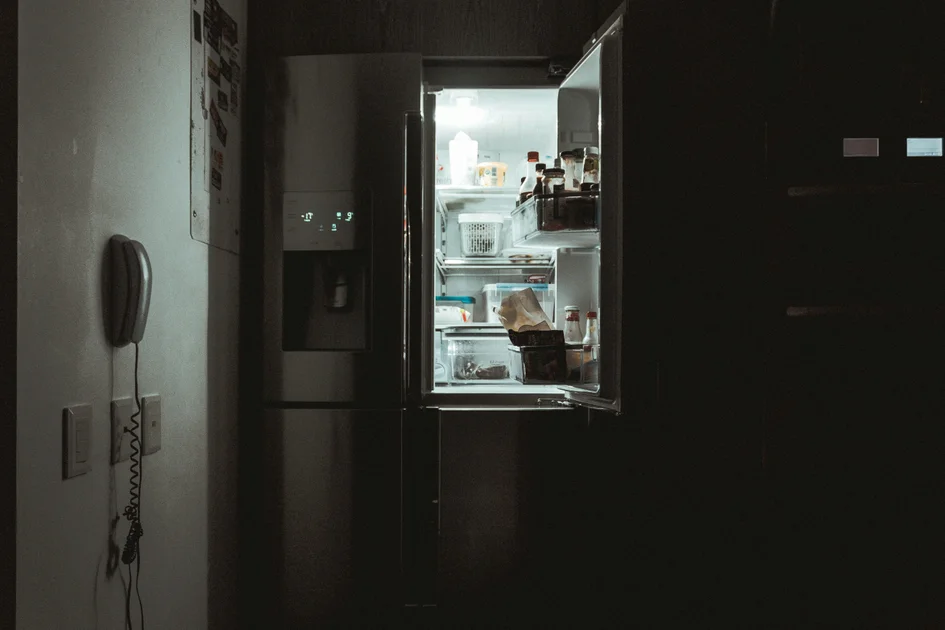
The first step in any diagnostic procedure involves verifying the power integrity of your unit. Many users mistakenly assume their compressor has failed when the underlying issue is merely a tripped circuit breaker or a loose power cable. You should inspect the wall outlet to ensure it provides a steady current, especially if the refrigerator is plugged into a ground fault circuit interrupter that may have tripped during a power surge. Furthermore, checking the thermostat settings is a critical initial move, as accidental adjustments to the control panel often lead to improper cooling cycles. Always refer to the manufacturer manual for the specific calibration range recommended for your model.
- How to Maintain Household Appliances for Better Performance
- How to Compare Tool Features Before Making a Purchase
- Energy-efficient home appliances: A homeowner's guide to lowering monthly utility bills
- The ultimate preventative maintenance checklist to double your home appliance lifespan
- How to Choose the Right Power Tools for Home Repairs
Beyond electrical inputs, airflow management is paramount for refrigerator health. In 2026, most high-efficiency models rely on precise air circulation patterns to maintain consistent temperatures across all compartments. If you overload the shelves, you effectively block the vents that facilitate this movement, leading to uneven cooling and potential ice accumulation near the rear walls. Periodically cleaning the condenser coils is equally vital, as dust accumulation acts as an insulator, forcing the compressor to work harder to dissipate heat. A simple vacuuming of the coil area every six months will drastically extend the lifespan of your compressor and reduce overall electricity consumption.
Pros and Cons Analysis
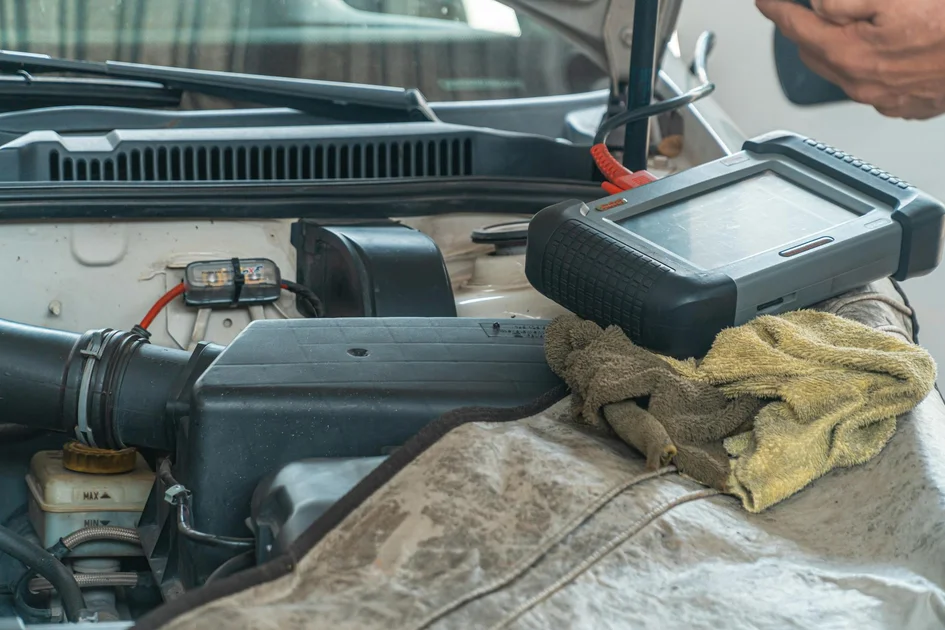
When analyzing refrigerator performance, one must weigh the benefits of advanced smart features against the simplicity of manual mechanical systems. Modern units offer incredible convenience through integrated Wi-Fi connectivity and internal cameras, which allow homeowners to monitor their inventory remotely via mobile applications. These features provide significant value by reducing food waste and alerting users to door-ajar events before they result in spoilage. However, this high level of integration introduces more points of failure, such as software glitches or sensor malfunctions, which are significantly more complex to repair than traditional mechanical thermostats.
Conversely, simpler manual appliances are praised for their robust durability and ease of maintenance. These units rarely suffer from software-related issues, making them the preferred choice for long-term reliability in rental properties or secondary kitchens. The primary drawback here is the lack of precision; without modern digital sensors, internal temperature fluctuations are more common, which may affect the shelf life of sensitive perishables. Balancing these trade-offs requires a clear understanding of your household needs, whether you prioritize cutting-edge technology or the straightforward, dependable nature of tried-and-tested cooling engineering.
Comparison Table and Specifications
| Feature | Mechanical Thermostat | Digital Smart Control | Verdict |
|---|---|---|---|
| Ease of Repair | High | Low | Mechanical is better for DIY |
| Temp Precision | Moderate | High | Digital provides better accuracy |
| Failure Points | Few | Many | Mechanical is more reliable |
| Energy Efficiency | Standard | Optimal | Digital leads in 2026 tech |
| Smart Features | None | Advanced | Digital offers more utility |
| Maintenance Cost | Low | High | Mechanical wins on cost |
Addressing Common Cooling Failures
Mechanical Noise Troubleshooting
Excessive noise is often the first indicator of a mechanical issue within your cooling system. If you hear a rhythmic rattling or clicking, the source is frequently the condenser fan or the evaporator fan motor. In many instances, this is caused by debris obstructing the fan blades or a bearing that has dried out after years of continuous operation. You can safely inspect these components by removing the rear access panel while the power is disconnected. If the fan blades are free of obstruction, the motor may require lubrication or a complete replacement to restore the unit to its original quiet operation.
Another common source of noise is the ice maker, particularly in units that have been recently connected to a water supply line. Water line vibrations or a faulty inlet valve can create startling sounds that mimic a failing compressor. It is advisable to shut off the water supply temporarily to see if the noise persists; if the sound ceases, you have isolated the issue to the plumbing components. Professional appliance repair resources like Repair Clinic provide detailed schematics that help you identify these specific parts, allowing you to perform a targeted repair rather than replacing the entire appliance.
The Importance of Thermal Seals
A compromised door gasket is a frequent culprit behind persistent frost buildup and inefficient cooling. The rubber gasket surrounding your refrigerator door must maintain a perfect seal to prevent ambient air from entering the cabinet. Over time, these seals can become brittle, cracked, or misaligned, allowing moisture to seep inside, which instantly turns into ice upon hitting the cold interior. You can test your seal by closing the door on a piece of paper; if you can pull the paper out with little to no resistance, the seal is no longer effective and requires immediate replacement to protect your food.
Neglecting a faulty gasket forces the compressor to run continuously in an attempt to compensate for the heat infiltration. This not only spikes your energy bill but also puts immense strain on the sealed system, which is the most expensive part of the refrigerator to repair. In 2026, most manufacturers produce modular gaskets that are easy to install without special tools. Simply cleaning the existing gasket with mild soap and water can sometimes restore its elasticity, but if the material has lost its shape, a replacement is the only viable long-term solution for maintaining thermal efficiency.
Preventative Maintenance Routines
Establishing a recurring maintenance schedule is the best defense against major appliance failure. By dedicating thirty minutes twice a year to cleaning your refrigerator, you prevent the accumulation of dust and grime that leads to overheating. Ensure the area around the base of the refrigerator remains clear of debris to allow for proper air circulation to the compressor compartment. Furthermore, checking the water filter every six months ensures that your ice and water remain clean, preventing the buildup of mineral deposits that can clog internal valves and cause pressure-related failures.
Lastly, monitoring the internal temperature with a standalone digital thermometer is a great way to verify the accuracy of your refrigerator’s control panel. Sometimes, the built-in sensors provide inaccurate readings due to food placement or internal sensor failure. By cross-referencing your settings with a reliable external device, you ensure that your perishables are kept within the safety zone of 35 to 38 degrees Fahrenheit. Following these simple habits, as recommended by industry standards like those found at Consumer Reports, will ensure your kitchen remains functional and efficient for the duration of your appliance’s life.
Key Takeaways
- Always verify power connections and circuit breakers before assuming a mechanical failure.
- Clean condenser coils every six months to optimize compressor efficiency and longevity.
- Check door gaskets regularly to ensure a tight seal and prevent frost buildup.
- Avoid blocking internal air vents with excessive food to maintain consistent cooling.
- Use an external thermometer to verify the accuracy of internal temperature settings.
- Address unusual noises immediately to prevent secondary damage to fan motors.
Frequently Asked Questions
Why is my refrigerator making a loud clicking sound?
Clicking usually indicates a failing start relay on the compressor or an issue with the ice maker valve attempting to cycle without water.
How often should I clean my condenser coils?
For most homes, cleaning the coils every six months is sufficient to prevent dust buildup and maintain peak cooling performance.
What should I do if the refrigerator is not cooling but the lights are on?
This suggests the power supply is intact, but the compressor or the thermostat may be malfunctioning; check your temperature settings first.
Can I replace the door gasket myself?
Yes, most modern door gaskets are designed for easy user installation and do not require professional tools or specialized knowledge.
Is it normal for a refrigerator to run continuously?
While modern units run longer than older models for efficiency, constant operation often points to a dirty coil or a failing door seal.
Conclusion
Maintaining your refrigerator in 2026 requires a proactive approach centered on routine inspection and simple diagnostic checks. By understanding the relationship between airflow, electrical integrity, and thermal seals, you can effectively mitigate the common issues that lead to appliance downtime. While modern smart features offer convenience, the fundamental principles of refrigeration remain consistent. Implementing the maintenance steps outlined in this article will not only extend the lifespan of your appliance but also ensure your food remains safe and your energy costs stay manageable. Treat your refrigerator with care, and it will serve your household reliably for many years to come.