
Learning how to choose the right tools for your next major home renovation project is the foundational step toward ensuring your 2026 home improvement goals are met with precision, safety, and professional results. Whether you are knocking down walls, installing new hardwood flooring, or tackling a complete kitchen overhaul, the quality of your equipment dictates the efficiency of your workflow. Many DIY enthusiasts make the mistake of purchasing cheap, single-use items that fail halfway through a task, leading to frustration and unnecessary expenses. By evaluating your specific needs, understanding the difference between professional-grade gear and hobbyist alternatives, and prioritizing ergonomics, you can build a toolkit that empowers your vision. This comprehensive guide will navigate you through the complexities of procurement so you can renovate with confidence and authority.
Assess Your Renovation Scope
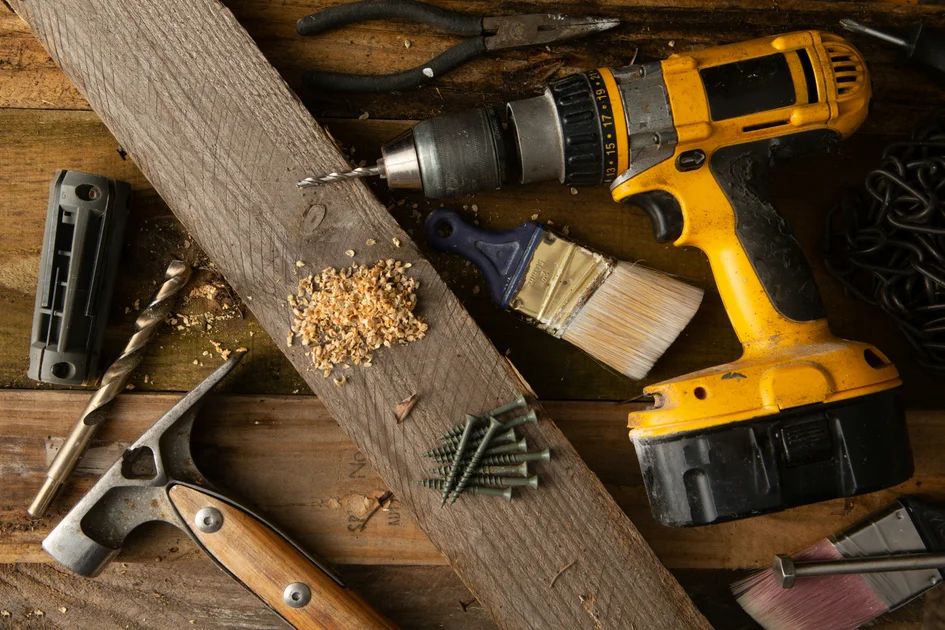
Before stepping into a hardware store or browsing online catalogs, you must conduct a detailed assessment of your project requirements. A minor cosmetic update, such as painting or replacing hardware, requires vastly different implements than a structural renovation involving plumbing or electrical work. Begin by listing every task involved in your 2026 renovation plan, categorizing them by trade type. This inventory helps identify overlap, where a single high-quality tool like a multi-tool or a robust cordless drill can serve multiple purposes, thereby optimizing your budget and storage space.
- Professional vs. DIY tools: Is it worth spending more for high-end home upgrades?
- How to fix common household electronics: A stress-free troubleshooting guide for beginners
- Budget vs. Premium Tools: Performance & Durability Deep Dive
- Appliance Feature Comparison: Make Informed Buying Decisions
- Air Conditioner Performance Degradation: Causes & Servicing Standards Explained
Understanding the complexity of your tasks allows you to distinguish between “must-have” heavy-duty equipment and “nice-to-have” specialty gadgets. For example, if you are installing cabinetry, a precision miter saw is non-negotiable for clean joints, whereas a heavy-duty pneumatic nailer might be an unnecessary luxury if you are only hanging a few boards. Researching the specific technical requirements for your materials—such as the hardness of your wood or the thickness of your drywall—ensures that you select tools with the appropriate torque, motor power, and blade compatibility to get the job done right the first time.
Corded vs Cordless Power Tools
The debate between corded and cordless tools remains a primary consideration for modern renovators. Cordless technology has seen massive advancements in 2026, with lithium-ion battery platforms now providing power outputs that rival traditional corded models. Cordless tools offer unparalleled mobility, allowing you to move freely around your workspace without being tethered to an outlet or managing tangled extension cords. This is particularly advantageous for exterior projects or work in confined spaces like crawlspaces and attics where electrical access is limited.
Conversely, corded tools remain the gold standard for long-duration, high-demand tasks where consistent power delivery is critical. If you are sanding large surfaces, cutting thick masonry, or working on a professional-grade workshop table, a corded tool ensures you never have to worry about battery depletion or downtime for recharging. Professionals often maintain a hybrid approach, utilizing cordless drills and drivers for assembly while relying on corded table saws or grinders for heavy material removal. By analyzing the frequency of use and the environment of your renovation, you can strike the perfect balance between convenience and sustained performance.
Comparison of Tool Categories
| Tool Category | Professional Grade | DIY/Hobbyist Grade | Best Use Case |
|---|---|---|---|
| Cordless Drills | Brushless, high torque | Brushed, entry-level | General assembly/framing |
| Miter Saws | Dual-bevel, laser guide | Single-bevel, fixed | Finish trim and molding |
| Sanders | Variable speed, dust extraction | Single speed, basic | Surface preparation/refining |
| Hand Tools | Forged steel, lifetime warranty | Cast alloy, limited warranty | Daily maintenance/minor tasks |
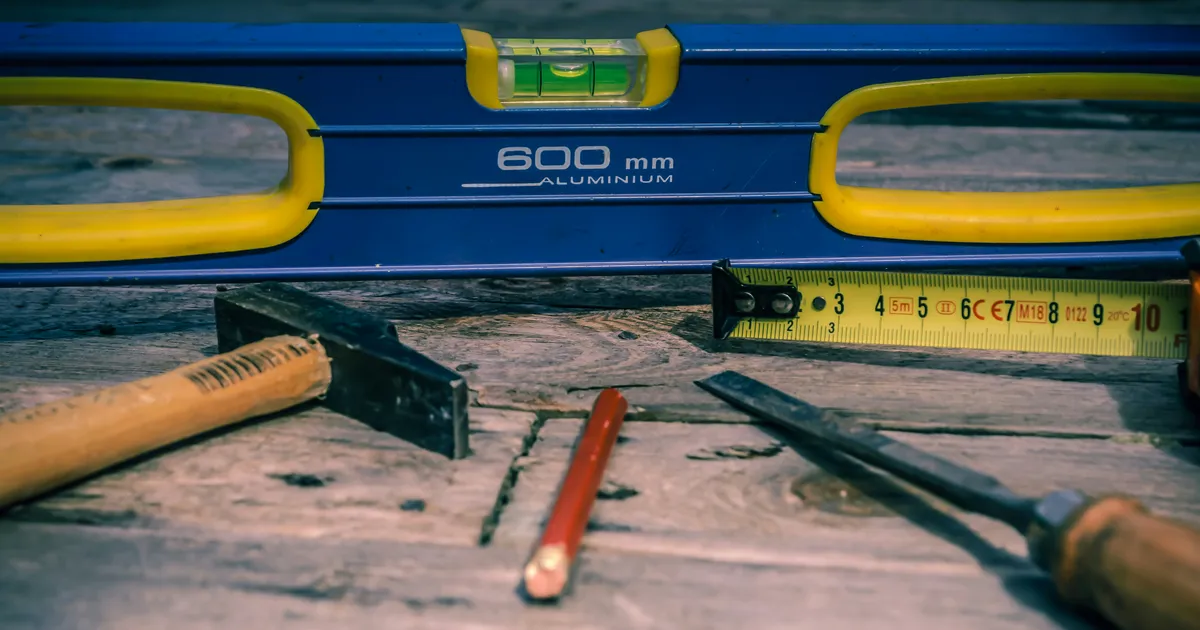
| Measuring | Digital laser, Bluetooth sync | Standard metal tape | Complex layout/floor planning |
Prioritizing Ergonomics and Safety
The Importance of Tool Weight and Grip
Ergonomics is often overlooked by beginners, yet it is a critical factor for long-term health and project consistency. When you are engaged in a major renovation, you will be holding tools for hours at a time, which can lead to fatigue, repetitive strain injuries, or poor craftsmanship due to shaky hands. Look for tools that feature vibration-dampening technology and rubberized, ergonomic grips that fit naturally in your palm. A well-balanced tool reduces the physical burden on your wrists and forearms, allowing you to maintain focus throughout the day.
Beyond comfort, safety features in 2026 models have reached new heights. Modern power tools often come equipped with automatic kickback brakes, soft-start motors, and superior dust collection systems that protect your lungs and eyes. Always prioritize gear that integrates these safety mechanisms to prevent accidents. Consulting resources like the Occupational Safety and Health Administration can provide further insights into proper tool handling techniques that keep you safe throughout your renovation journey.
Cost and Pricing Breakdown
Budgeting for a major renovation requires a strategic approach to tool acquisition. It is tempting to buy the cheapest option, but low-quality tools often break under pressure, leading to higher replacement costs and potential project delays. Instead, consider a tiered investment strategy where you prioritize high-performance tools for core tasks and economize on secondary items. For essential power tools, expect to pay a premium for brand-name ecosystem batteries and high-torque motors, as these represent your long-term assets.
- Essential Power Tools: $600–$1,200 (Drills, saws, sanders).
- Hand Tool Essentials: $200–$400 (Quality levels, hammers, squares).
- Safety Gear/PPE: $100–$200 (Respirators, glasses, gloves).
- Storage and Organization: $150–$300 (Tool chests, rolling bags).
- Rental Costs for Heavy Machinery: $50–$150 per day (Tile cutters, floor sanders).
Renting vs Buying Strategy
One of the most effective ways to manage your renovation budget is to determine which tools are worth owning and which are better off rented. If a tool is needed for a one-time structural task—such as a concrete mixer, a floor sander, or a heavy-duty demolition hammer—renting is almost always the more economical and practical choice. Renting allows you to access industrial-grade machinery that would cost thousands of dollars to purchase, without the burden of maintenance or long-term storage in your garage.
Ownership is best reserved for tools that you will use repeatedly throughout the project and long after the renovation is complete. Basic power tools, layout equipment, and hand tools fall into this category. By building a core collection of high-quality, versatile tools, you create a foundation for future home maintenance tasks. Always inspect rental equipment thoroughly before leaving the shop and ensure you understand the operation protocols to avoid unnecessary damage fees or safety risks during your project.
Key Takeaways
- Conduct a thorough project audit to identify essential vs specialty tools before purchasing.
- Prioritize brushless motor technology for cordless tools to ensure longevity and efficiency in 2026.
- Balance your budget by investing in quality power tools while renting heavy or one-time use machinery.
- Never compromise on safety; always choose tools with integrated kickback protection and dust management.
- Focus on ergonomic design to reduce fatigue and improve your overall craftsmanship during long renovation days.
Frequently Asked Questions
Should I buy a tool kit or individual tools?
Beginners often benefit from a starter kit, but experienced renovators usually prefer buying individual tools to ensure each piece meets specific power and quality requirements for their workflow.
Are brushless motors worth the extra cost?
Yes, brushless motors in 2026 offer significantly higher efficiency, longer battery life, and more torque compared to brushed alternatives, making them a superior long-term investment.
How do I maintain my power tools?
Regularly clean vents to prevent overheating, keep batteries stored in climate-controlled areas, and sharpen blades or bits frequently to reduce strain on the motor.
Can I use consumer-grade tools for professional work?
While consumer-grade tools are excellent for DIY, they lack the durability required for continuous, daily professional use; for major renovations, aim for mid-to-high-tier consumer brands.
How often should I replace my batteries?
Lithium-ion batteries typically last three to five years depending on usage cycles; store them at a partial charge rather than full or empty to extend their lifespan.
Conclusion
Choosing the right tools for your 2026 home renovation project is an investment in your home’s future and your own peace of mind. By carefully assessing your needs, prioritizing ergonomics, and strategically choosing between renting and owning, you ensure that every dollar spent contributes to a successful outcome. Remember that the best tool is one that matches your skill level and enhances your natural ability to create. With the right equipment in hand, you are well-prepared to tackle any challenge, turning your renovation vision into a stunning, professional-grade reality that adds lasting value to your home.