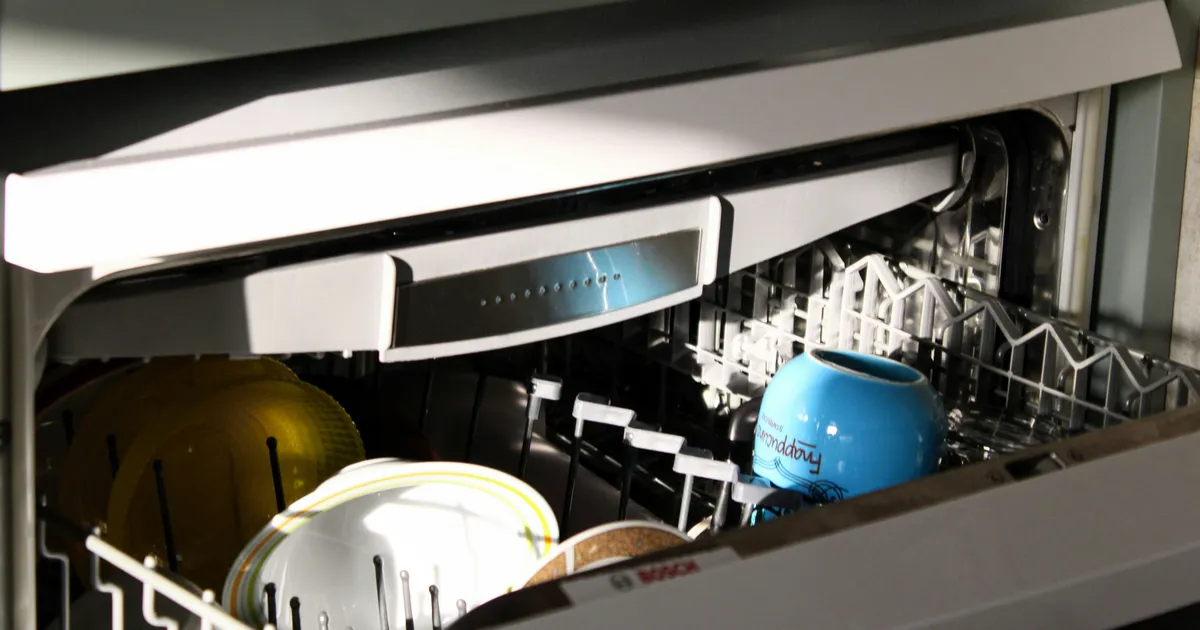
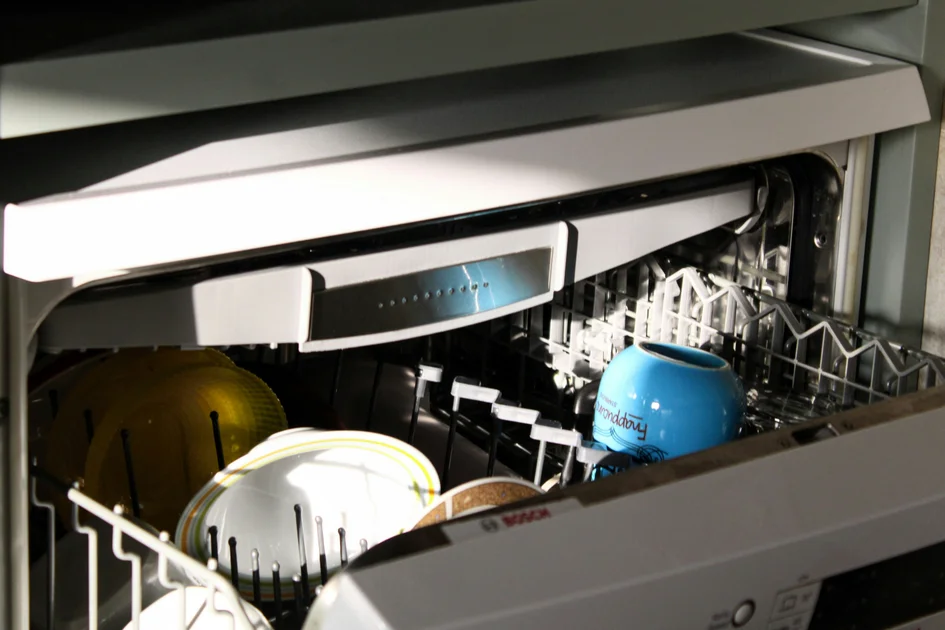
Dealing with a dishwasher not draining is one of the most frustrating household maintenance challenges homeowners face in 2026. When you open your appliance to find a pool of murky, stagnant water at the bottom, it usually indicates a blockage in the filtration system or a mechanical failure within the drainage pump. This issue often stems from debris buildup, such as food particles, grease, or small pieces of broken glass that obstruct the delicate pathways responsible for evacuation. Understanding the root cause of your drainage woes is the first step toward restoring your appliance to full functionality. By following this expert guide, you can identify whether you are dealing with a simple clog or a more complex motor fault, potentially saving hundreds of dollars in professional service fees while ensuring your kitchen remains sanitary and efficient.
Common Causes for Drainage Failures
The primary culprit behind a dishwasher not draining is typically an accumulation of organic debris within the filter housing. Over time, grease and food scraps solidify, creating a barrier that prevents water from flowing into the drainage hose. Modern dishwashers in 2026 feature sensitive sensors that trigger error codes when the pump detects resistance, often stopping the cycle mid-wash to prevent motor burnout. Checking the filter is the easiest diagnostic step, as it requires no specialized tools and addresses the most frequent source of the problem. If the filter appears clean, you must look deeper into the sump area, where small, hard objects like olive pits or plastic shards often get trapped, physically preventing the impeller from spinning correctly.
- Common Appliance Failures: Troubleshoot & Fix Them Fast
- How to check hand tool quality standards to ensure lifetime durability and safety
- The ultimate preventative maintenance checklist to double your home appliance lifespan
- Appliance Troubleshooting Made Easy: A Step-by-Step Guide for Beginners
- Advanced home repair tools: A complete guide to expert usage, safety, and techniques
Another common, yet often overlooked, cause is a kinked or obstructed drain hose. If your dishwasher was recently moved or if the under-sink plumbing was adjusted, the hose might have become pinched, significantly restricting water flow. Additionally, if you have a new garbage disposal installation, the knockout plug inside the disposal inlet might not have been removed, effectively sealing the dishwasher drain path. Inspecting these external connections is vital before assuming the pump itself has failed. Always ensure that the high loop or air gap is positioned correctly to prevent backflow from your sink drain into the appliance, which can mimic a drainage failure by keeping the machine perpetually full of gray water.
How to Inspect and Clean Filters
To begin the repair process, first power off your dishwasher at the circuit breaker to ensure complete electrical safety. Locate the filter assembly, which is typically situated at the bottom of the tub; most 2026 models allow for a simple twist-and-lift removal. Once removed, scrub the mesh with a soft-bristled brush and hot soapy water to dissolve stubborn grease films. It is essential to inspect the housing below the filter for any hidden debris that might have slipped past the mesh. Using a flashlight can help you spot small items that would otherwise remain invisible in the dark sump cavity. Many homeowners find that a thorough cleaning of this area restores drainage performance instantly.
Step-by-Step Filter Maintenance
Start by removing the bottom rack to gain clear access to the tub floor. Gently rotate the filter cap counter-clockwise until it releases, taking care not to force the plastic components if they feel stuck. Once the primary filter is out, you may find a secondary fine mesh screen or a cylindrical filter that requires rinsing. If you notice a foul odor, it is likely due to decaying food trapped in these crevices, so consider using a specialized dishwasher cleaner to sanitize the components. After scrubbing, ensure the filter is snapped firmly back into its original position. A loose filter can allow debris into the pump housing, leading to the very drainage pump faults you are trying to avoid.
Testing the Drainage Pump
If the filtration system is clear but the machine still retains water, the drainage pump may be faulty or obstructed by a jammed impeller. Accessing the pump usually requires removing the kickplate at the base of the appliance. Once the panel is off, locate the pump, which is typically a circular plastic component with electrical wires connected to it. By disconnecting the power and using a multimeter, you can check for continuity in the motor windings. If the motor shows no electrical resistance, it has likely burned out and needs a total replacement. For those looking for official repair manuals, the Repair Clinic database offers excellent diagrams for most 2026 appliance models.
Before replacing the pump, manually rotate the impeller to ensure it is not stuck. Sometimes, a piece of hard plastic or a bone fragment can become wedged between the blades, preventing the pump from starting even if the motor is healthy. If you can move the impeller freely but the pump still makes a grinding noise during the drain cycle, the internal bearings have likely failed. When replacing the pump, ensure the seals are properly seated to prevent leaks. Always use manufacturer-approved parts, as generic alternatives may not meet the pressure specifications required for efficient water evacuation in modern, high-performance dishwashers that rely on precise hydraulic pressure to operate.
Comparison Table / Specifications Table
| Component | Function | Maintenance Frequency | Replacement Urgency |
|---|---|---|---|
| Primary Filter | Traps food debris | Weekly | Low |
| Drain Hose | Channels water to sink | Bi-annually | Medium |
| Drain Pump | Evacuates water | As needed | High |
| Check Valve | Prevents backflow | Annually | Medium |
| Impeller | Propels water flow | N/A | Critical |
| Air Gap | Prevents contamination | Annually | Medium |
Quick Facts & Statistical Insights
Industry data from 2026 suggests that nearly 70 percent of all dishwasher drainage calls are resolved simply by cleaning the filter, not by replacing expensive mechanical parts. Furthermore, using too much detergent can create excessive suds, which trick the appliance sensors into thinking the drainage system is clogged, leading to unnecessary service appointments. Expert technicians recommend running a hot water cycle with white vinegar once a month to break down mineral deposits and grease buildup before they harden. Always ensure your garbage disposal is cleared before starting a wash cycle, as the two systems share a common drainage path in most residential kitchens.
Troubleshooting Plumbing Connections
External plumbing is frequently the silent enemy of proper dishwasher drainage. If your dishwasher is connected to a garbage disposal, the connection point is a common site for clogs. Over time, food waste from the sink can back up into the dishwasher drain hose, creating a stubborn blockage that is difficult to clear through the internal filters alone. Disconnect the hose from the disposal and inspect the port for any buildup. You may need to use a small wire brush or a pipe cleaner to clear the opening. If you notice persistent drainage issues, consider installing an air gap, which provides an physical break between the sink and the dishwasher plumbing, ensuring wastewater cannot flow backward.
Additionally, check the drain hose length and routing. If the hose is sagging or lacks a high loop, water from the sink can gravity-feed back into the dishwasher. The hose must be elevated higher than the sink drain connection point to ensure gravity works in your favor. If you find the hose is old, brittle, or cracked, it is best to replace it entirely to prevent future leaks and drainage inefficiencies. High-quality, braided hoses available in 2026 are more resistant to kinking and heat degradation, providing a more reliable solution than the standard thin-walled plastic hoses that come pre-installed on many entry-level appliances.
Key Takeaways
- Regularly clean the primary filter to prevent debris from reaching the pump.
- Ensure the garbage disposal is clear if your drain hose connects to it.
- Check for kinks in the drain hose that may be restricting water flow.
- Use a multimeter to test pump motor continuity if drainage fails.
- Verify that the drain hose has a high loop to prevent backflow.
- Avoid overusing detergents to prevent sensor-triggering suds buildup.
Frequently Asked Questions
Why is my dishwasher leaving water at the bottom?
This is usually caused by a clogged filter, a kinked drain hose, or a malfunctioning drainage pump that cannot push water out of the basin.
How often should I clean my dishwasher filter?
For optimal performance in 2026, it is recommended to inspect and rinse your filter at least once a week to prevent grease buildup.
Can I repair the drainage pump myself?
Yes, replacing a pump is a manageable DIY task for most homeowners, provided you have the correct replacement part and follow electrical safety protocols.
What is an air gap and do I need one?
An air gap is a device that prevents sink water from flowing back into your dishwasher; many local building codes require them for health reasons.
Will vinegar damage my dishwasher?
No, using a small amount of white vinegar is a safe, natural way to dissolve mineral deposits and grease, but avoid using harsh chemicals.
Conclusion
Addressing a dishwasher not draining is a manageable task when you approach it methodically, starting with the most accessible components like filters and hoses. By maintaining these parts regularly, you can extend the life of your appliance and prevent costly mechanical failures. Whether you are clearing a simple food blockage or replacing a worn-out drainage pump, the key is to prioritize safety and utilize the correct diagnostic steps. With the 2026 standards for home appliance efficiency, keeping your system clear ensures your kitchen remains both clean and functional. If you find that the problem persists despite these efforts, do not hesitate to contact a professional technician to avoid further damage to your home plumbing system.