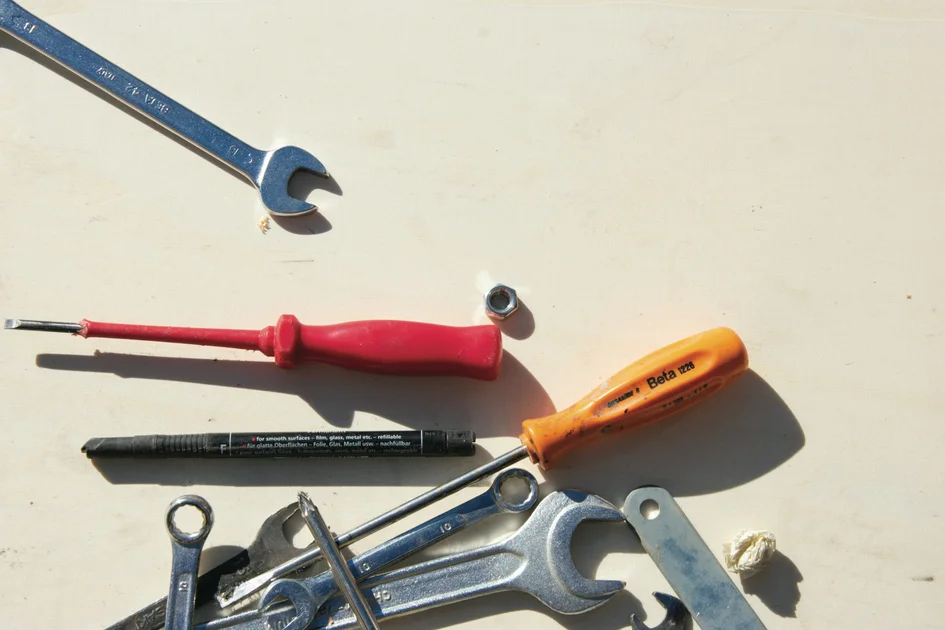
Selecting the right equipment for your home improvement projects in 2026 requires a nuanced understanding of both mechanical performance and long-term utility. As a professional analyst, I have observed that the modern DIY enthusiast is no longer satisfied with entry-level hardware; instead, there is a clear shift toward professional-grade cordless ecosystems that prioritize ergonomics, power efficiency, and integrated smart diagnostics. Whether you are remodeling a kitchen, installing new flooring, or undertaking structural repairs, the specific tool you choose often determines the success of the finish. This comprehensive guide evaluates the top-tier options currently dominating the market, ensuring that your capital investment aligns with your technical requirements and project scope. We will dissect the nuances of torque delivery, battery chemistry, and build durability to help you make an informed decision for your next renovation.
Cordless Drill vs Impact Driver
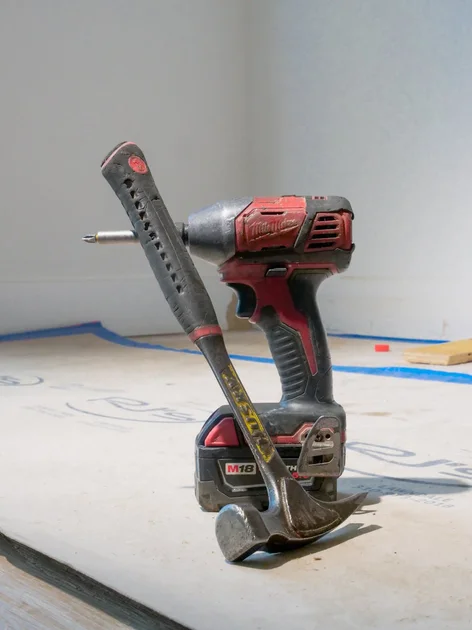
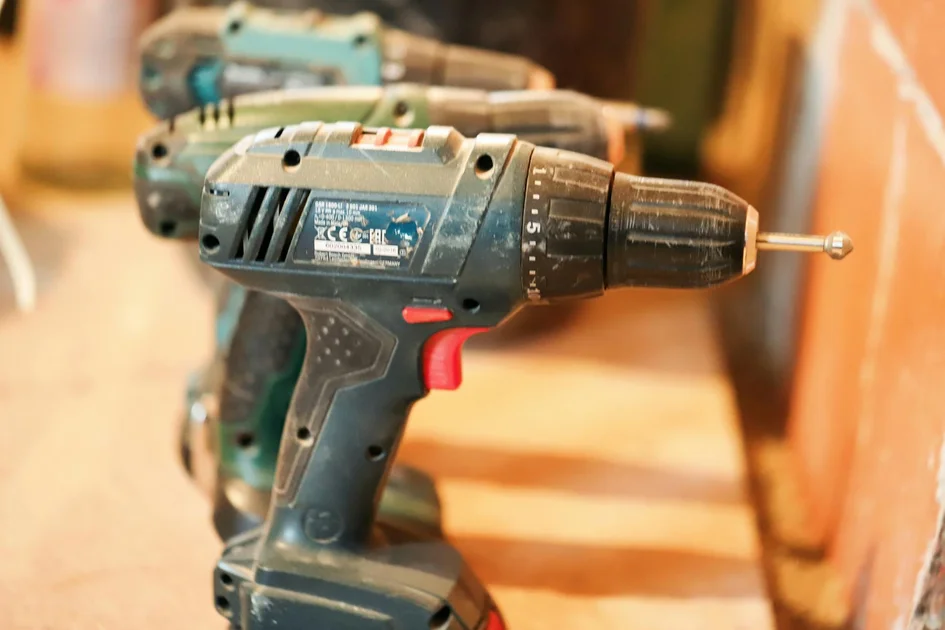
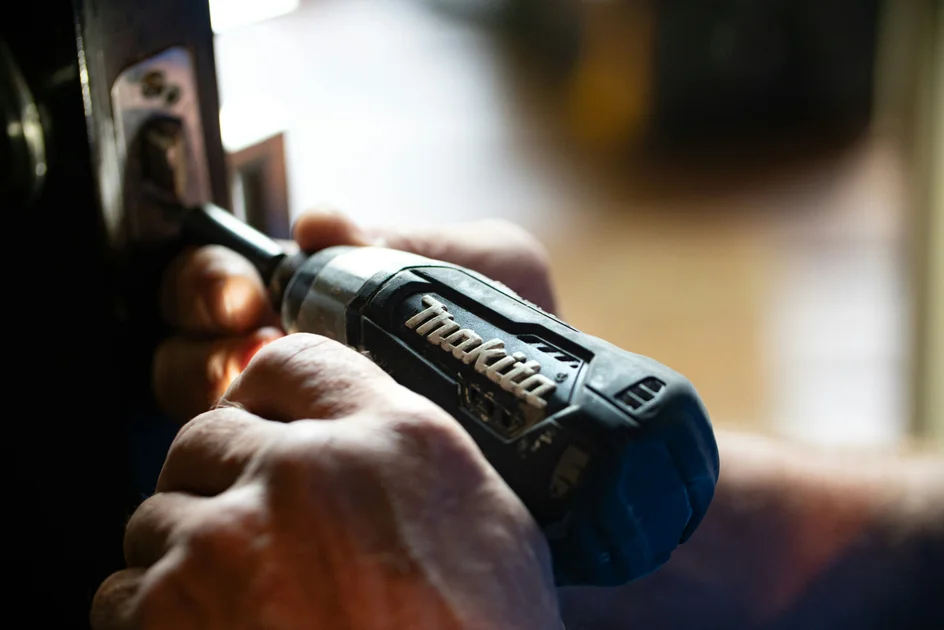
The debate between a standard cordless drill and an impact driver is a cornerstone of professional tool selection. While a drill offers the versatility of a clutch for delicate tasks and a chuck for various bit types, the impact driver is engineered for high-torque applications where speed and fastening force are paramount. In 2026, manufacturers have refined brushless motor technology to the point where both tools feel lighter and more capable than their predecessors. Most homeowners benefit from owning both, but for specific tasks like framing or heavy-duty decking, the impact driver remains the superior choice due to its rotational hammering action.
- Professional-Grade Tools vs. DIY: The Ultimate Comparison for Home Upgrades
- How to test and compare major home appliance performance metrics before buying
- Hand Tool Quality Standards: Comparison for Long-Term Durability
- Best Home Maintenance Practices to Prevent Major Repairs
- Appliance Investment: Maximizing Long-Term Value & Cost Efficiency
When selecting between these tools, consider the nature of your fasteners. A standard drill is essential for drilling precise holes in wood or metal where speed control is vital to prevent material damage. Conversely, an impact driver excels at driving long lag screws or heavy-duty fasteners into structural lumber without stripping the heads. The integration of electronic torque management in recent models has further bridged the gap between these two, allowing users to switch between modes for different material densities. Always prioritize a kit that utilizes a unified 20V or 40V lithium-ion platform to maximize your investment across other power tools in your workshop.
Precision in Fastening
Achieving consistent results in cabinet installation or furniture assembly requires precise control over fastener depth. Modern impact drivers now feature advanced sensors that detect the resistance of the material, automatically slowing the rotation as the screw head nears the surface. This prevents the common issue of over-driving fasteners, which can crack wood or damage delicate veneers. By utilizing these intelligent features, even a novice can achieve results that mirror professional carpentry standards, saving significant time on rework and material replacement during complex home renovations.
Tool Comparison for Home Projects
| Feature | Professional Cordless Drill | Professional Impact Driver | Verdict |
|---|---|---|---|
| Primary Function | Drilling and delicate fastening | Heavy-duty structural fastening | Depends on use case |
| Torque Delivery | Variable clutch control | High-speed rotational impact | Impact driver wins for power |
| Chuck Mechanism | Keyless ratcheting chuck | 1/4 inch hex quick-release | Drill wins for versatility |
| Ergonomics | Balanced weight distribution | Compact and lightweight | Impact driver wins for fatigue |
| Battery Efficiency | High-drain performance | Optimized for long drive cycles | Impact driver is more efficient |
| Market Price | $180 to $250 | $150 to $220 | Impact driver is better value |
Reddit & Expert Community Consensus
Professional contractors and active DIY communities on platforms like Reddit frequently emphasize that buying into a specific battery ecosystem is more important than the individual tool specifications. Users often report that the real-world durability of top-tier brands like Milwaukee or DeWalt proves its worth over a five-year period. One expert noted that while cheaper tools might handle light household tasks, the lack of heat management in lower-end brushless motors leads to premature failure during intense projects. The consensus remains: invest in a high-quality starter kit that includes at least two batteries, as battery health is the primary limiting factor for long-term productivity in 2026.
Cost & Pricing Breakdown
Budgeting for home improvement projects requires a strategic approach to capital expenditure. While premium tools demand a higher upfront cost, they offer a lower total cost of ownership due to extended lifespans and superior warranty support. When planning your 2026 renovation budget, consider the following tiers of investment for essential power tool kits.
Entry-level kits, typically priced between $150 and $250, are ideal for occasional maintenance and light assembly work. Mid-range professional kits, ranging from $300 to $500, provide the necessary power for large-scale structural renovations and consistent daily use. For high-end, specialized commercial-grade tools, pricing often exceeds $700, reflecting advanced features like smart-phone connectivity and extreme-duty environmental sealing. Always set aside an additional 15 percent of your tool budget for high-quality accessories, such as titanium-coated drill bits or impact-rated socket sets, which are critical for optimal tool performance.
Maintenance and Longevity
Maintaining your power tools is an often overlooked aspect of home improvement management. In 2026, most high-end tools feature sealed gearboxes and advanced dust-protection systems that significantly reduce the maintenance burden. However, simple habits such as cleaning intake vents with compressed air and ensuring batteries are stored in climate-controlled environments will extend the life of your equipment by years. Lithium-ion batteries, in particular, should never be left on a charger indefinitely; keeping them at a 50 percent charge level during long periods of inactivity prevents chemical degradation.
Regular inspection of your tools for frayed cables or loose chucks is a standard safety practice that should be performed before every project. If you notice a drop in performance or an unusual smell coming from the motor housing, it is critical to cease operation immediately and consult the manufacturer’s diagnostic guide. Modern tools often include LED status indicators that provide early warning signs of overheating or short circuits, which can be cross-referenced with official manufacturer documentation available online at sites like the National Power Tool Health Organization to ensure your workshop remains safe and efficient.
Key Takeaways
- Prioritize battery platform compatibility across all your power tools.
- Choose impact drivers for fastening and cordless drills for precision drilling.
- Brushless motor technology is now the standard for reliability and power efficiency.
- Budget for high-quality drill bits and sockets to match the performance of your tools.
- Store batteries in cool, dry places to maintain peak capacity over several years.
- Always register your tools with the manufacturer to leverage comprehensive warranties.
Frequently Asked Questions
Are brushless motors worth the extra cost?
Yes, brushless motors are significantly more efficient, generate less heat, and offer a longer lifespan compared to traditional brushed motors, making them the standard for 2026 projects.
Can I use batteries from different brands?
Generally, no. Batteries are proprietary to their respective brands and using adapters can pose significant safety risks or void your manufacturer warranty.
How often should I replace my drill bits?
Replace bits as soon as you notice visible dulling or discoloration, as using worn-out accessories puts unnecessary strain on your tool’s motor and decreases precision.
What is the benefit of a 40V system over a 20V system?
A 40V system provides higher peak power for heavy-duty applications like drilling large holes in hardwood, though the tools are typically heavier and more expensive.
How do I handle tool warranty claims?
Most major brands offer online portals where you can input your serial number and proof of purchase to initiate a repair or replacement request quickly.
Conclusion
Selecting the optimal tools for your home improvement journey in 2026 is an exercise in balancing immediate project needs with long-term infrastructure goals. By focusing on reliable, brushless ecosystems and maintaining your equipment through proper storage and regular inspection, you ensure that your investment pays dividends for years to come. Whether you are a weekend warrior or a dedicated DIY expert, the right hardware transforms complex challenges into manageable tasks. Use this guide as a foundation for your purchasing decisions, and always prioritize safety and performance as you elevate the quality of your home through thoughtful, professional-grade craftsmanship.