
Selecting the right power tools for home repairs is a foundational decision that influences both the efficiency of your maintenance tasks and the long-term quality of your residential improvements. As we navigate through 2026, the marketplace has evolved to prioritize ergonomic design, battery density, and smart connectivity, making the selection process more nuanced than in previous years. Whether you are addressing minor drywall patches or undertaking significant structural renovations, having the correct equipment is essential for safety and precision. This comprehensive guide provides an analytical framework for evaluating power tool ecosystems, ensuring that your investment delivers professional-grade results while accounting for the rapid technological shifts defining the current construction landscape.
Understanding Power Tool Ecosystems
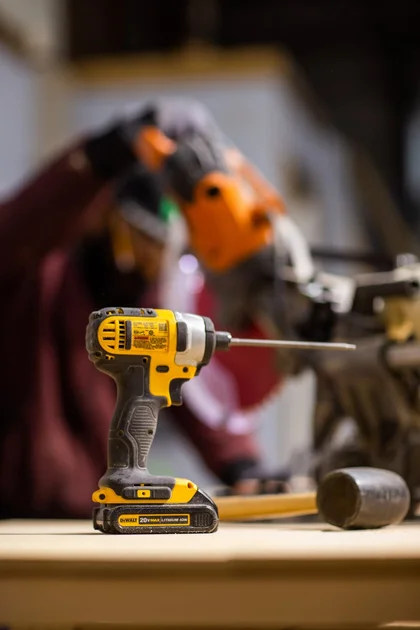
The most critical decision for any modern homeowner is committing to a specific battery ecosystem rather than buying disparate brands. In 2026, brushless motor technology has become the industry standard for efficiency and durability, allowing manufacturers to pack more torque into compact frames. When you invest in a single battery platform, you benefit from the ability to interchange power cells across drills, impact drivers, saws, and outdoor equipment. This interoperability minimizes overhead costs while ensuring that your tool collection remains functional during extended projects where battery rotation is necessary. Most professional-grade brands now offer standardized 18V or 20V Max platforms that serve as the backbone for the majority of residential repair requirements.
- How to Maintain Household Appliances for Better Performance
- Tool Comparison Guide for Popular Home Improvement Projects
- Washing Machine Drum Malfunction: Diagnosis & Repair Solutions
- How to fix a refrigerator that won't cool: Step-by-step diagnostic and repair guide
- Dishwasher Not Draining? Evaluate & Repair Drainage System Faults
Beyond simple battery compatibility, current ecosystems often include smart features such as integrated Bluetooth tracking and digital torque management. These advancements allow users to monitor tool performance via mobile applications, ensuring that maintenance schedules are strictly followed to prevent motor failure. When building your collection, look for brands that offer a broad catalog of specialized attachments, as this diversity will prove invaluable as your repair needs evolve from basic assembly to complex carpentry. By prioritizing a cohesive ecosystem, you effectively future-proof your workshop against the obsolescence of older, non-communicative power tool models that lack the sophisticated power management circuitry prevalent today.
Comparison Table / Specifications Table
| Feature | Professional Brushless | Entry-Level Brushed | Verdict |
|---|---|---|---|
| Motor Efficiency | High (Brushless) | Low (Brushed) | Brushless wins |
| Battery Runtime | Up to 50 percent longer | Baseline standard | Brushless wins |
| Maintenance Needs | Minimal internal wear | Requires carbon brush replacement | Brushless wins |
| Torque Output | High consistent power | Variable under load | Brushless wins |
| Initial Purchase Cost | Premium investment | Budget-friendly | Entry-level wins |
| Thermal Management | Active cooling circuits | Passive ventilation | Brushless wins |
Pros and Cons Analysis
Analyzing the trade-offs between professional-grade brushless tools and consumer-grade brushed alternatives is essential for budget allocation. Professional tools offer superior power-to-weight ratios, which reduce operator fatigue during prolonged use, a factor that cannot be overstated when performing overhead work or intricate installations. The durability of internal components in high-end models typically translates to a longer service life, often supported by extensive multi-year warranties. However, these benefits come with a steeper upfront cost, which may not be justifiable for the occasional DIY user who only performs light maintenance once or twice a year.
Conversely, entry-level brushed tools provide a gateway for homeowners to build their capabilities without the immediate financial burden of premium pricing. While these tools may lack the advanced sensors and refined ergonomics of their professional counterparts, they are often perfectly adequate for standard repair tasks like hanging shelving or minor furniture assembly. The primary drawback remains the eventual degradation of the carbon brushes, which necessitates periodic maintenance or replacement. Furthermore, these tools often produce more heat under heavy load, potentially leading to thermal shutdown if pushed beyond their design limits during demanding construction scenarios.
Essential Tools for Homeowners
The Core Starter Kit
Every home repair enthusiast should prioritize a core set of tools that covers ninety percent of standard residential maintenance. The foundation begins with a high-torque drill-driver, which acts as the primary tool for fasteners and light drilling. Supplementing this with an impact driver is highly recommended, as the rotational percussion mechanism is far more efficient at driving long screws into dense lumber. When selecting these devices, pay close attention to the chuck size and the presence of a variable speed trigger, as these features dictate the precision with which you can handle delicate materials like finished wood or drywall.
Beyond drilling and driving, a cordless circular saw and a multi-tool are indispensable additions to your arsenal. A circular saw provides the necessary power for cutting framing lumber and plywood, while an oscillating multi-tool offers unparalleled versatility for plunge cuts, sanding in tight corners, and removing grout. In 2026, modern multi-tools feature tool-free blade changes, significantly speeding up workflow transitions. By investing in these four core pieces, you establish a professional standard of capability that allows you to tackle plumbing repairs, electrical box installations, and structural reinforcements with confidence and precision.
Safety Standards and Ergonomics
Operating power tools safely requires a combination of proper personal protective equipment and an understanding of tool ergonomics. High-vibration tools can lead to long-term nerve damage if used improperly; therefore, selecting models with vibration-dampening handles is a proactive health measure. Always ensure that your work area is well-lit and that your tools are free of debris that might obstruct cooling vents. In 2026, many manufacturers have integrated advanced safety features such as electronic kickback control, which automatically cuts power if a bit binds in the material, preventing wrist injuries. These innovations are not mere marketing gimmicks but essential safety buffers.
Furthermore, the psychological aspect of safety involves maintaining focus and respect for the equipment at all times. Never bypass built-in safety guards or modify trigger locks, as these are engineered to protect the operator from accidental discharge or mechanical failure. When working with high-capacity lithium-ion batteries, ensure they are stored at room temperature and charged using only the manufacturer-approved charging stations to prevent fire hazards. Maintaining your tools by keeping them clean and dry will not only extend their functional lifespan but also ensure that their built-in safety mechanisms remain sensitive and responsive during critical operations. Trust in reliable resources like the Occupational Safety and Health Administration to stay updated on best practices.
Maintenance and Longevity Tips
The longevity of your power tool collection depends heavily on your commitment to a rigorous maintenance schedule. After each project, take a moment to wipe down the exterior housings with a microfiber cloth and ensure that air intakes are free of sawdust and metallic shavings. If you notice a drop in performance, check the battery contacts for oxidation and clean them with a specialized electronic contact cleaner. For brushless motors, the internal electronics are largely sealed, but keeping them away from extreme moisture is crucial to prevent the short-circuiting of the sensitive microprocessors that manage the power delivery.
Storage conditions play a pivotal role in the health of your battery cells. Lithium-ion technology thrives when stored in cool, dry environments, ideally at a partial charge rather than fully depleted or fully saturated states. If you anticipate a period of inactivity, remove the batteries from the tools to prevent parasitic power drain. Many modern chargers now include a storage mode that automatically brings batteries to an ideal voltage for long-term dormancy. By treating your tools as precision instruments rather than disposable commodities, you ensure that they remain reliable assets for years of home maintenance and renovation projects.
Key Takeaways
- Select a single battery ecosystem to maximize cost-efficiency and interoperability.
- Prioritize brushless motor technology for superior power, efficiency, and longevity.
- Invest in a core kit consisting of a drill, impact driver, circular saw, and multi-tool.
- Always verify safety features like electronic kickback control before purchasing.
- Follow strict storage and maintenance protocols to preserve lithium-ion battery health.
- Compare professional versus entry-level models based on your specific project frequency.
Frequently Asked Questions
Are brushless tools worth the extra investment for light home use?
Yes, because they offer significant improvements in battery efficiency and reliability, which reduces the frequency of charging and maintenance over the life of the tool.
Can I mix and match battery brands for my power tools?
No, it is highly recommended to stick to one brand ecosystem to ensure battery compatibility and safety, as voltage management varies significantly between manufacturers.
What is the most important safety feature to look for in 2026?
Electronic kickback control is vital as it detects sudden torque spikes and stops the motor instantly, preventing injury during high-torque applications.
How often should I clean my power tools?
You should clean the exterior and air vents after every major project or whenever you notice visible dust accumulation to ensure proper thermal regulation.
Is it better to buy a kit or individual tools?
Kits are generally more cost-effective for beginners building an ecosystem, while individual purchases are better for expanding your collection with specialized professional equipment.
Conclusion
Choosing the right power tools for your home repairs is an investment in your personal infrastructure and residential value. By carefully considering the ecosystem, the motor technology, and the ergonomic safety features available in 2026, you position yourself to handle any maintenance challenge with authority. Remember that while the upfront cost of professional-grade equipment may seem substantial, the durability and efficiency gains provide a superior return on investment over time. Maintain your tools with diligence, prioritize safety in every task, and you will find that even the most daunting home repairs become manageable, satisfying projects that enhance your living space for years to come.