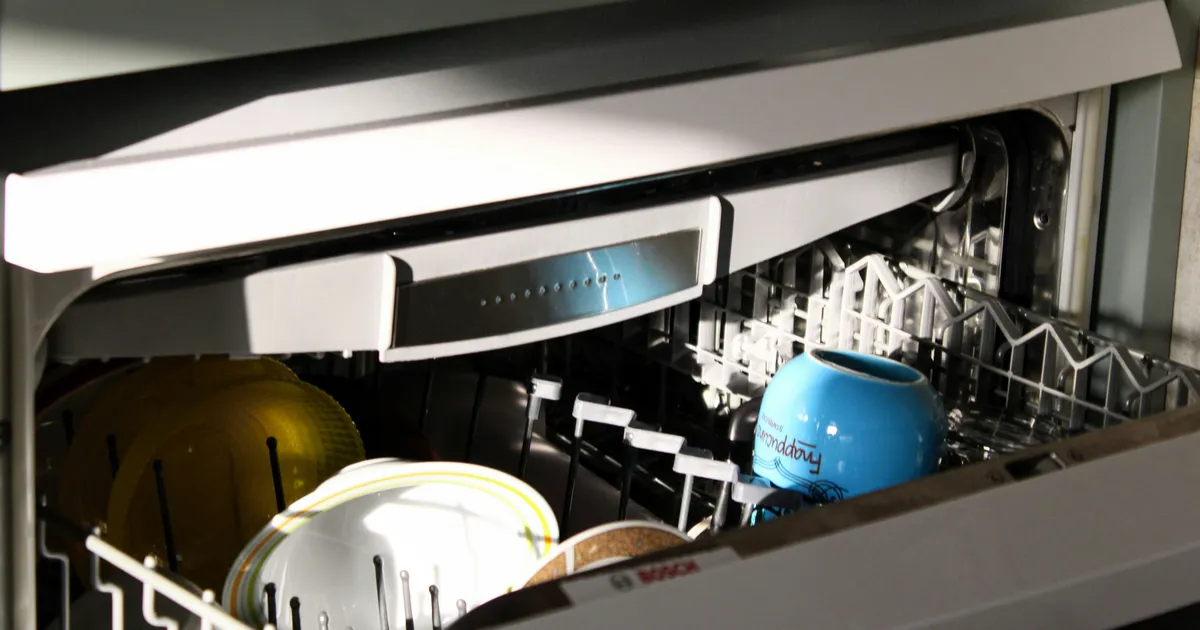
I remember the sinking feeling when I opened my dishwasher after a cycle, only to find a pool of murky, soapy water stubbornly refusing to drain. It wasn’t just an inconvenience; it felt like a personal affront from a machine designed to make life easier. That experience taught me invaluable lessons about the often-overlooked yet critical components of a dishwasher drainage system. Understanding its faults evaluation and repair process isn’t just about fixing a problem; it’s about reclaiming your kitchen’s sanity and preventing potential water damage. Let’s dive deep into the mechanics, common issues, and practical solutions, ensuring your dishwasher performs flawlessly, perhaps well into 2026 and beyond.
Understanding the Dishwasher Drainage System
At its core, a dishwasher’s drainage system is a marvel of engineering designed to efficiently remove dirty water. This system typically involves a drain pump, a drain hose, a check valve, and often an air gap or a high loop to prevent backflow. When your dishwasher finishes its wash or rinse cycle, the drain pump activates, forcing the water out of the wash tub, through the drain hose, and into your home’s plumbing system, usually connecting to a garbage disposal or a dedicated drain line. Each component plays a vital role in ensuring a clean, hygienic wash, and a failure in any one can lead to significant issues.
- Basic electrical appliance repair: Simple DIY fixes for broken cords, fuses, and switches
- Product Buying Guide for Reliable Home Repair Equipment
- Appliance Fault Diagnosis Models: Troubleshooting Techniques for Smarter Repairs
- Dishwasher not draining? How to clear clogs and repair drainage pump faults
- Best Multi-Purpose Tool Kits: An Expert Review for Home Maintenance Professionals
The ingenuity of this system lies in its ability to handle various types of debris while maintaining a sealed environment. The filter system, usually located at the bottom of the wash tub, catches larger food particles, preventing them from clogging the drain pump or hose. A crucial element, the check valve, ensures that once the dirty water has been pumped out, it cannot flow back into the dishwasher, protecting your dishes from re-contamination. Properly understanding this intricate interplay of parts is the first step in mastering the dishwasher drainage system faults evaluation and repair process, empowering you to tackle problems with confidence.
Common Symptoms of Drainage Faults
Identifying a drainage fault often begins with observable symptoms that signal something is amiss. The most obvious sign is standing water at the bottom of the dishwasher after a completed cycle. This isn’t just residual moisture; it’s a clear indication that water isn’t exiting the tub as it should. Another common symptom is dirty dishes, especially those with dried food particles, which suggests that the dirty water was recirculated or not fully drained, leaving behind residue. You might also notice unusual noises during the drain cycle, such as a humming without water movement, indicating a struggling or obstructed pump.
Beyond the visible and audible cues, pay attention to subtle changes in performance. A dishwasher that takes an unusually long time to complete a cycle might be struggling with drainage, causing sensors to extend wash times. Foul odors emanating from the dishwasher, even when empty, can point to stagnant water or accumulated food debris that hasn’t been properly flushed out. These smells are often a sign of bacterial growth in the residual water, a definite red flag. Recognizing these symptoms early can save you from more extensive repairs down the line and prevent unsanitary conditions.
Step-by-Step Fault Evaluation
When faced with a drainage issue, a systematic approach to evaluation is key. Begin by checking the most common culprits. First, inspect the dishwasher’s filter system, usually found at the bottom of the tub. Remove and thoroughly clean it, as accumulated food particles, grease, and even small broken dishes can severely impede drainage. Next, verify that the drain hose, typically running from the dishwasher to the sink drain or garbage disposal, isn’t kinked or crushed. A simple repositioning can sometimes resolve the problem instantly, avoiding unnecessary further investigation.
After checking the filter and hose, turn your attention to the garbage disposal if your dishwasher is connected to one. Ensure the disposal is clear of food waste and running properly, as a clogged disposal will prevent the dishwasher from draining effectively. If you’ve recently installed a new disposal, double-check that the knockout plug inside the disposal’s dishwasher inlet port has been removed. Many DIYers overlook this critical step, leading to baffling drainage issues. For more detailed troubleshooting specific to your model, checking the manufacturer’s official support page, like GE Appliances’ support site, can provide invaluable model-specific insights.
Examining the Drain Pump and Sump
If the external checks don’t resolve the issue, it’s time to delve deeper into the drain pump and sump area. This usually involves removing the lower spray arm and accessing the pump housing. Before you do anything, always ensure the dishwasher is unplugged from its power source to prevent electrical shock. Carefully inspect the pump impeller for any foreign objects – broken glass, fruit pits, or even small pieces of plastic can jam the impeller, preventing it from spinning and pumping water out. A flashlight is your friend here, helping you see into tight spaces.
DIY Repair Strategies for Common Issues
Many common drainage issues can be resolved with a bit of DIY effort and the right tools. For clogged filters, a good scrub brush and warm, soapy water are usually all you need. Regularly cleaning this component, perhaps once a month, can prevent most clogs. If the drain hose is merely kinked, gently straighten it out. If it’s crushed or cracked, it will need to be replaced. Ensure the new hose is installed with a high loop or connected to an air gap to prevent dirty sink water from backflowing into the dishwasher.
Addressing a clogged air gap, if your system uses one, is another straightforward DIY repair. Unscrew the cap on your countertop, remove the inner cap, and clear any debris, often a slimy buildup, from both components. For garbage disposal issues, run the disposal with cold water for a minute or two to clear any blockages. Remember, consistent maintenance, such as regularly cleaning your disposal and dishwasher filters, is the best defense against drainage problems, keeping your appliance running smoothly for years, perhaps even through 2026.
When to Call a Professional
While many drainage issues are within the scope of a keen DIYer, there are times when calling a professional appliance technician is the wisest course of action. If you’ve systematically checked all the common culprits – filter, drain hose, air gap, and disposal – and the problem persists, it might indicate a more complex internal issue. Problems with the drain pump motor, the main control board, or a deeply embedded clog in the house’s main drain line are often beyond typical home repair capabilities and require specialized tools and expertise. Attempting repairs in these situations without proper knowledge can lead to further damage, potentially voiding warranties or creating safety hazards.
Furthermore, if you’re uncomfortable working with electrical components or disassembling major parts of your appliance, it’s always better to err on the side of caution. A professional technician has the experience to diagnose and fix the issue efficiently and safely. They can also offer valuable insights into the overall health of your appliance, potentially identifying other areas of concern. For complex plumbing issues, consulting a licensed plumber, perhaps via resources like EPA WaterSense’s leak fixing advice, might be necessary, especially if the problem extends beyond the dishwasher itself into your home’s main drainage. Investing in expert help ensures a lasting solution and peace of mind.
Key Takeaways
- Proactive maintenance, especially regular cleaning of the dishwasher filter and garbage disposal, is crucial for preventing most drainage issues and ensuring the longevity of your appliance.
- A systematic troubleshooting approach, starting with the simplest checks like kinks in the drain hose or a clogged air gap, can resolve many problems without needing professional intervention.
- Understanding the interconnected components of the dishwasher’s drainage system – pump, hose, check valve, air gap, and filter – empowers you to diagnose faults more effectively.
- While many common faults are DIY-friendly, complex issues involving the drain pump motor, control board, or household plumbing warrant the expertise of a professional appliance technician or plumber.
Frequently Asked Questions
Why is my dishwasher leaving standing water after a cycle?
Standing water usually indicates a blockage or malfunction in the drainage system. Common culprits include a clogged filter, a kinked or obstructed drain hose, a clogged air gap, or issues with your garbage disposal if connected. Less commonly, it could be a faulty drain pump or check valve.
How often should I clean my dishwasher filter to prevent drainage problems?
For optimal performance and to prevent drainage issues, it’s generally recommended to clean your dishwasher filter at least once a month, or more frequently if you often wash dishes with significant food debris. This simple task can prevent a host of problems.
Can a clogged garbage disposal affect my dishwasher’s drainage?
Absolutely. If your dishwasher drains into your garbage disposal, a clogged disposal will prevent water from exiting the dishwasher. Always ensure your disposal is clear and running properly before operating the dishwasher.
Is it safe to use chemical drain cleaners in my dishwasher?
No, it is generally not recommended to use harsh chemical drain cleaners in your dishwasher. These chemicals can damage internal rubber and plastic components, leading to leaks or further system failures. Stick to manual clearing methods or professional assistance.
Conclusion
Navigating the complexities of dishwasher drainage system faults can seem daunting, but with a methodical approach and a little understanding, most issues are quite manageable. From the initial signs of standing water to the intricate dance of the drain pump and check valve, each element plays a critical role. By embracing regular maintenance and knowing when to confidently tackle a DIY fix versus calling in a seasoned professional, you’re not just repairing an appliance; you’re investing in the smooth, hygienic operation of your kitchen. Here’s to clear drains and sparkling dishes, today and in the future.