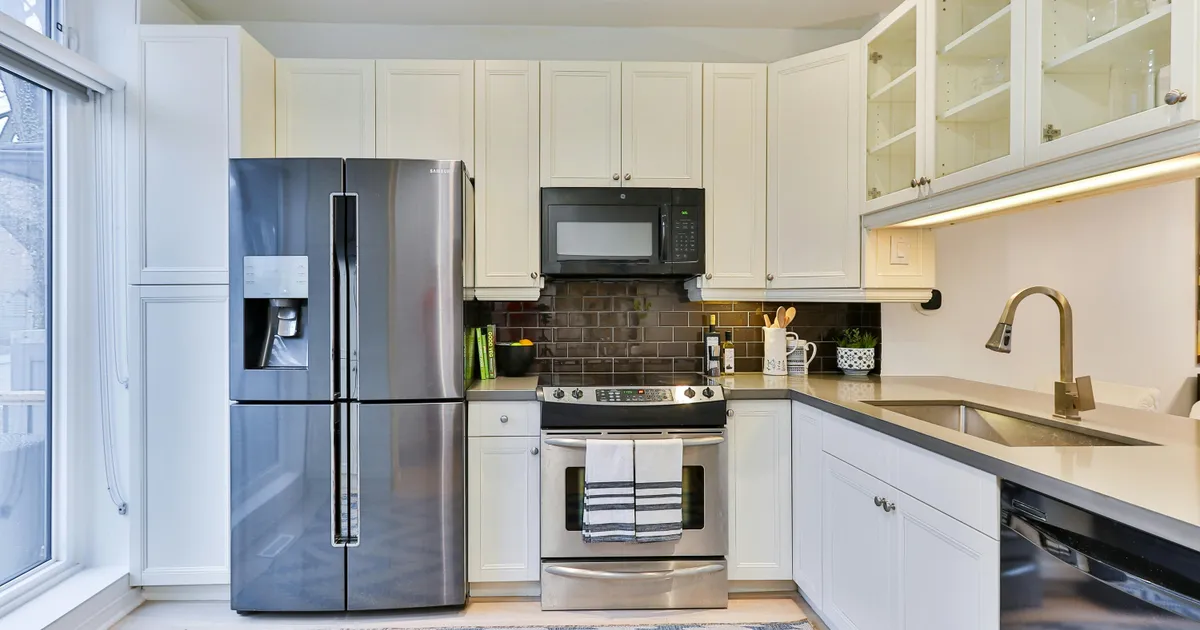

When it comes to upgrading your modern kitchen in 2026, investing in smart appliances is a great way to enhance efficiency, convenience, and style. Smart appliances, such as refrigerators, ovens, and dishwashers, offer advanced features like Wi-Fi connectivity, voice control, and smart sensors that can help you manage your kitchen tasks more effectively. Before making a purchase, it’s essential to consider several factors, including your budget, kitchen layout, and personal preferences, to ensure that you choose the right smart appliances for your needs.
A smart appliance buying guide can help you navigate the various options available in the market and make an informed decision. According to a report by Statista, the global smart appliance market is expected to grow significantly in 2026, with more consumers opting for smart home devices. With so many options available, it’s crucial to research and compare different smart appliances before making a purchase.
- Advanced Home Repair Tools: Expert Usage, Safety Standards & Practical Applications
- Smart troubleshooting frameworks: How to diagnose complex appliance faults like a pro
- Budget vs. premium power tools: A real-world durability and performance deep dive
- Advanced home repair tools: A complete guide to expert usage, safety, and techniques
- Hand Tool Quality Standards: Comparison for Long-Term Durability
Additionally, smart appliances can help you save energy and reduce your environmental footprint. Many smart appliances come with energy-efficient features, such as automatic shut-off and eco-mode, that can help you reduce your energy consumption. You can also control your smart appliances remotely using your smartphone or voice assistant, making it easier to manage your kitchen tasks, even when you’re not at home.
Smart Appliance Types
There are several types of smart appliances available in the market, including smart refrigerators, ovens, dishwashers, and coffee makers. Each of these appliances offers unique features and benefits that can enhance your kitchen experience. For example, smart refrigerators come with features like automatic grocery lists, expiration date tracking, and internal cameras that allow you to see what’s inside without opening the door.
Smart ovens, on the other hand, offer advanced cooking features like precision temperature control, automatic cooking modes, and smart sensors that can detect the type of food you’re cooking and adjust the cooking time and temperature accordingly. Smart dishwashers come with features like automatic detergent dispensers, smart sensors that detect the soil level of your dishes, and quiet operation modes that can help reduce noise during cycles.
When choosing a smart appliance, consider the specific features and benefits that align with your needs and preferences. You can also read reviews and compare different models to find the best one for your budget and kitchen layout.
Features to Consider
When shopping for smart appliances, there are several features to consider, including connectivity options, voice control, and smart sensors. Look for appliances that offer Wi-Fi or Bluetooth connectivity, which allow you to control and monitor your appliances remotely using your smartphone or voice assistant.
Voice control is another essential feature to consider, especially if you have a smart speaker or voice assistant at home. Look for appliances that are compatible with popular voice assistants like Amazon Alexa or Google Assistant, which can make it easier to control your appliances with voice commands. Smart sensors are also important, as they can help you monitor and optimize your appliance’s performance, detect issues, and receive alerts when maintenance is required.
Additionally, consider the user interface and user experience of the smart appliance, including the display screen, buttons, and mobile app. A user-friendly interface can make it easier to navigate and control your appliance, while a well-designed mobile app can provide you with remote access and monitoring capabilities.
Energy Efficiency
Energy efficiency is another critical factor to consider when shopping for smart appliances. Look for appliances with the ENERGY STAR label, which indicates that they meet energy efficiency standards set by the U.S. Environmental Protection Agency. You can also check the appliance’s energy consumption and estimated annual operating cost to ensure that it aligns with your budget and environmental goals.
Comparison Table / Specifications Table
Comparing different smart appliances can be a daunting task, but a comparison table can help you make a more informed decision. Here’s a sample comparison table that outlines the key features and specifications of different smart appliances:
| Feature | Option A | Option B | Notes |
|---|---|---|---|
| Connectivity | Wi-Fi, Bluetooth | Wi-Fi only | Option A offers more connectivity options |
| Voice Control | Amazon Alexa, Google Assistant | Amazon Alexa only | Option A offers more voice control options |
| Smart Sensors | Temperature, humidity, soil level | Temperature, humidity only | Option A offers more smart sensor features |
| Energy Efficiency | ENERGY STAR certified | Not ENERGY STAR certified | Option A is more energy-efficient |
| Price | $1,000 | $800 | Option B is more affordable |
| Warranty | 5-year limited warranty | 3-year limited warranty | Option A offers a longer warranty |
Pros and Cons Analysis
Smart appliances offer several benefits, including enhanced convenience, energy efficiency, and style. However, they also come with some drawbacks, such as higher upfront costs, potential connectivity issues, and limited compatibility with other smart devices. Here’s a balanced analysis of the pros and cons of smart appliances:
The benefits of smart appliances include advanced features like voice control, smart sensors, and remote monitoring capabilities. These features can make it easier to manage your kitchen tasks, reduce energy consumption, and enhance your overall kitchen experience. Additionally, smart appliances can increase your home’s value and appeal to potential buyers if you decide to sell.
However, smart appliances also come with some drawbacks, such as higher upfront costs, which can be a significant investment for some homeowners. Additionally, connectivity issues can occur if your smart appliance is not compatible with your home network or other smart devices. Limited compatibility can also be a problem, especially if you have a mix of different smart devices from various manufacturers.
Key Takeaways
- Smart appliances offer advanced features like voice control, smart sensors, and remote monitoring capabilities
- Energy efficiency is a critical factor to consider when shopping for smart appliances
- A comparison table can help you compare different smart appliances and make a more informed decision
- Smart appliances can increase your home’s value and appeal to potential buyers
- Higher upfront costs and potential connectivity issues are some of the drawbacks of smart appliances
- It’s essential to research and compare different smart appliances before making a purchase
Frequently Asked Questions
What is a smart appliance?
A smart appliance is a device that is equipped with advanced technology, such as Wi-Fi connectivity, voice control, and smart sensors, which can help you manage your kitchen tasks more efficiently.
How do I control my smart appliance?
You can control your smart appliance using your smartphone or voice assistant, depending on the device’s compatibility and features. You can also use the appliance’s display screen and buttons to navigate and control its functions.
Can I integrate my smart appliance with other smart devices?
Yes, many smart appliances are compatible with other smart devices, such as smart speakers, thermostats, and security systems. However, it’s essential to check the device’s compatibility before making a purchase.
How much do smart appliances cost?
The cost of smart appliances varies depending on the device, features, and brand. You can expect to pay more for smart appliances than traditional appliances, but they can offer significant benefits and savings in the long run.
Do smart appliances require special installation?
Some smart appliances may require special installation, such as Wi-Fi connectivity or voice control setup. However, many smart appliances are plug-and-play devices that can be easily installed and set up by the homeowner.
Conclusion
In conclusion, smart appliances can be a great investment for homeowners who want to enhance their kitchen experience, reduce energy consumption, and increase their home’s value. By considering factors like connectivity options, voice control, and smart sensors, you can choose the right smart appliance for your needs and budget. Remember to research and compare different smart appliances, read reviews, and check the device’s compatibility with other smart devices before making a purchase. As you upgrade your modern kitchen in 2026, consider visiting CNET or Wired for more information on the latest smart appliances and trends.