I once saw a friend attempt to cut a sturdy 2×4 with a cheap, flimsy handsaw, the kind that bends with a stiff breeze. The result was not just a crooked cut, but a blistered hand and an hour of wasted effort fueled by frustration. It was a stark reminder that the cornerstone of any successful home improvement endeavor lies in the essential tool selection criteria for home improvement projects. You see, it’s not about owning every gadget on the market, but about thoughtfully choosing tools that are fit for purpose, reliable, and safe. Skimping on quality here is akin to building a house on sand; the foundation of your project’s success, and indeed your enjoyment, hinges on these crucial choices. Let’s delve into what truly separates a wise investment from a costly mistake.
Durability and Build Quality: The Foundation of Good Work
When you pick up a tool, the immediate feel of its construction speaks volumes. Does it feel solid, or does it flex under slight pressure? True durability comes from the materials used and the precision of its assembly. High-carbon steel for blades, robust composites for handles, and strong, seamless welds are indicators of a tool built to last through countless projects. Investing in tools crafted with superior materials means less wear and tear, fewer breakages, and ultimately, a more reliable companion for your DIY journey. Think of a well-made hammer with a perfectly balanced head and a fiberglass handle; it absorbs shock better and delivers consistent force, protecting both the tool and your hand over time.
This commitment to quality isn’t just about longevity; it’s about performance and safety. A poorly constructed tool can fail spectacularly, causing injury or damaging your workpiece. Inspect the moving parts, the fasteners, and the finish. Are the gears smooth? Do the joints have excessive play? These details reveal the manufacturer’s attention to engineering and quality control. Tools that exhibit excellent build quality often come from brands with a long-standing reputation for excellence, signaling that they stand behind their products. Choosing wisely here means less time spent replacing broken tools and more time focused on bringing your home improvement visions to life.
Material Matters: Beyond the Shine
Don’t be fooled by shiny chrome or a hefty price tag alone; delve into the actual materials. For power tools, look for robust motor casings, often made from high-impact plastic or metal alloys that can withstand drops and impacts. Blades, bits, and cutting edges should be made from specific types of hardened steel, like chrome vanadium for wrenches or carbide tips for saw blades, which retain their edge and resist deformation. Understanding these material specifications, even at a basic level, empowers you to make informed choices. For instance, a drill bit made of high-speed steel (HSS) is good for general use, but a cobalt alloy or titanium-coated bit will excel in tougher materials and last significantly longer, making it a smarter choice for serious DIYers in 2026.
Ergonomics and Safety: Your Hands and Health Depend On It
Holding a tool should feel natural, not like wrestling an alien object. Ergonomics, the study of designing equipment and devices that fit the human body, is paramount for home improvement tools. Handles should be comfortable to grip, reducing strain on your hands and wrists, especially during prolonged use. Look for rubberized grips that prevent slippage and provide better shock absorption. A well-designed tool reduces the risk of repetitive strain injuries, allowing you to work longer and more efficiently without discomfort. This focus on user comfort is not a luxury; it’s a necessity for anyone tackling significant projects.
Beyond comfort, safety features are non-negotiable. Power tools, in particular, should have accessible safety switches, blade guards, and anti-kickback mechanisms. Always check for certifications from recognized safety organizations. For example, a jigsaw with a transparent blade guard allows you to see your cut line while protecting your fingers, and a circular saw with an electric brake stops the blade almost instantly upon release. Prioritizing tools with robust safety features not only protects you from accidents but also instills confidence, allowing you to focus on the precision of your work rather than worrying about potential hazards. You can find excellent resources on tool safety at sites like OSHA’s Tool Safety page.
Versatility and Adaptability: Getting More Bang for Your Buck
In the realm of home improvement, a tool that can perform multiple functions often proves to be an invaluable asset, especially when starting out or working with limited space. Consider a multi-tool that can sand, cut, and scrape, or a drill/driver that can handle both drilling holes and driving screws. These versatile workhorses reduce the need to purchase and store numerous single-purpose tools, making your workshop more efficient and less cluttered. However, be wary of tools that claim to do everything but do nothing well; true versatility lies in performing several related tasks competently, not poorly.
Adaptability also extends to a tool’s compatibility with accessories and attachments. A good oscillating multi-tool, for example, should accept a wide range of blades and sanding pads from various manufacturers, expanding its utility significantly. Similarly, many cordless tool systems use interchangeable batteries across an entire line of products, allowing you to power multiple tools with a single battery platform. This ecosystem approach not only saves money on batteries but also streamlines your workflow. Thinking about how a tool can grow with your projects and adapt to different scenarios is a key component of savvy tool selection for 2026 and beyond.
Power Source and Portability: Matching the Tool to the Task
The choice between corded and cordless tools often comes down to the specific demands of your project and your work environment. Corded tools typically offer consistent, unwavering power, ideal for stationary tasks or jobs requiring high torque and continuous operation, like a miter saw or a heavy-duty router. There’s no concern about battery life, and they often come at a lower initial cost. However, their reach is limited by outlet proximity, and managing extension cords can be cumbersome and a tripping hazard, especially on a busy job site.
Cordless tools, on the other hand, provide unparalleled freedom and portability, allowing you to work anywhere without being tethered to an outlet. This is a huge advantage for outdoor projects, working in tight spaces, or when moving between different areas of your home. Modern battery technology has advanced significantly, offering impressive power and runtimes. The downside can be the higher upfront cost for batteries and chargers, and the need to manage battery life during a project. Carefully assess whether your typical projects demand constant, high power or the flexibility of movement when making this crucial decision.
Brand Reputation and Warranty: Investing in Peace of Mind
A brand’s reputation is built over years, sometimes decades, of consistent performance and customer satisfaction. Established brands often have rigorous quality control processes, extensive research and development, and a commitment to innovation. While lesser-known brands might offer tempting prices, the peace of mind that comes with a reputable manufacturer is often worth the extra investment. Seek out brands known for their reliability in the specific tool category you’re exploring, and don’t hesitate to check online reviews and expert opinions, perhaps from sources like Pro Tool Reviews, to gauge real-world performance.
Equally important is the warranty and customer support offered by the manufacturer. A robust warranty, whether it’s one year or a lifetime guarantee, demonstrates the company’s confidence in its product and provides protection against defects. Beyond the warranty, consider the availability of spare parts and the ease of accessing repair services. Even the best tools can occasionally malfunction, and knowing that you have reliable support to fall back on can save you significant time and frustration. A strong warranty and accessible customer service are indicators of a company that truly stands behind its products and values its customers.
Key Takeaways
- Prioritize Durability Over Price: Cheap tools often mean cheap materials and construction, leading to early failure, frustration, and potential safety hazards. Invest in tools made with quality materials and solid build for longevity and consistent performance.
- Ergonomics and Safety Are Non-Negotiable: Always choose tools that feel comfortable to use and incorporate essential safety features. This prevents injuries, reduces fatigue, and ensures a more enjoyable and productive work experience.
- Seek Versatility and Adaptability: Opt for multi-functional tools or those with extensive accessory compatibility to maximize your investment and reduce clutter. A tool that can grow with your project needs offers better long-term value.
- Match Power Source to Project Needs: Evaluate whether corded tools (for consistent power) or cordless tools (for portability and freedom) best suit the typical scope and location of your home improvement tasks, considering battery ecosystems for future expansion.
Frequently Asked Questions
Is it always better to buy the most expensive tools?
Not necessarily. While quality often correlates with price, the “most expensive” doesn’t always mean the “best value” for your specific needs. It’s about finding the sweet spot where performance, durability, and features align with your project requirements and budget. A professional contractor might need top-tier, heavy-duty tools, but a dedicated DIYer might find excellent value in a mid-range, reputable brand that offers great performance without the premium price tag.
What’s the single most important criterion for tool selection?
If I had to pick just one, it would be safety. No matter how durable, versatile, or powerful a tool is, if it’s unsafe or uncomfortable to use, it poses a risk to you and your project. A safe tool is one you’ll use confidently and correctly, minimizing the chance of accidents and ensuring a positive experience. Durability, ergonomics, and performance all contribute to safety in their own ways.
Should I buy a complete tool kit or individual tools?
For beginners, a well-curated basic tool kit can be a cost-effective way to acquire essential hand tools and perhaps a basic drill/driver. However, as you progress, buying individual tools allows you to select higher-quality, specialized items that precisely meet your evolving needs. Avoid large, cheap kits that include many low-quality tools you’ll rarely use or that will quickly break. Prioritize quality over quantity.
How do I maintain my tools to ensure their longevity?
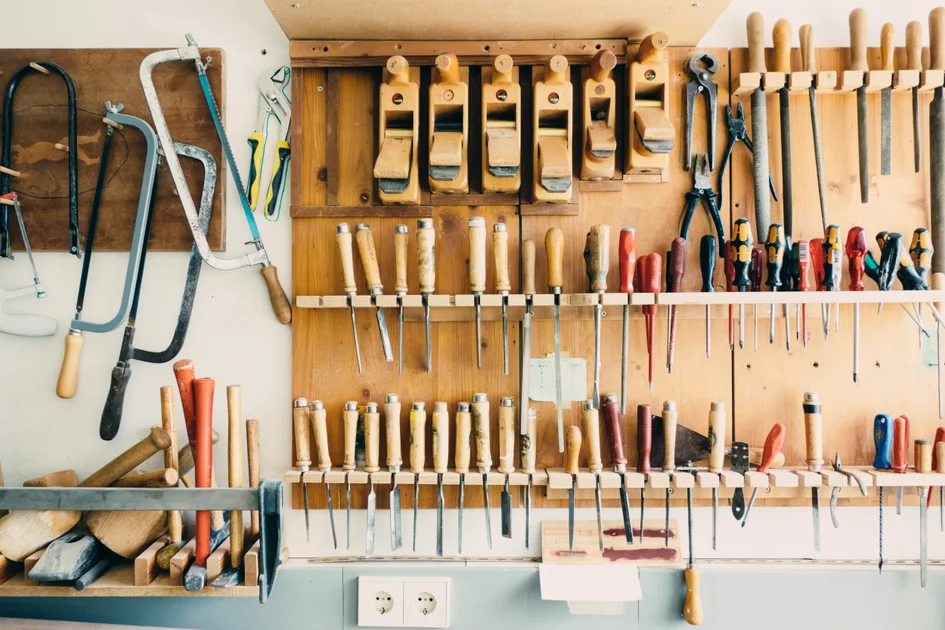
Proper maintenance is crucial. Always clean tools after use, removing dust, debris, or sap. Lubricate moving parts as recommended by the manufacturer. Store tools in a dry environment to prevent rust, ideally in toolboxes or on pegboards. Keep cutting edges sharp and replace worn-out parts like carbon brushes in power tools. Regular maintenance not only extends a tool’s life but also ensures it performs optimally when you need it.
Conclusion
Choosing the right tools for your home improvement projects is more than just a purchase; it’s an investment in your success, safety, and satisfaction. By carefully considering durability, ergonomics, versatility, power source, and brand reputation, you equip yourself not just with instruments, but with reliable partners for every task. Approach each selection with the mindset of a seasoned pro, and you’ll build not only beautiful projects but also a collection of trusted tools that serve you well for years to come.