I’ll never forget the afternoon my refrigerator decided to spontaneously retire. One moment, a humming icon of chilled reliability; the next, a silent, lukewarm testament to my utter neglect. Gallons of spoiled milk, thawing meats, and a frantic search for an emergency appliance repair person later, I vowed never again to be caught off guard. This costly, messy ordeal was my harsh introduction to the critical importance of robust maintenance planning strategies for residential appliances. It taught me that ignoring the subtle signs of wear and tear isn’t just a minor oversight; it’s a direct invitation to costly repairs, premature replacements, and significant household disruption. Proactive care isn’t just about extending an appliance’s life; it’s about safeguarding your peace of mind and your budget.
The Undeniable Value of Proactive Appliance Care
Embracing a proactive approach to appliance maintenance is less about being a hyper-vigilant homeowner and more about being a smart one. Think of it as an investment that pays dividends in both convenience and cold hard cash. By regularly tending to your washing machine, dishwasher, or oven, you’re not just preventing breakdowns; you’re ensuring they operate at peak efficiency. This translates directly to lower utility bills, as well-maintained appliances consume less energy, and significantly longer lifespans, delaying the inevitable and expensive cost of replacement.
- Dishwasher not draining? How to clear clogs and repair drainage pump faults
- Practical DIY Repair Guide for Small Household Appliances
- Cordless vs Corded Power Tools Comparison for Home Use
- How to Maintain Household Appliances for Better Performance
- Troubleshooting Home Appliances: Common Faults & Simple Solutions
Beyond the financial incentives, there’s an undeniable comfort in knowing your household essentials are dependable. A well-maintained appliance contributes to a smoother-running home, reducing stress and freeing up mental bandwidth for more enjoyable pursuits. It’s about cultivating a relationship of trust with the machines that make modern living possible. When you commit to a maintenance plan, you’re not just ticking boxes; you’re actively choosing a future with fewer surprises, more savings, and a consistently comfortable living environment.
Crafting Your Personalized Maintenance Calendar
Developing an effective maintenance calendar for your residential appliances doesn’t require a degree in engineering; it simply demands a systematic approach. Start by listing every major appliance in your home: refrigerator, oven, dishwasher, washing machine, dryer, microwave, and even smaller workhorses like coffee makers and vacuums. For each, consult its user manual (often available online if you’ve misplaced the physical copy) to identify manufacturer-recommended maintenance tasks and their suggested frequencies. This foundational research is crucial for tailoring a schedule that truly fits your specific models and usage patterns.
Once you have this raw data, begin populating a calendar. Whether you prefer a digital calendar with recurring reminders, a simple spreadsheet, or a classic wall planner, consistency is key. Assign specific tasks – like cleaning refrigerator coils, descaling coffee machines, or checking dryer vents – to weekly, monthly, quarterly, or annual slots. The goal is to distribute tasks evenly throughout the year, preventing an overwhelming maintenance crunch and making the routine feel manageable. A little planning now prevents a lot of panic later, especially as we look towards the demands of a busy 2026.
Appliance-Specific Checklists: The Refrigerator Example
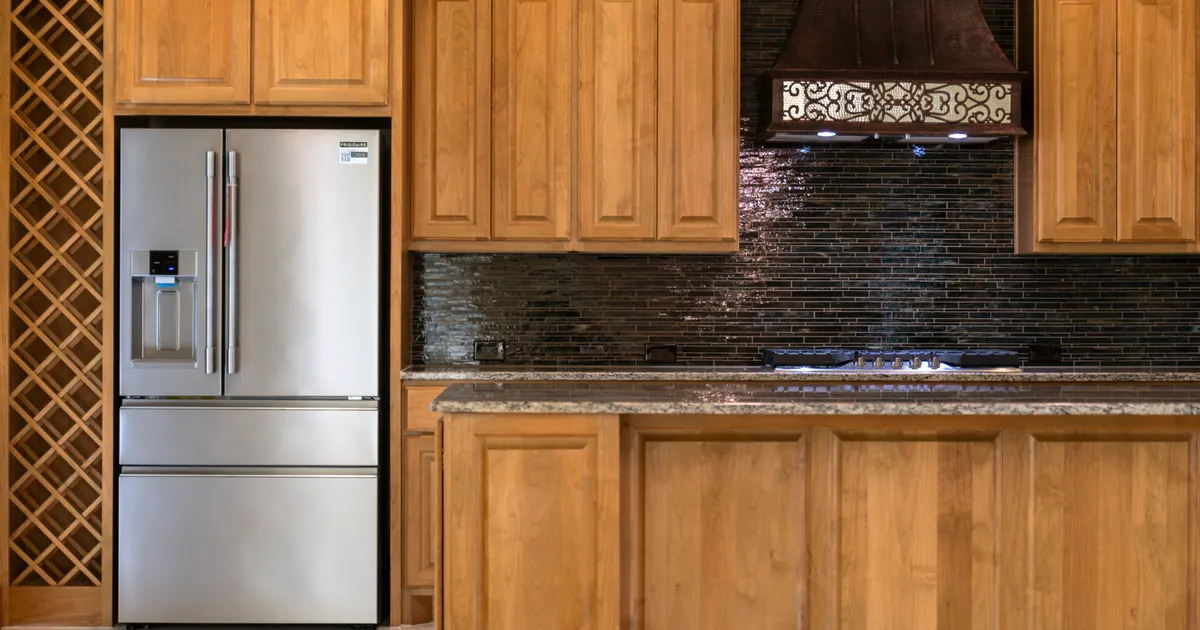
For your refrigerator, a vital hub of your kitchen, a tailored checklist can make all the difference. Quarterly, vacuum the condenser coils located at the back or underneath – dust accumulation significantly reduces efficiency and strains the compressor. Annually, check the door seals for airtightness; a simple paper test can reveal gaps that allow cold air to escape, wasting energy. Bi-annually, clean the drip pan beneath the unit to prevent odors and mold. Regularly wiping down interior surfaces, checking temperature settings, and ensuring proper ventilation around the unit are also simple, yet powerful, habits that contribute significantly to its longevity and efficiency, keeping your food fresher for longer and your energy bills lower.
Daily & Weekly Habits for Appliance Longevity
The secret to keeping appliances running smoothly often lies in the small, consistent actions we take. Daily habits, like wiping down the microwave after each use or cleaning spills immediately in the oven, prevent stubborn build-up that can become a major chore later. For your dishwasher, a quick scrape of plates before loading reduces food particle accumulation in the filter, which should be checked and cleaned weekly. These seemingly minor efforts contribute significantly to the overall cleanliness and operational efficiency of your appliances, preventing long-term issues.
On a weekly basis, consider emptying and cleaning the lint trap of your dryer after every single load – this isn’t just about efficiency, it’s a critical fire safety measure. For your washing machine, leaving the door ajar after a cycle helps prevent mildew and odors, and running an empty hot water cycle with a cup of white vinegar monthly can deep clean the drum. These simple, consistent routines are often overlooked, yet they are the bedrock of effective maintenance planning strategies for residential appliances, ensuring they remain reliable workhorses in your home.
When to Call in the Professionals
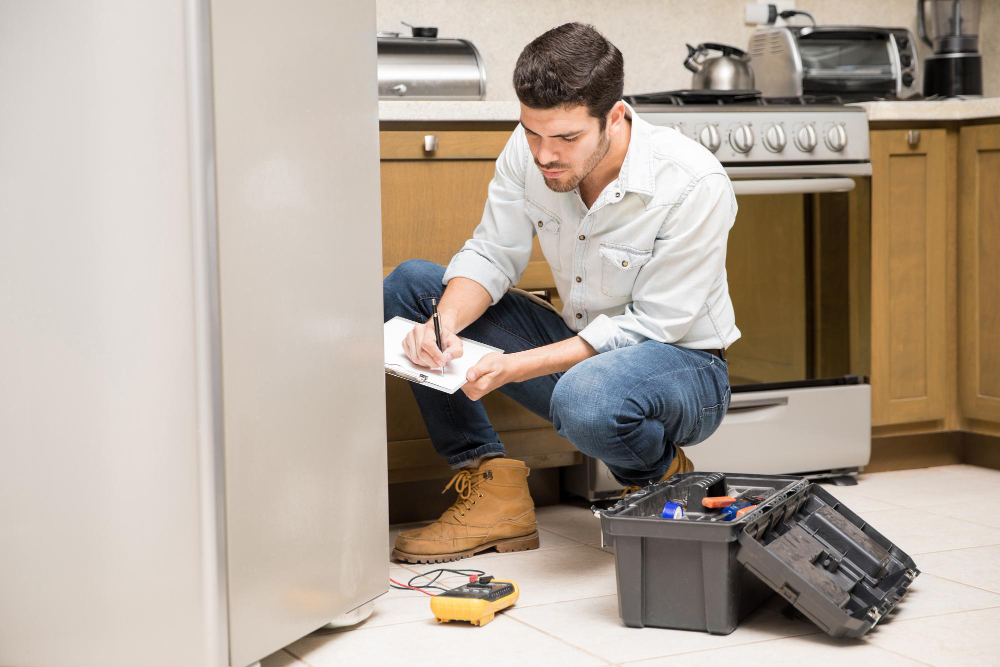
While DIY maintenance is empowering and cost-effective for many tasks, knowing when to bring in a certified professional is a crucial aspect of responsible appliance care. Complex issues like unusual noises from a refrigerator compressor, persistent leaks from a washing machine, or an oven that fails to hold temperature consistently are clear signals to step back and call an expert. Attempting intricate repairs without the necessary tools, knowledge, or safety precautions can often exacerbate the problem, void warranties, and even pose safety risks. Professional technicians have diagnostic equipment and specialized training to pinpoint root causes quickly and accurately.
Beyond emergency repairs, consider scheduling professional check-ups for your major appliances every few years, particularly for systems like HVAC and water heaters. These preventative visits can uncover hidden issues before they escalate into costly failures, ensure optimal performance, and provide a comprehensive overview of your appliance’s health. With advancements in appliance technology, especially looking ahead to 2026, professional insights become even more valuable. For example, the U.S. Department of Energy offers valuable resources on energy-efficient appliance maintenance, which often includes advice on professional servicing: https://www.energy.gov/energysaver/maintaining-your-appliances.
Embracing Smart Technology and Future Trends
The landscape of appliance maintenance is rapidly evolving, with smart technology playing an increasingly pivotal role. Many modern residential appliances now come equipped with Wi-Fi connectivity, offering features like diagnostic alerts, usage tracking, and even remote control via smartphone apps. Imagine your refrigerator notifying you when its water filter needs changing, or your washing machine sending a report on its performance metrics. Leveraging these integrated smart features can significantly streamline your maintenance planning strategies for residential appliances, turning reactive problem-solving into proactive, informed action.
Looking ahead to 2026 and beyond, we can anticipate even more sophisticated predictive maintenance capabilities. Appliances will likely become even better at self-diagnosing potential issues and communicating directly with service centers, potentially ordering replacement parts before a full breakdown occurs. While this technology is exciting, it doesn’t negate the need for basic user involvement. Understanding how to interpret these alerts and respond appropriately will be key to maximizing the lifespan and efficiency of your smart home ecosystem. Websites like Consumer Reports often review smart appliance features and their maintenance implications: https://www.consumerreports.org/appliances/.
Key Takeaways
- Proactive Maintenance Saves Money and Stress: Regular care extends appliance lifespan, reduces energy consumption, and prevents costly emergency repairs, offering peace of mind and significant financial savings over time.
- Build a Tailored Maintenance Schedule: Consult user manuals for manufacturer-recommended tasks and create a personalized calendar using digital tools or physical planners to track weekly, monthly, and annual maintenance duties for each appliance.
- Consistent Small Habits Make a Big Difference: Daily and weekly actions like cleaning lint traps, wiping down spills, and checking door seals are fundamental to preventing build-up, maintaining efficiency, and ensuring the safe operation of your residential appliances.
- Know When to Seek Expert Help: While DIY is great for basic tasks, complex issues, persistent malfunctions, or critical systems warrant professional intervention to ensure proper diagnosis, safe repair, and to preserve warranties, especially with advanced models becoming common by 2026.
Frequently Asked Questions
How often should I clean my dryer vent?
Beyond cleaning the lint trap after every load, the entire dryer vent system, from the back of the dryer to the exterior exhaust, should be inspected and cleaned annually. This prevents lint buildup, which is a significant fire hazard and also improves drying efficiency, saving energy.
Is an extended warranty worth it for major appliances?
My nuanced take is that it depends on the appliance, your budget, and the specific terms. While they offer peace of mind, many modern appliances are quite reliable, and some manufacturers offer decent standard warranties. Weigh the cost against the likelihood of expensive repairs for that specific model and your personal tolerance for risk before committing.
What’s the biggest mistake homeowners make regarding appliance maintenance?
Without a doubt, the biggest mistake is simply ignoring the user manual. These documents contain a wealth of appliance-specific care instructions, troubleshooting tips, and safety warnings that are crucial for optimal performance and longevity, yet they are often overlooked until a problem arises.
How can I find reliable appliance technicians in my area?
Start by asking for recommendations from friends, family, or local community groups. Check online reviews on platforms like Google, Yelp, or Angie’s List, and always verify that the technician is certified, insured, and specializes in your appliance brand or type. Getting multiple quotes can also be a good strategy.
Conclusion
Embracing proactive maintenance planning strategies for residential appliances isn’t just about chores; it’s a commitment to a smoother, more efficient, and ultimately more enjoyable home life. By dedicating a little time and attention now, you’re investing in the longevity of your valuable machines, sidestepping future headaches, and saving significant money. Let my refrigerator’s untimely demise be a lesson learned for us all: a well-cared-for appliance is a happy appliance, and a happy appliance means a happy homeowner.