I remember the distinct smell of ozone and burnt electronics that once permeated my garage. It was a 20-year-old washing machine, stubbornly refusing to drain, and I was armed with little more than a screwdriver and a healthy dose of stubborn optimism. Back then, appliance fault diagnosis models and troubleshooting techniques felt like an arcane art, a blend of intuition and sheer brute force. Today, with smart appliances and intricate digital controls, the landscape has transformed dramatically. We’ve moved beyond mere guesswork, embracing systematic approaches that not only identify problems faster but also prevent them, saving countless hours and curbing unnecessary landfill waste. It’s a fascinating evolution, one that marries traditional mechanical understanding with cutting-edge data science.
The Evolution of Appliance Troubleshooting
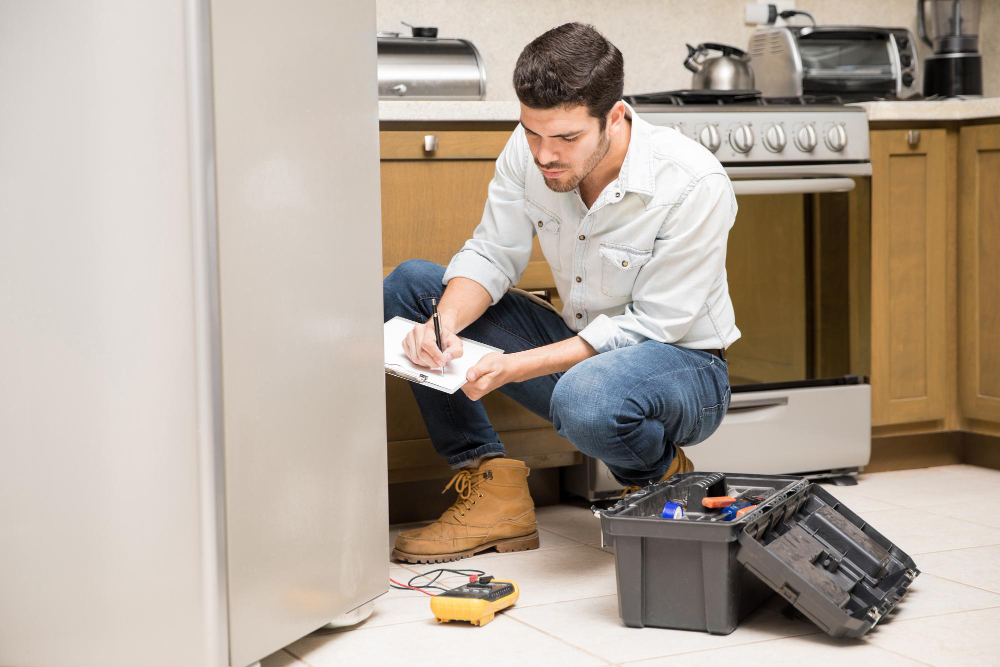
In the not-so-distant past, diagnosing a faulty appliance often involved a process akin to a treasure hunt, albeit one fraught with frustration. Technicians and homeowners alike would start with the most obvious culprits – is it plugged in? Is the circuit breaker tripped? – before descending into a rabbit hole of component testing, often replacing parts based on educated guesses rather than precise diagnosis. This trial-and-error method was time-consuming, expensive, and frequently led to multiple service calls, eroding trust and patience. It was a world where experience, often learned through painful mistakes, was the primary diagnostic tool.
- Common Appliance Failures: Troubleshoot & Fix Them Fast
- Smart appliance buying guide: What to look for before upgrading your modern kitchen
- How to fix a refrigerator that won't cool: Step-by-step diagnostic and repair guide
- Cordless vs Corded Power Tools Comparison for Home Use
- Equipment Performance Monitoring: Early Issue Detection for Proactive Maintenance
Thankfully, the era of haphazard troubleshooting is largely behind us. Modern approaches emphasize a structured, logical progression, leveraging advancements in electrical engineering, sensor technology, and even artificial intelligence. This shift allows for a more efficient identification of root causes, minimizing unnecessary part replacements and reducing diagnostic time. The focus has moved from simply fixing a symptom to understanding the underlying system failure, reflecting a more mature and scientific understanding of complex electromechanical devices, especially as we look towards the sophisticated appliances expected in 2026.
Core Diagnostic Models Explained
At the heart of effective appliance fault diagnosis lies a grasp of fundamental diagnostic models. Two primary philosophical approaches dominate: inductive and deductive reasoning. Inductive reasoning involves observing specific symptoms and then formulating a general theory or hypothesis about the fault. For example, noticing a dryer makes a screeching sound and smells of burning rubber might lead to an inductive hypothesis about a worn belt or motor bearing. It’s about pattern recognition and building a case from individual pieces of evidence. This method is particularly useful when encountering new or unusual failures.
Deductive reasoning, conversely, starts with a general theory or known system function and then tests specific hypotheses. If a refrigerator isn’t cooling, one might deduce that the compressor, thermostat, or refrigerant level is at fault, then systematically test each component. This approach often utilizes flowcharts and decision trees, guiding the diagnostician through a series of yes/no questions to narrow down the possibilities. It’s a highly efficient method for common problems with well-understood failure modes, providing a clear path to resolution, much like a well-designed algorithm. For further reading on logical reasoning in problem-solving, a resource like Oxford University’s Philosophy Department offers insightful perspectives.
The Power of Decision Trees
Decision trees are perhaps one of the most practical and widely used diagnostic models, especially for technicians with varying levels of experience. These hierarchical structures guide the user through a series of questions or tests, with each answer leading to a new branch, progressively eliminating potential faults until the root cause is identified. Imagine a simple tree: “Is the appliance receiving power?” If no, “Check outlet/breaker.” If yes, “Is the motor running?” and so on. This methodical approach minimizes errors and ensures no critical step is overlooked.
Beyond their simplicity, decision trees foster a systematic mindset, training the diagnostician to think critically and logically. They transform complex problems into manageable steps, making the process less intimidating and more repeatable. In an industry where time is money, and accuracy is paramount, integrating decision tree models into training and everyday troubleshooting workflows significantly boosts efficiency and reduces diagnostic time. They are an invaluable tool for mastering appliance fault diagnosis models and troubleshooting techniques.
Practical Troubleshooting Techniques
No matter how advanced the diagnostic model, practical, hands-on techniques remain indispensable. The first step is always a thorough sensory inspection. Listen for unusual noises – hums, clicks, grinding. Smell for burning plastic or ozone. Look for visible signs of damage: frayed wires, swollen capacitors, leaks, or scorch marks. Often, the most obvious clue is overlooked in the rush to perform complex tests. A keen eye and ear can often pinpoint the problem even before reaching for any tools.
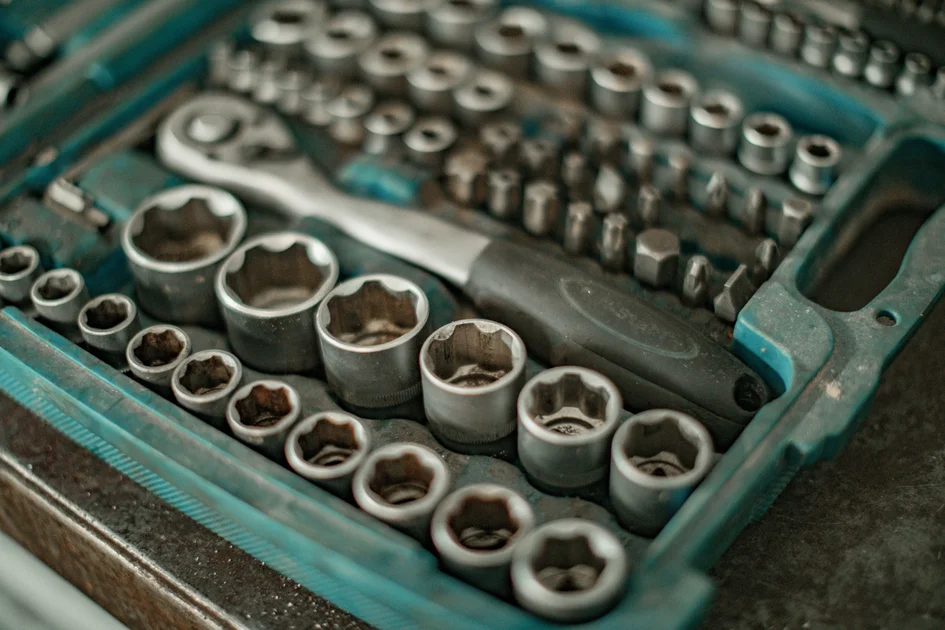
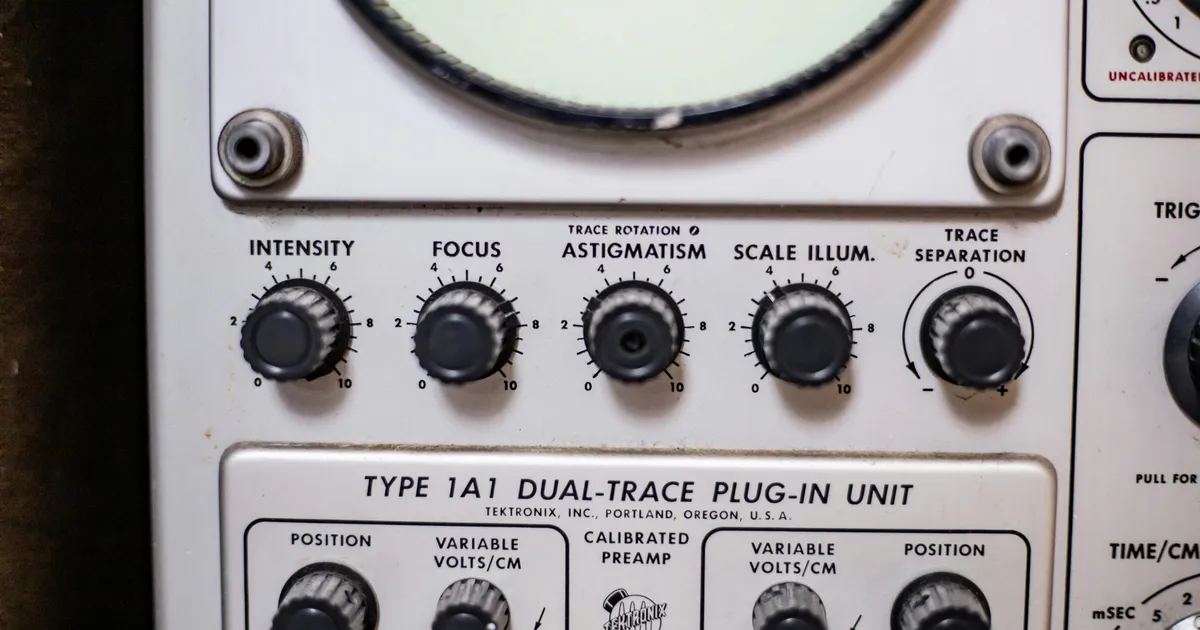
Beyond sensory checks, essential tools like a multimeter are critical. Understanding how to test for voltage, current, resistance, and continuity can quickly isolate electrical faults. A continuity test, for example, can confirm if a fuse is blown or a wire is broken. Always prioritize safety; ensure the appliance is unplugged before performing any internal checks. Consulting a reliable electrical safety guide, such as those provided by organizations like OSHA, is paramount before engaging with live circuits.
The Role of Technology in Modern Diagnosis
The advent of smart appliances has revolutionized appliance fault diagnosis models and troubleshooting techniques. Many modern units come equipped with self-diagnostic capabilities, often displaying error codes on their digital interfaces. These codes are invaluable, pointing directly to a specific component or system malfunction, significantly shortening diagnostic time. Some advanced appliances can even transmit diagnostic data directly to a service center or a technician’s mobile device, allowing for remote pre-diagnosis.
Looking ahead to 2026, the integration of the Internet of Things (IoT) and predictive maintenance will become even more prevalent. Appliances will not only self-diagnose but also proactively monitor their own performance and anticipate failures before they occur. Sensors will track wear and tear on critical components, flagging potential issues and ordering replacement parts automatically. This shift from reactive repair to proactive prevention promises to extend appliance lifespans and dramatically reduce unexpected breakdowns, making household management smoother and more efficient. Resources like IBM’s guide on predictive maintenance offer excellent insights into this evolving field.
Common Pitfalls and Best Practices
Even experienced technicians can fall prey to common diagnostic pitfalls. One prevalent issue is confirmation bias – the tendency to interpret new information as confirmation of existing beliefs. If you suspect a particular component, you might inadvertently overlook evidence pointing to a different cause. Always approach each diagnosis with an open mind, systematically eliminating possibilities rather than jumping to conclusions. Starting with the simplest, most obvious checks is a golden rule that often saves hours of frustration.
Adopting best practices is crucial for consistent success. Thorough documentation of symptoms, tests performed, and resolutions is invaluable for future reference and for tracking recurring issues. Never underestimate the power of manufacturer service manuals; they contain detailed schematics, test procedures, and specific error code explanations. Continuous learning is also vital; appliance technology evolves rapidly, so staying updated on new models and diagnostic tools is not just beneficial, but essential for mastering appliance fault diagnosis models and troubleshooting techniques.
Key Takeaways
- Effective appliance fault diagnosis has evolved from guesswork to systematic, logical models, saving time and money.
- Understanding both inductive and deductive reasoning, along with practical tools like decision trees, is fundamental for accurate troubleshooting.
- Practical techniques such as sensory inspection, multimeter use, and strict adherence to safety protocols are indispensable for hands-on diagnosis.
- Technology, including self-diagnosing smart appliances and future predictive maintenance via IoT, is transforming how we approach and prevent faults.
Frequently Asked Questions
What is the most common mistake people make when troubleshooting appliances?
Often, the biggest mistake is not checking the simplest things first. People tend to immediately assume a complex internal failure when the problem might be as straightforward as a tripped circuit breaker, a clogged filter, or a door not fully latched. Always start with the basics before delving into intricate diagnostics.
How can I stay updated on new appliance diagnostic techniques?
Staying current involves a multi-faceted approach. Regularly read industry publications, attend manufacturer training seminars, and participate in online forums or communities dedicated to appliance repair. Many manufacturers provide online resources and technical bulletins, which are excellent for learning about new models and common issues as they emerge.
Is it safe to troubleshoot electrical appliances myself?
While basic troubleshooting like checking plugs or cleaning filters is generally safe, any task involving opening the appliance’s casing or working with electrical components carries risks. Always unplug the appliance before internal inspection and if you’re uncomfortable or unsure, it’s always best to call a certified professional. Electrical safety should be your top priority.
What role does historical data play in modern appliance diagnosis?
Historical data is incredibly valuable. It helps identify common failure points for specific models or brands, informing predictive maintenance and guiding technicians towards likely culprits. This data, often collected through service records and manufacturer analysis, allows for more efficient diagnostic paths and can even influence future appliance design to improve reliability.
Conclusion
Mastering appliance fault diagnosis models and troubleshooting techniques is an incredibly rewarding skill, transforming frustrating breakdowns into manageable challenges. By embracing logical models, leveraging practical expertise, and staying abreast of technological advancements, we can approach appliance failures with confidence and competence. The journey from guesswork to systematic analysis is one of continuous learning and refinement, ensuring our household workhorses remain reliable and efficient, well into 2026 and beyond. A well-diagnosed and repaired appliance is not just a functioning machine, but a testament to informed problem-solving.