I remember a time, early in my career, when a critical piece of machinery failed without warning. The ripple effect was catastrophic: production halted, deadlines were missed, and the cost of emergency repairs and lost revenue dwarfed what proactive maintenance would have been. It was a stark, painful lesson that solidified my belief in the absolute necessity of equipment performance monitoring for early issue detection. This isn’t just about fixing things; it’s about anticipating the future, preventing crises, and ensuring operational continuity. It’s about moving from a reactive, fire-fighting mentality to a strategic, forward-thinking approach that safeguards your assets and your bottom line.
The High Cost of Reactive Maintenance
The traditional “run-to-failure” approach to equipment maintenance might seem straightforward initially – you only fix something when it breaks. However, this strategy is a false economy, fraught with hidden and exorbitant costs. Unplanned downtime can cripple production schedules, lead to missed customer commitments, and incur significant expenses for expedited repairs, overtime wages, and often, the replacement of entire components that might have been salvageable with earlier intervention. Beyond the immediate financial hit, there’s also the damage to reputation and employee morale when operations are constantly disrupted by preventable breakdowns.
- Dishwasher not draining? How to clear clogs and repair drainage pump faults
- DIY Home Repair Mistakes That Can Lead to Costly Damage
- Professional-Grade Tools vs. DIY: The Ultimate Comparison for Home Upgrades
- Smart Home Maintenance Strategies for Long Term Savings
- Product Buying Guide for Reliable Home Repair Equipment
My experience has taught me that waiting for a catastrophic failure is akin to playing Russian roulette with your operational efficiency. The true cost extends far beyond parts and labor; it encompasses lost opportunities, safety risks, and the stress placed on an organization scrambling to recover. Embracing a proactive stance, driven by intelligent monitoring, transforms this chaotic unpredictability into a managed process, allowing for scheduled interventions that are less disruptive, more cost-effective, and fundamentally safer. It’s about taking control, rather than being controlled by your machinery.
What is Performance Monitoring?
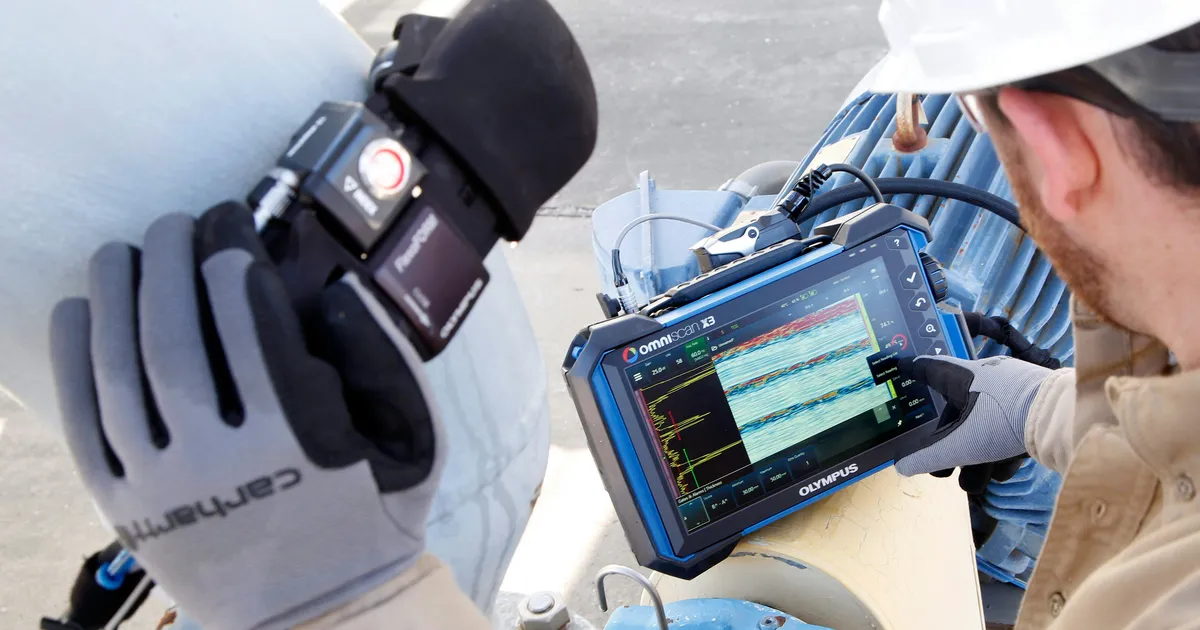
At its core, equipment performance monitoring involves systematically collecting and analyzing data from machinery to understand its operational health and predict potential failures before they occur. This isn’t just about a simple gauge reading; it’s a sophisticated interplay of sensors, data acquisition systems, and analytical tools that provide a continuous, real-time snapshot of an asset’s condition. Think of it as giving your equipment a regular, comprehensive health check, allowing you to spot subtle changes that signal an impending problem long before any visible symptoms emerge.
The data collected can be incredibly diverse, ranging from vibration analysis that reveals imbalances or bearing wear, to temperature readings indicating overheating, pressure fluctuations, electrical current variations, and even acoustic signatures. Each data point tells a part of the story, and when these streams are correlated and analyzed, they paint a complete picture of an asset’s performance trajectory. This holistic view is what empowers maintenance teams to shift from guesswork to data-driven decisions, optimizing maintenance schedules and extending the lifespan of valuable assets.
Technologies Powering Early Detection
The revolution in equipment performance monitoring has been largely fueled by advancements in interconnected technologies. The Internet of Things (IoT) plays a pivotal role, enabling sensors to communicate wirelessly and seamlessly, sending vast amounts of operational data to centralized platforms. This constant stream of information, often too voluminous for human analysis, is then processed using powerful artificial intelligence (AI) and machine learning (ML) algorithms. These algorithms are adept at identifying subtle patterns, anomalies, and deviations from normal operating parameters that might escape human observation, acting as an early warning system.
Cloud computing provides the scalable infrastructure necessary to store and process this deluge of data, making it accessible from anywhere and enabling advanced analytics without requiring massive on-premise IT investments. Furthermore, sophisticated analytics platforms transform raw data into actionable insights, presenting complex information through intuitive dashboards and alerts. The synergy of IoT, AI/ML, and cloud technology creates a powerful ecosystem that not only monitors but also intelligently interprets equipment behavior, providing unprecedented visibility into asset health and enabling truly predictive maintenance strategies. For a deeper dive into industrial IoT, the National Institute of Standards and Technology (NIST) offers valuable resources.
Implementing a Robust Monitoring System
Implementing an effective equipment performance monitoring system requires careful planning and strategic execution. It begins with a thorough assessment of your existing assets, identifying critical machinery, understanding their failure modes, and determining which parameters are most indicative of their health. Selecting the right sensors—whether for vibration, temperature, oil analysis, or electrical current—is crucial, as is establishing a reliable network infrastructure for data transmission. The goal is to collect relevant, accurate data without overwhelming your systems or personnel.
Once data collection is in place, the next steps involve integrating the monitoring platform with your existing enterprise resource planning (ERP) or computerized maintenance management systems (CMMS). This ensures that insights from the monitoring system directly trigger work orders and maintenance tasks, streamlining the entire process. Furthermore, investing in training for your maintenance and operations teams is paramount; they need to understand how to interpret the data, respond to alerts, and leverage the system’s full capabilities. A well-implemented system transforms data into a powerful tool for operational excellence.
Choosing the Right Metrics
One of the most critical aspects of successful equipment performance monitoring is the judicious selection of key performance indicators (KPIs) and metrics. It’s easy to get caught up in collecting every conceivable data point, but true effectiveness comes from focusing on what truly matters for each specific asset. For a rotating machine, vibration levels, bearing temperatures, and motor current might be paramount. For a pump, pressure differentials, flow rates, and seal integrity could be key. Understanding the specific failure modes of your equipment helps in prioritizing which metrics provide the earliest and most reliable indicators of potential issues. This targeted approach ensures that your monitoring efforts are efficient and yield actionable intelligence, preventing data overload and focusing resources where they can have the greatest impact.
The ROI and Future of Proactive Maintenance
The return on investment (ROI) for equipment performance monitoring is often substantial and multifaceted. By transitioning from reactive to predictive maintenance, organizations typically experience significant reductions in unplanned downtime, sometimes by as much as 50% or more. This translates directly into increased production uptime, higher throughput, and greater revenue generation. Furthermore, proactive detection allows for smaller, less intensive repairs, extending the operational life of assets and deferring costly capital expenditures for replacements. My clients consistently report substantial savings in maintenance costs, spare parts inventory, and even energy consumption, as optimized equipment runs more efficiently.
Looking ahead to 2026 and beyond, the future of proactive maintenance is incredibly exciting, with innovations like digital twins and prescriptive analytics poised to become mainstream. Digital twins, virtual replicas of physical assets, will enable even more precise simulations of performance and failure scenarios. Prescriptive analytics will go beyond predicting what might fail to recommending exactly what action to take and when to take it, optimizing interventions even further. This evolution, driven by continuous technological advancement, promises even greater levels of operational efficiency, safety, and sustainability across industries, making equipment performance monitoring an indispensable strategic advantage.
Key Takeaways
- Shift from Reactive to Proactive: Embrace equipment performance monitoring to prevent costly, unexpected failures, moving beyond traditional “run-to-failure” maintenance. This strategic shift minimizes downtime, reduces repair costs, and enhances overall operational stability.
- Leverage Advanced Technologies: The synergy of IoT sensors, AI/ML analytics, and cloud computing provides real-time insights into equipment health. These technologies enable the detection of subtle anomalies that precede major breakdowns, giving ample time for intervention.
- Strategic Implementation is Crucial: A successful monitoring system requires careful planning, including asset assessment, appropriate sensor selection, seamless integration with existing systems (like CMMS), and thorough training for maintenance teams. Focus on collecting actionable data.
- Significant ROI and Future Potential: Investing in performance monitoring yields substantial returns through reduced downtime, extended asset lifespan, and optimized maintenance schedules. Future advancements like digital twins and prescriptive analytics promise even greater efficiencies by 2026.
Frequently Asked Questions
What’s the main difference between predictive and preventative maintenance?
Preventative maintenance is time-based or usage-based (e.g., changing oil every 3 months), while predictive maintenance, powered by performance monitoring, uses real-time data to predict when maintenance is actually needed, optimizing schedules and reducing unnecessary interventions. Predictive is data-driven; preventative is schedule-driven.
Is equipment performance monitoring only for large industrial operations?
Not at all. While large industries benefit immensely, the scalability and affordability of modern IoT and cloud solutions mean that even small to medium-sized businesses with critical assets can implement effective monitoring systems. The benefits of avoiding downtime are universal.
How quickly can I expect to see ROI after implementing a system?
While specific timelines vary based on industry, asset criticality, and initial investment, many organizations begin to see tangible benefits, such as reduced unplanned downtime and optimized maintenance schedules, within 6 to 12 months. Significant ROI often accumulates over 1-3 years as the system matures.
What are the biggest challenges in implementing a new monitoring system?
Key challenges include initial investment costs, integrating new technology with legacy systems, managing the vast amounts of data generated, and ensuring proper training and adoption by staff. Overcoming these requires strong leadership, clear objectives, and a phased implementation approach. For more on overcoming these challenges, consider resources from the MaintWorld magazine for practical advice.
Conclusion
Embracing equipment performance monitoring for early issue detection is no longer a luxury; it’s a strategic imperative for any organization aiming for operational excellence and sustained profitability. By harnessing the power of data, we can transform maintenance from a reactive burden into a proactive, value-generating function. The foresight gained prevents costly failures, extends asset life, and optimizes resources, leading to a more resilient and efficient operation. Invest in monitoring today, and secure a smoother, more predictable operational future for your assets well into 2026 and beyond.