That sinking feeling when the refrigerator stops humming, or the dryer goes silent mid-cycle, is a universal experience, isn’t it? I remember the first time my washing machine refused to drain, leaving a tub full of soapy water. My initial panic quickly gave way to a methodical approach, and I discovered that many common appliance fault correction methods for residential use are surprisingly straightforward, requiring little more than a screwdriver and a dose of patience. Before calling a costly technician, understanding basic troubleshooting can save you significant time, money, and stress. This isn’t just about fixing a machine; it’s about empowering yourself against the inevitable hiccups of modern living, ensuring your home runs smoothly well into 2026.
The First Suspect: Power & Connectivity
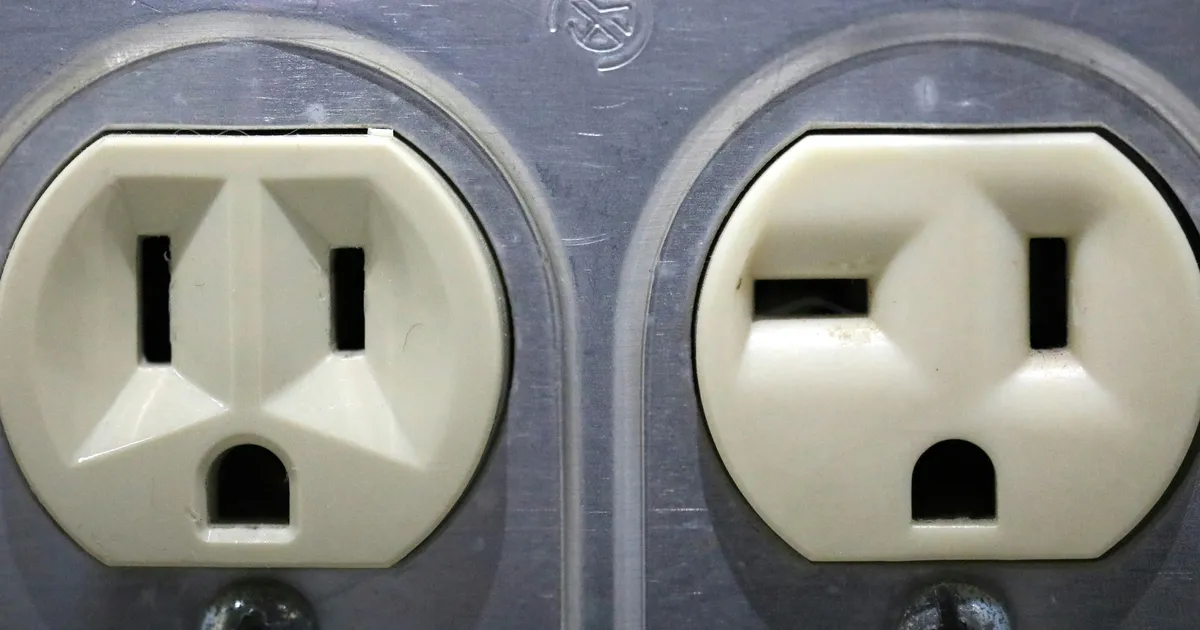
More often than not, an appliance that appears “dead” isn’t actually broken, but simply lacks proper power. Always begin by checking the power cord for any visible damage or loose connections at both the appliance and the wall outlet. Next, investigate your home’s circuit breaker panel. A tripped breaker will be noticeably out of alignment with the others; simply flip it firmly to the “off” position, then back to “on.” For appliances connected to a Ground Fault Circuit Interrupter (GFCI) outlet, especially in kitchens or bathrooms, press the “reset” button. These simple steps resolve a surprisingly high percentage of service calls.
- How to fix a refrigerator that won't cool: Step-by-step diagnostic and repair guide
- Advanced Home Repair Tools: Expert Usage, Safety Standards & Practical Applications
- Dishwasher Not Draining? Evaluate & Repair Drainage System Faults
- Power Tool Reviews and Comparisons for DIY Enthusiasts
- How to check hand tool quality standards to ensure lifetime durability and safety
If the breaker isn’t tripped and the outlet appears fine, consider testing the outlet itself. You can do this by plugging in another small, functional appliance, like a lamp or phone charger, to confirm it’s delivering power. Sometimes, an appliance might hum faintly but refuse to operate, indicating it’s receiving some power but not enough to engage fully. This could point to an internal issue or, less commonly, an overloaded circuit. Always ensure the appliance is plugged directly into a wall outlet, avoiding extension cords which can sometimes cause voltage drops or not handle the required amperage, leading to operational failures.
Understanding Your Home’s Electrical Grid
Before you even touch an appliance, knowing the basics of your home’s electrical setup is paramount for safety. Locate your main circuit breaker panel and familiarize yourself with which breakers control which areas or specific appliances. Many panels are helpfully labeled. Understanding the difference between a standard outlet and a GFCI outlet (which typically has “test” and “reset” buttons) is also crucial. GFCIs are designed to prevent electrical shock by tripping rapidly when they detect an imbalance in current, making them essential for areas near water. Knowledge of these components empowers you to safely diagnose and address power-related issues without unnecessary risk.
Decoding Appliance Noises and Smells
Appliances often communicate their distress through unusual noises or odors. A sudden grinding sound from a dishwasher might indicate a foreign object in the pump or drain, while a persistent squealing from a dryer typically points to worn drum rollers or a faulty idler pulley. Don’t ignore these auditory cues; they are early warnings that can prevent more significant damage. For example, a refrigerator compressor cycling too frequently or loudly could signal dirty condenser coils, causing it to overwork. Addressing these sounds promptly can extend your appliance’s lifespan and maintain its efficiency, saving future repair costs.
Unpleasant smells are another clear indicator of trouble. A burning smell from an oven or toaster could be food residue, but if it persists or intensifies, it might signify a failing heating element or wiring issue. A pungent, metallic odor often suggests an electrical short. For gas appliances, any smell of gas requires immediate attention; turn off the appliance, open windows, and if the smell persists, evacuate and contact your gas company or emergency services without delay. Never attempt to troubleshoot a suspected gas leak yourself. Safety should always be your absolute priority, overriding any DIY inclination. For more on appliance safety, consult resources like the U.S. Consumer Product Safety Commission.
Water Where It Shouldn’t Be: Leaks and Clogs
A puddle on the floor is an undeniable sign of trouble, particularly with washing machines, dishwashers, or refrigerators. For washing machines, check the inlet and drain hoses for cracks, loose connections, or blockages. The pump filter, often located at the bottom front of the machine, can also become clogged with lint and debris, impeding drainage and causing overflows. With dishwashers, inspect the door seal for tears, ensure the spray arms aren’t blocked, and clean the filter at the bottom of the tub. Many leaks are preventable with routine inspections and timely maintenance of these easily accessible components.
Refrigerator leaks often stem from a clogged defrost drain line. Over time, food particles and ice can obstruct this line, causing water to back up and spill from the freezer compartment or underneath the fridge. Clearing this line, typically with a turkey baster and warm water, can resolve the issue. Always remember to unplug the appliance before undertaking any work involving water or electrical components. Regularly cleaning filters and ensuring hoses are secure can prevent most water-related mishaps, preserving both your appliance and your flooring from damage in 2026 and beyond.
When Temperatures Go Awry
When a refrigerator fails to cool, but the light is on, the problem often lies beyond the power source. Start by checking the thermostat settings; someone might have inadvertently adjusted them. Next, inspect the condenser coils, usually located on the back or underneath the unit. If they are caked with dust and pet hair, they cannot dissipate heat efficiently, forcing the compressor to overwork. A thorough vacuuming can often restore proper cooling. Also, examine the door seals for any tears or gaps that allow cold air to escape, compromising the internal temperature. A simple dollar bill test (if it pulls out easily when placed in the door seal, the seal is weak) can help diagnose this.
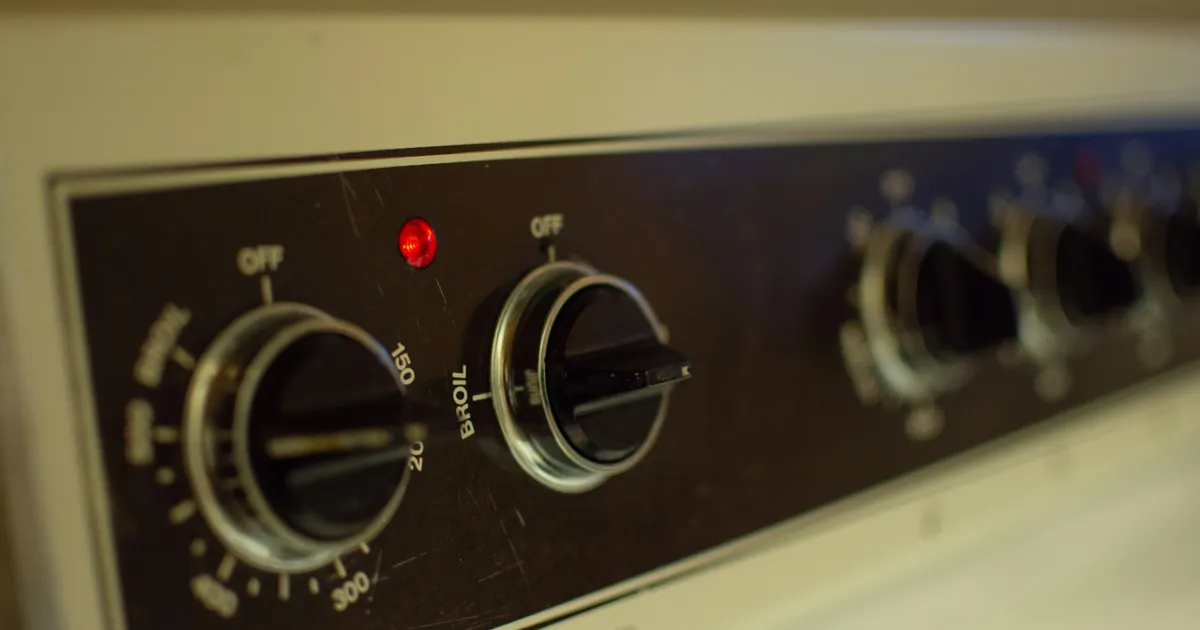
An oven that refuses to heat, or heats unevenly, can be frustrating. For electric ovens, the issue often points to a faulty heating element. Visually inspect both the bake and broil elements; if they appear broken, blistered, or discolored, they likely need replacement. Gas ovens, conversely, frequently suffer from igniter problems. If you hear gas flowing but the igniter doesn’t glow red and light the burner within 60 seconds, it’s probably weak or failed. These components are typically user-replaceable with some basic tools and caution, but always consult your appliance’s specific manual for detailed instructions or consider professional help for gas components. For general appliance troubleshooting tips, a resource like Consumer Reports can be invaluable.
The Rise of Smart Appliance Diagnostics
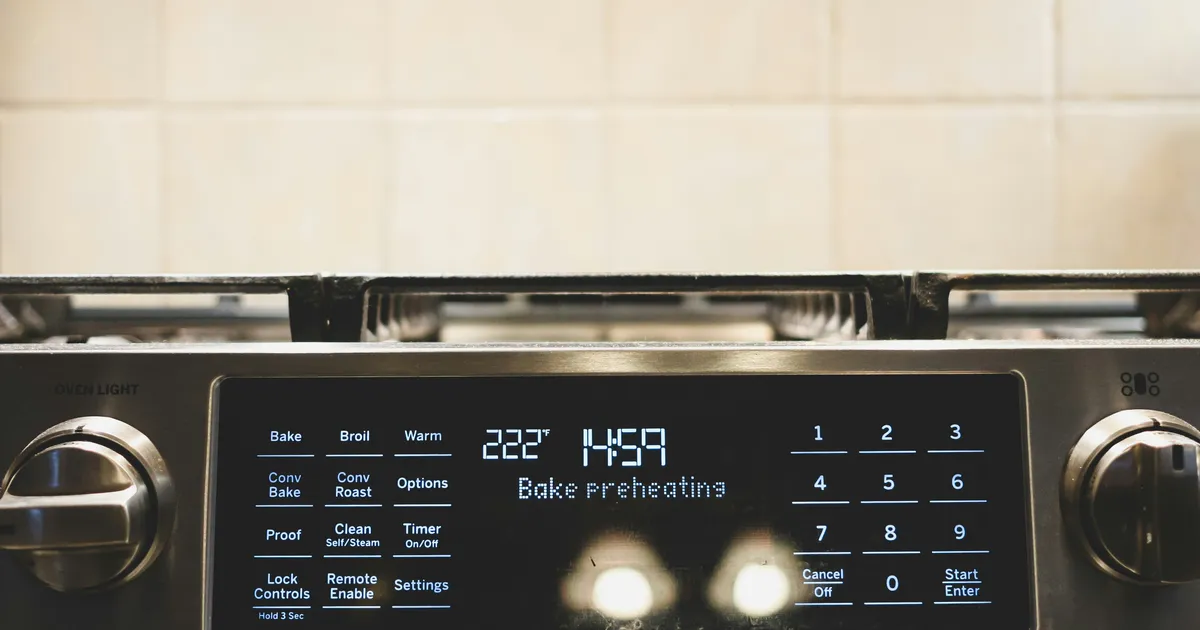
Modern appliances, especially those manufactured in the last few years and certainly by 2026, increasingly feature sophisticated self-diagnostic systems. When something goes wrong, many units will display an error code on their digital interface. This isn’t just a cryptic message; it’s a key to understanding the problem. Always refer to your appliance’s user manual (or look it up online on the manufacturer’s website) to decipher these codes. They can pinpoint issues ranging from an unbalanced load in a washing machine to a faulty sensor in a refrigerator, guiding your troubleshooting efforts precisely and efficiently.
Beyond error codes, many smart appliances offer reset procedures that can clear minor glitches or software bugs. A simple power cycle – unplugging the appliance for a few minutes and then plugging it back in – often resolves temporary electronic issues. Some high-end models even allow for firmware updates, which can fix known bugs and improve performance. When faced with a perplexing digital issue, don’t hesitate to contact the manufacturer’s customer support. They often have proprietary diagnostic tools or knowledge that can help you troubleshoot remotely, potentially saving you a service call for a quick fix.
Key Takeaways
- Always Prioritize Safety: Before attempting any repair, disconnect the appliance from its power source. For gas appliances, if you suspect a leak, turn off the gas supply and seek professional help immediately.
- Start with the Simplest Solutions: Many faults are due to basic issues like tripped breakers, loose cords, clogged filters, or incorrect settings. Methodically check these common culprits first.
- Consult Your User Manual: This invaluable resource contains specific troubleshooting guides, error code explanations, and diagrams tailored to your exact appliance model. It’s often your best first step.
- Know When to Call a Professional: While DIY is empowering, some repairs require specialized tools, deep electrical/gas knowledge, or are simply too complex or dangerous for an amateur. Recognize your limits to prevent further damage or injury.
Frequently Asked Questions
My refrigerator isn’t cooling, but the light is on. What’s wrong?
If your fridge light works but it’s not cooling, first check the temperature settings to ensure they haven’t been accidentally adjusted. Then, inspect the condenser coils (usually at the back or underneath) for dust buildup, which can impede cooling. Also, check the door seals for any gaps that might be letting cold air escape. If these basic checks don’t resolve it, you might have an issue with the compressor, thermostat, or a fan motor, which often warrant professional attention.
My washing machine won’t spin. What should I check?
A washing machine failing to spin often points to an unbalanced load, which the machine’s safety features prevent it from doing. Redistribute the clothes evenly and try again. If that doesn’t work, check the drain pump filter for clogs, as the machine won’t spin if it can’t drain properly. A faulty lid switch (for top-loaders) or door latch (for front-loaders) is another common culprit, preventing the spin cycle from engaging. Lastly, check the belt for any breakage or slippage.
Is it safe to fix gas appliances myself?
Working with gas appliances carries significant risks, including gas leaks, fires, and explosions. While some very minor issues like cleaning burner caps might be acceptable, anything involving gas lines, internal components, or suspected leaks should always be left to a certified professional. Never attempt to diagnose or repair a gas leak yourself. Your safety and the safety of your household are paramount.
How often should I perform appliance maintenance?
The frequency of maintenance varies by appliance. Generally, you should clean refrigerator condenser coils every 6-12 months, clear dryer lint traps after every load and the vent every 3-6 months, and clean dishwasher filters monthly. Checking washing machine hoses annually and defrosting freezers as needed are also good practices. Proactive, regular maintenance prevents many common faults and extends the life of your appliances significantly.
Conclusion
Empowering yourself with basic common appliance fault correction methods for residential use is a valuable skill in any modern home. From a simple tripped breaker to deciphering an error code, many issues are well within the grasp of the average homeowner. This proactive approach not only saves money on service calls but also builds confidence and fosters a deeper understanding of your home’s essential machinery. Remember, safety first, consult your manual, and don’t hesitate to call in the experts when a repair is beyond your comfort or skill level. Your appliances, and your wallet, will thank you for it in 2026.