I remember a particular Saturday afternoon, years ago, when a seemingly simple task—tightening a loose toilet seat—turned into a nightmare. My cheap, flimsy screwdriver, a relic from a discount bin, twisted and stripped mid-turn, leaving me with a mangled screw, a scratched porcelain bowl, and a throbbing hand. That frustrating incident was a powerful, albeit painful, lesson in the true cost of false economy. It hammered home the indispensable value of durability-focused tool selection for residential maintenance, a principle that has since guided every single purchase I make. Investing in quality tools isn’t just about avoiding frustration; it’s about efficiency, safety, and ultimately, saving money and time in the long run.
Why Durability Matters Beyond Initial Cost
Many homeowners, myself included in my early days, fall into the trap of purchasing the cheapest tools available, believing they’re saving money. However, this often proves to be a false economy. A tool that bends, breaks, or strips on its first significant use not only wastes your initial investment but can also damage the very item you’re trying to fix. Imagine a poorly cast wrench rounding off a bolt head, turning a five-minute repair into an hour-long ordeal involving bolt extractors and immense frustration.
- Basic Electrical Appliance Repair: Easy Home DIY Fixes
- Essential Hand Tools Every Homeowner Should Have
- How to test and compare major home appliance performance metrics before buying
- DIY Repair Tips for Fixing Everyday Home Equipment
- Equipment Performance Monitoring: Early Issue Detection for Proactive Maintenance
Beyond the immediate financial and time costs, durability directly impacts safety. A cheap hammer with a loose head, or a screwdriver with a brittle tip, poses a significant risk of injury. Tools that fail under pressure can cause cuts, scrapes, or worse. For anyone serious about maintaining their home effectively and safely, understanding that a durable tool is a long-term investment in both project success and personal well-being is paramount. This mindset shifts the focus from price tag to value over time, ensuring your toolkit is a reliable partner for years, even into 2026 and beyond.
Core Materials and Construction: The Foundation of Longevity
When evaluating tools, the materials and construction methods are often the most telling indicators of durability. For hand tools like wrenches, sockets, and screwdrivers, look for chrome vanadium steel or S2 tool steel. These alloys offer superior hardness, torque resistance, and corrosion protection compared to softer, less refined metals. Similarly, the forging process, where metal is shaped under immense pressure, creates a much stronger, more resilient tool than those made from cast or stamped methods, which can introduce weak points.
For power tools, the quality of internal components and the housing material are critical. Magnesium alloy or high-grade, impact-resistant plastics for the casing offer better protection against drops and impacts than cheaper alternatives. Brushless motors, while often pricier, provide greater efficiency, longer lifespan, and require less maintenance than traditional brushed motors. Always scrutinize the small details, such as sealed bearings to protect against dust and debris, as these contribute significantly to a tool’s overall resilience and operational lifespan. A tool built with attention to these details will serve you reliably.
Understanding Material Grades for Hand Tools
Delving deeper into hand tool materials, it’s beneficial to understand specific grades. For instance, AISI 4140 alloy steel, often seen in high-quality impact sockets, offers an excellent balance of toughness and wear resistance. Similarly, certain screwdriver bits use proprietary steel blends, sometimes coated with titanium nitride (TiN) or black oxide, to enhance their resistance to cam-out and corrosion. A quick search on a reputable tool manufacturer’s website, such as AcmeTools.com, often provides detailed specifications on material grades, allowing you to make informed comparisons. This level of detail confirms the manufacturer’s commitment to quality and transparency, signaling a durable product.
Ergonomics and User Experience: A Hidden Durability Factor
It might seem counterintuitive, but ergonomics plays a significant role in a tool’s durability. A tool that is comfortable to hold, balanced, and easy to use is less likely to be dropped or mishandled. When a tool fits well in your hand, reducing strain and fatigue, you maintain better control, minimizing accidental impacts against hard surfaces or other tools. This direct correlation means that a well-designed ergonomic grip, whether it’s a multi-component handle on a screwdriver or vibration-dampening features on a power tool, indirectly extends the tool’s life by reducing the likelihood of damage from user error.
Beyond physical comfort, a tool designed for intuitive use also contributes to longevity. Clear markings, easy-to-adjust settings, and logical button placement prevent fumbling and frustration, which can often lead to accidental drops or improper usage. Tools that are a pleasure to use are also more likely to be cared for properly and stored correctly after each task. This attention to the user experience is a hallmark of manufacturers who truly understand the long-term value of their products, ensuring they remain effective and reliable for years to come.
Brands, Warranties, and Customer Support
While brand loyalty can sometimes be misguided, in the realm of durable tools, reputable brands often earn their status through consistent quality and robust warranty policies. Companies like Snap-on, Klein Tools, and Milwaukee have built their reputations on manufacturing tools that withstand the rigors of professional use, which translates directly to exceptional durability for residential applications. These brands typically back their products with comprehensive lifetime warranties, a testament to their confidence in their engineering and materials. Always read the fine print of any warranty, understanding what it covers and for how long, as this is a powerful indicator of a company’s commitment to durability.
Furthermore, strong customer support is an invaluable asset. Should an issue arise, knowing that you can easily contact the manufacturer for parts, repairs, or warranty claims adds significant value to your investment. A company that stands by its products years after purchase demonstrates a commitment to quality that extends beyond the initial sale. Before making a significant purchase, a quick check of online reviews regarding a brand’s warranty fulfillment and customer service can provide crucial insights, ensuring your durability-focused tool selection is protected well into the future, even as trends evolve in 2026.
Maintenance and Storage: Maximizing Lifespan
Even the most durable tools require proper care to achieve their maximum lifespan. Neglecting simple maintenance can drastically shorten the life of even a high-quality instrument. This includes regular cleaning to remove dirt, grease, and debris, which can cause wear on moving parts or accelerate corrosion. For metal tools, a light coating of oil, especially in humid environments, can prevent rust. Power tools benefit from periodic checks of brushes (if applicable), lubrication of gears, and ensuring ventilation ports are clear to prevent overheating, which can damage internal components.
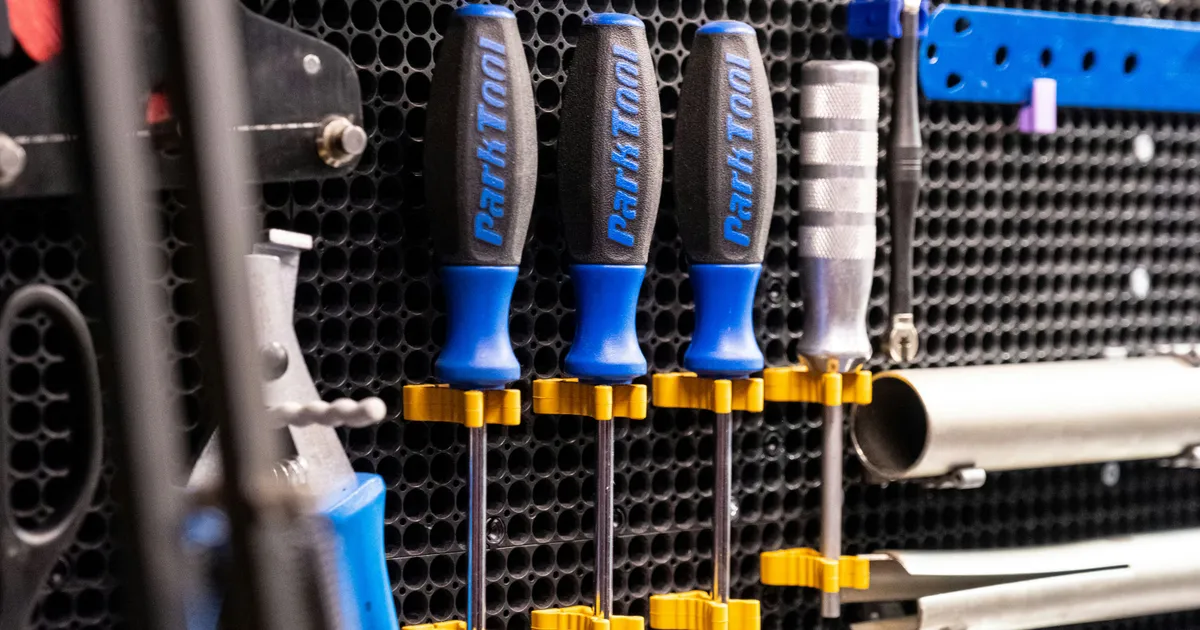
Proper storage is equally critical. Tools left exposed to the elements, tossed haphazardly into a drawer, or piled in a damp garage are far more prone to damage and degradation. Investing in a sturdy toolbox, a wall-mounted pegboard, or custom drawer organizers not only keeps your workspace tidy but also protects your tools from impacts, moisture, and dust. Keeping cutting edges sharp and moving parts lubricated ensures they are ready for action and prevents unnecessary strain during use. A well-organized and maintained tool collection is a testament to a homeowner’s commitment to both efficiency and longevity.
Key Takeaways
- Prioritize Value Over Price: Resist the urge to buy the cheapest tools; durable tools are a long-term investment that saves money, time, and prevents frustration by performing reliably for years.
- Scrutinize Materials and Construction: Look for high-grade alloys like chrome vanadium steel, forged construction, and robust housing materials in power tools. These are the bedrock of a tool’s resilience.
- Consider Ergonomics and User Experience: Tools that are comfortable and intuitive to use are less likely to be dropped or misused, indirectly extending their lifespan and enhancing safety during residential maintenance tasks.
- Leverage Reputable Brands and Warranties: Choose brands known for quality and strong customer support, ideally offering comprehensive lifetime warranties. This provides peace of mind and protection for your investment into 2026 and beyond.
Frequently Asked Questions
Is brand really that important for tool durability?
While not the sole determinant, a reputable brand often signifies consistent quality control, superior material selection, and robust engineering. Established brands have a reputation to uphold, leading them to invest more in research, development, and stringent testing, which directly translates to more durable products that are often backed by strong warranties. It’s a strong indicator, but always combine it with your own material inspection.
How can I identify quality materials if I’m not an expert?
Look for specific material call-outs like “chrome vanadium steel” or “S2 tool steel” on packaging or product descriptions. For plastics, “high-impact resistant” or “glass-filled nylon” are good signs. Generally, heavier tools of the same size often indicate more material or denser, higher-quality alloys. Also, examine the finish: smooth, even coatings suggest better manufacturing processes. Online reviews often highlight material quality too.
Are more expensive tools always more durable?
Not always, but there’s a strong correlation. Higher prices often reflect better materials, more precise manufacturing processes, advanced engineering, and robust quality control. While you can find overpriced tools that don’t deliver on durability, a significant price difference usually indicates a higher-quality build designed for longevity. It’s about finding the sweet spot where quality meets value, avoiding both the cheapest and unnecessarily extravagant options.
What’s the most overlooked aspect of tool longevity?
Without a doubt, it’s proper maintenance and storage. Even a top-tier, durable tool will degrade quickly if it’s left exposed to moisture, covered in grime, or constantly banging against other tools in a disorganized drawer. Regularly cleaning, lubricating, and correctly storing your tools in a dry, protected environment can extend their lifespan dramatically, often more than any initial material advantage.
Conclusion
Embracing a durability-focused tool selection approach for residential maintenance is more than just a preference; it’s a strategic decision that pays dividends. From the peace of mind that comes with reliable performance to the tangible savings from avoiding repeated purchases and damaged projects, the benefits are clear. Invest wisely in tools built to last, care for them diligently, and you’ll find your home maintenance tasks become less of a chore and more of a satisfying endeavor. Your future self, and your perfectly functioning home, will thank you for it.