I once watched a neighbor attempt to replace a rotting deck post using a dull handsaw and an old claw hammer. The result was a splintered mess, a crooked post, and a day wasted in frustration. It was a stark reminder that while basic hand tools are sufficient for many tasks, truly tackling more complex home repairs efficiently and safely demands a deeper understanding of advanced home repair tools usage standards and applications. This isn’t just about owning the latest gadget; it’s about mastering the precision, power, and often specialized techniques these sophisticated instruments offer, transforming daunting projects into manageable, even enjoyable, endeavors.
Embracing Precision with Modern Cutting Tools
The days of struggling with imprecise cuts and tedious manual labor for every carpentry or renovation project are long past. Modern advanced cutting tools, such as oscillating multi-tools and track saws, redefine accuracy and efficiency. An oscillating multi-tool, for instance, can make flush cuts on door jambs or plunge cuts into drywall with remarkable control, tasks that would be incredibly difficult or impossible with traditional hand saws. Mastering their various attachments and understanding blade types for different materials—wood, metal, grout—is crucial for achieving professional-grade results and avoiding costly mistakes.
- How to Choose Home Appliances: A Performance Metrics Framework
- Washing Machine Drum Malfunction: Diagnosis & Repair Solutions
- How to Maintain Household Appliances for Better Performance
- Practical DIY Repair Guide for Small Household Appliances
- Basic electrical appliance repair: Simple DIY fixes for broken cords, fuses, and switches
Similarly, a track saw isn’t just a circular saw with a guide; it’s a system designed for perfectly straight, splinter-free cuts on large sheet goods like plywood or MDF, rivaling the accuracy of a table saw but with far greater portability. Understanding the proper setup, including dust extraction and anti-kickback features, ensures both safety and a flawless finish. Investing time in learning the nuances of these tools not only elevates the quality of your work but also significantly reduces the physical strain and time commitment associated with intricate cutting tasks in 2026 and beyond.
Powering Through with Advanced Fastening and Demolition
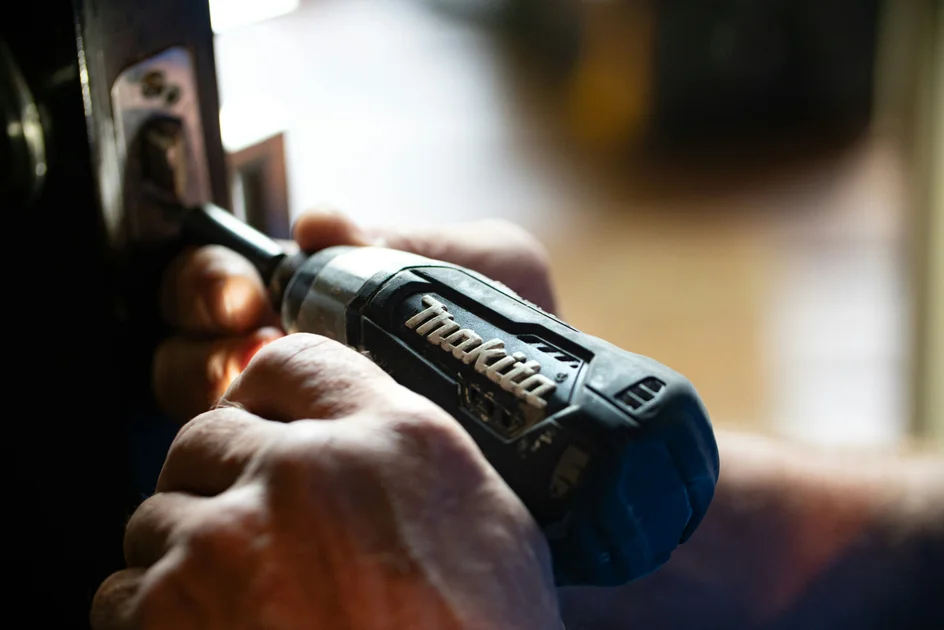
Gone are the days of stripping screw heads with worn screwdrivers or battling stubborn concrete with a sledgehammer alone. Advanced fastening tools like impact drivers deliver rotational force and percussive blows, driving screws into dense materials with ease and preventing cam-out. Understanding the appropriate torque settings and bit types for different fasteners and materials is paramount to avoid over-tightening or damaging your workpiece. These tools are indispensable for decking projects, framing, and any task requiring significant fastening power without the bulk of a traditional drill.
For demolition, a rotary hammer isn’t merely a powerful drill; it’s a beast designed to chip away concrete, brick, and mortar with surprising speed and control. Unlike a hammer drill, which uses a less aggressive hammering action, the rotary hammer’s electro-pneumatic mechanism delivers much stronger impacts. Proper technique involves letting the tool do the work, using appropriate chisel bits, and understanding material resistance to prevent kickback or tool damage. For heavier tasks, knowing when to rent specialized equipment, such as an electric jackhammer, rather than pushing your rotary hammer beyond its intended limits, is a mark of a true home repair expert.
Mastering Diagnostics and Inspection
The unseen problems often cause the biggest headaches in home repair. Advanced diagnostic tools allow homeowners to pinpoint issues before they escalate into major disasters, saving time, money, and frustration. A thermal imaging camera, for example, can quickly identify cold spots indicating insulation gaps, moisture intrusion behind walls, or even overloaded electrical circuits that are overheating. Learning to interpret the thermal patterns requires practice, but the ability to visualize temperature differences provides invaluable insights into your home’s energy efficiency and structural integrity.
Another game-changer is the borescope or inspection camera, which allows you to peer into tight, inaccessible spaces like inside walls, drains, or ductwork without destructive exploratory work. These devices come with flexible cables and often feature LED lighting, providing clear visuals of blockages, leaks, or pest infestations. Understanding how to maneuver the probe effectively and recognize common issues visible through its lens empowers you to accurately diagnose problems, whether you’re dealing with a clogged pipe or checking for rodent activity in a crawl space, making your repair efforts far more targeted and effective.
Specialized Plumbing and Electrical Solutions
Tackling plumbing and electrical tasks safely and effectively requires not just skill but the right specialized tools designed for these critical home systems. For modern plumbing, a PEX crimping tool is essential for joining PEX tubing, offering a reliable, leak-proof connection that surpasses traditional copper soldering in ease and speed. Understanding the correct crimp ring size and ensuring a complete crimp is vital for long-term integrity. Similarly, pipe cutters designed for specific materials—copper, PVC, PEX—ensure clean, burr-free cuts, which are fundamental for secure joints and preventing future leaks.
The Art of Electrical Circuit Tracing
When it comes to electrical work, a circuit tracer is an advanced tool that transforms the daunting task of identifying which breaker controls which outlet or fixture into a straightforward process. This device consists of a transmitter that plugs into an outlet and a receiver that scans the breaker panel, audibly or visually indicating the correct breaker. Mastering its use means avoiding guesswork and ensuring you always shut off the correct power source before beginning any electrical repair, a critical safety standard recommended by organizations like the National Fire Protection Association (NFPA) for electrical safety, especially crucial in homes built before 2000.
Prioritizing Safety and Ergonomics in Advanced Tool Use
With greater power and precision comes an increased responsibility for safety and proper ergonomic practices. Advanced tools, by their very nature, carry higher risks if misused. Always adhering to manufacturer guidelines, wearing appropriate personal protective equipment (PPE)—safety glasses, hearing protection, gloves, and often respirators—is non-negotiable. For instance, when using a rotary hammer, the vibration can be significant, making anti-vibration gloves a smart investment to prevent cumulative trauma disorders. Understanding the specific hazards of each tool, from kickback potential to dust inhalation, forms the bedrock of responsible usage.
Beyond immediate safety, considering ergonomics ensures long-term comfort and prevents injury. Many advanced tools are designed with features like anti-vibration handles, balanced weight distribution, and comfortable grips to reduce user fatigue. However, it’s up to the user to maintain proper posture, take regular breaks, and avoid overextending or straining. Familiarize yourself with best practices for tool handling, such as those provided by the Occupational Safety and Health Administration (OSHA), to ensure that your advanced home repair projects in 2026 are not only successful but also safe and sustainable for your body.
Key Takeaways
- Master Tool-Specific Techniques: Advanced tools require specific operating procedures; investing time to learn these nuances ensures efficiency, safety, and professional-grade results, far beyond basic point-and-shoot operation.
- Prioritize Safety Above All Else: The increased power and specialized functions of advanced tools necessitate rigorous adherence to safety protocols, including comprehensive PPE and understanding tool-specific hazards like kickback or dust.
- Embrace Diagnostic Capabilities: Tools like thermal cameras and borescopes offer invaluable insights into hidden problems, allowing for precise identification and targeted repairs that prevent larger, more expensive issues down the line.
- Invest in Quality and Maintenance: High-quality advanced tools are an investment. Proper care, regular maintenance, and using them within their intended applications extend their lifespan and ensure reliable performance for years to come.
Frequently Asked Questions
Are expensive advanced tools always better for home repair?
Not necessarily. While higher-priced tools often offer superior build quality, features, and durability, the “best” tool for you depends on your specific needs, frequency of use, and budget. For occasional use, a mid-range model might be perfectly adequate. The key is matching the tool’s capabilities to your project requirements, rather than simply opting for the most expensive option.
How can I learn to use complex advanced home repair tools safely and effectively?
Learning comes from a combination of resources. Start with the manufacturer’s manual, which often contains crucial safety warnings and operational guides. Online tutorials, reputable DIY websites, and even community workshops can provide practical demonstrations and hands-on experience. Always begin with small, non-critical projects to build confidence and proficiency before tackling major repairs.
What’s the most overlooked advanced home repair tool for the average homeowner?
Many experienced DIYers would argue that a quality digital multimeter or a non-contact voltage tester is often overlooked. These tools are crucial for safely diagnosing electrical issues, from checking outlets to testing appliance components. They provide essential information that prevents electrical hazards and helps pinpoint problems quickly without guesswork.
How often should I perform maintenance on my advanced power tools?
Maintenance frequency depends on the tool and its usage. Generally, after each significant use, tools should be cleaned of dust and debris. Regularly check cords, blades, and bits for wear or damage. Consult your tool’s manual for specific lubrication schedules or component replacement recommendations. Proactive maintenance ensures longevity and consistent performance, especially for tools you plan to use well into 2026.
Conclusion
Mastering advanced home repair tools usage standards and applications isn’t merely about acquiring new gadgets; it’s about evolving your approach to home maintenance. By understanding the capabilities and limitations of these sophisticated instruments, prioritizing safety, and committing to continuous learning, you transform yourself from a casual DIYer into a confident, capable expert. This mastery empowers you to tackle complex projects with precision and efficiency, ensuring your home remains a well-maintained, safe, and comfortable sanctuary for years to come.